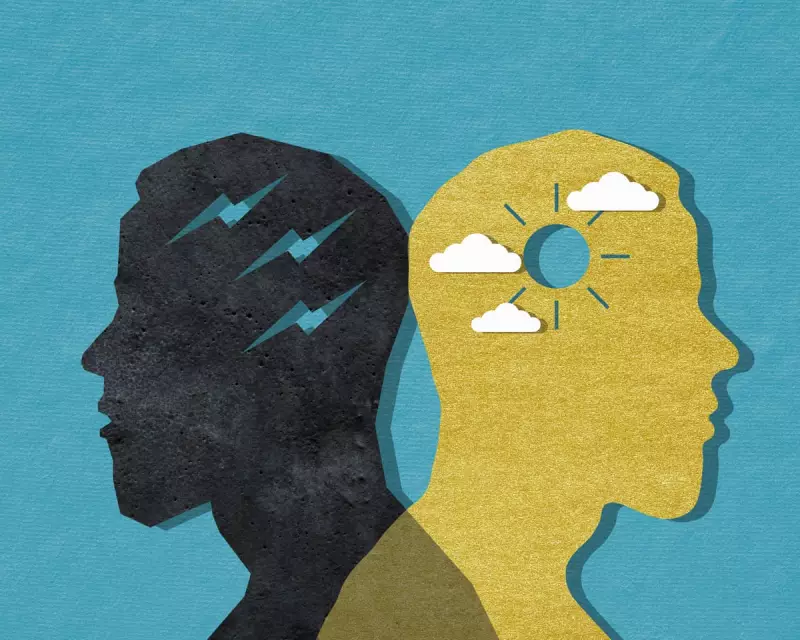
In therapy practices across Australia, a concerning pattern is emerging that signals a growing mental health crisis. Psychotherapists report seeing increasing numbers of patients who are turning to alcohol as their primary method for managing anxiety.
The Hidden Epidemic Behind Polished Facades
Take Mia, a 35-year-old professional who appears composed during her sessions. Her therapist observes the subtle tension in her shoulders that reveals the truth behind her polished exterior. Mia describes her evening ritual: what begins as "just one glass of wine" to unwind frequently escalates to three glasses as she attempts to silence the racing thoughts that emerge when her day slows down.
This pattern reflects a broader trend observed by mental health professionals. Recent research indicates that 34.9% of Australian adults who drink alcohol do so specifically to relieve stress, while 18.5% explicitly use it to manage anxiety.
Global Distress and the Search for Relief
We are living in an era psychologists term 'global distress exposure'. Never before have people been so consistently reminded of crises, conflicts and instability. Even when screens are turned off, worries persist about financial pressures, job insecurity, climate concerns and the emotional exhaustion that comes with feeling powerless.
For many, that evening drink becomes a quiet escape route. Yet while alcohol might provide temporary relief, it ultimately worsens anxiety over time. It disrupts sleep patterns, increases physiological stress and diminishes emotional resilience. Studies confirm that people experiencing anxiety are significantly more likely to drink at hazardous levels, creating a vicious cycle where anxiety fuels drinking and drinking subsequently fuels more anxiety.
Recognising the Warning Signs
Left unaddressed, anxiety can damage relationships, impair sleep quality and lead to harmful coping behaviours including substance use or compulsive digital habits. Early recognition is crucial.
Online anxiety self-assessments offer a valuable starting point for people to evaluate how their worries might be affecting their wellbeing. These tools don't provide diagnoses but create a reflective space to check in with oneself, understand what's happening beneath the surface and consider whether additional support might be beneficial.
The reality is we cannot switch off the world's problems. However, we can learn to listen to what our minds and bodies communicate when the noise becomes overwhelming. Anxiety serves as a signal that something within needs attention. Understanding this signal represents the first step toward finding relief.
In our constantly updating world, perhaps the most radical act of self-preservation involves pausing, breathing and taking stock of our mental state. If the world feels overwhelming, don't face it alone—seek support, talk to someone or take that initial step of self-assessment. Sometimes, that simple pause can mark the beginning of feeling secure again.