Germanwings Crash: Pilot's 'Hopefully, We'll See' Chilling Final Words Revealed
Germanwings Crash: Pilot's Chilling Final Words Before Disaster

On a clear morning in March 2015, a routine flight from Barcelona to Düsseldorf ended in one of aviation's most deliberate and horrifying tragedies. Germanwings Flight 9525, an Airbus A320, was deliberately flown into a mountainside in the French Alps by its 27-year-old co-pilot, Andreas Lubitz. All 144 passengers and six crew members were killed.

The Fateful Sequence in the Cockpit

The catastrophic chain of events was set in motion when the aircraft's 34-year-old captain, Patrick Sondenheimer, left the cockpit to use the toilet. This was his second such break during the 90-minute flight. As he prepared to leave, he instructed Lubitz to begin preparing for the descent briefing. Lubitz's reply, in retrospect, was deeply ominous: "Hopefully, we'll see."

As soon as the captain exited, Lubitz activated the cockpit door's deadlock, a security feature significantly strengthened after the 9/11 attacks. He was now alone and in sole control of the aircraft. Swedish commercial airline captain and aviation analyst Petter Hörnfeldt, who runs the Mentor Pilot YouTube channel, describes this as "the worst story I've ever told."

A Premeditated Act of Despair

Investigations later revealed that Lubitz had been struggling with serious mental health issues, primarily triggered by a debilitating fear that his eyesight was failing—a condition that would end his flying career. A search of his apartment uncovered several torn-up sick notes, including one for the very day of the flight, indicating he had been declared unfit to work.

His internet history showed he had researched the locking mechanism of the Airbus A320's reinforced cockpit door in the days before the disaster. "For this man to start planning a mass murder suicide shows that something darker was in play here," Petter Hörnfeldt suggests. "Maybe he was angry at his employer or the state for some reason. Or maybe he just wanted his name to be remembered. We will never know."

The Final, Desperate Minutes

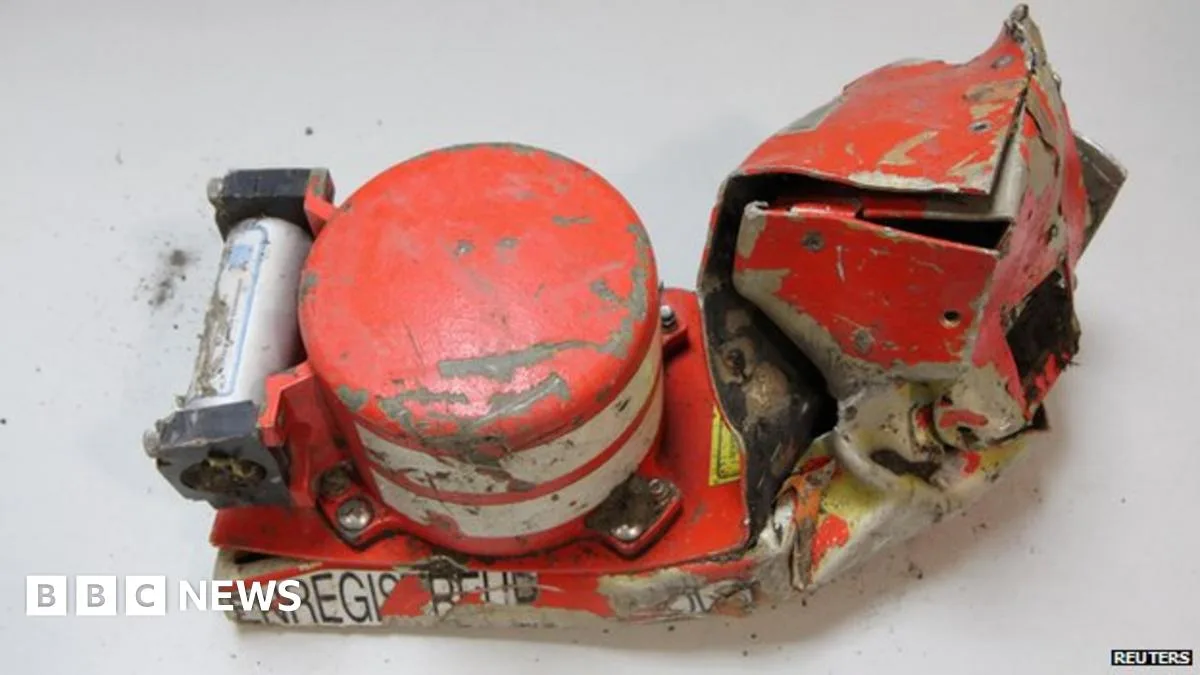
With the door locked, Captain Sondenheimer returned to find himself shut out. On the cockpit voice recorder, he can be heard bashing on the door with increasing urgency, eventually shouting, "For the love of God, open this door." His attempts to break in with a heavy object were futile.

Meanwhile, Lubitz had used the autopilot to initiate a rapid descent. Air traffic controllers, realising something was terribly wrong, scrambled a French Mirage fighter jet from Orange-Caritat Air Base, but it was too late. The aircraft's emergency warning system blared "terrain, terrain, pull up, pull up," but Lubitz ignored it.

At approximately 9:41 am, Germanwings Flight 9525 slammed into a cliff face at about 5,000 feet. The impact was so violent that the French Interior Minister, Bernard Cazeneuve, said there was "little hope" of finding survivors. The cockpit voice recorder, the full audio of which has never been officially released, captured the screams of the passengers in their final moments.

The Germanwings disaster led to immediate global changes in aviation safety protocol, most notably the mandatory rule that two authorised personnel must be present in the cockpit at all times during flight. It remains a stark and tragic case study of the critical intersection between mental health, security procedures, and human vulnerability.