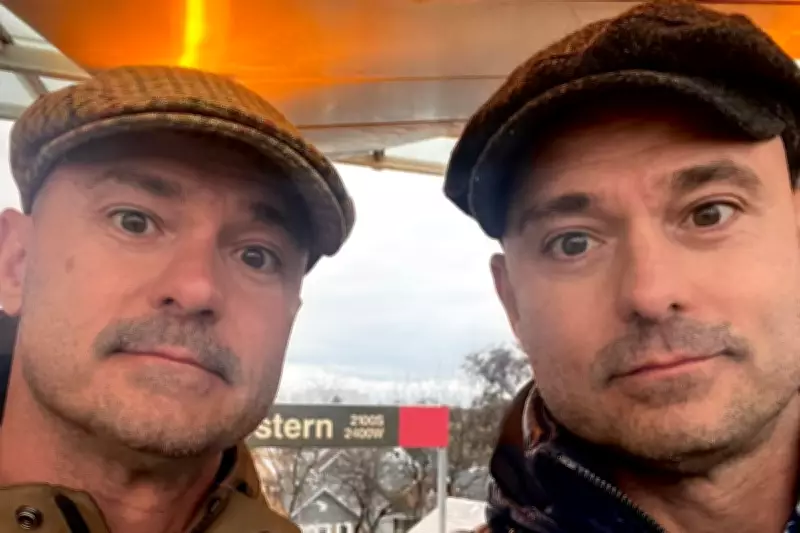
Navigating Life as a Lone Twin: The Profound Loss and Journey After Losing an Identical Sibling
For Scott Hinkle, the world was irrevocably changed two years ago when his identical twin brother, Brian, affectionately known as Bob, passed away suddenly at the age of 46. This event left Scott not only grappling with intense grief but also learning to navigate existence as what he now identifies as a "lone twin." This phrase, he explains, perfectly encapsulates both his new reality and the profound sense of absence that defines it. A core part of himself is missing, and that void is the source of a deep, pervasive loneliness.
The Extraordinary Bond of Twinhood
Being a twin is an extraordinary experience, and conversely, so is losing one. Scott and Bob, as identical twins, shared a connection that was foundational to their identities. For the first two decades of their lives, they rarely used the word "I," almost always referring to themselves as "we." This bond wasn't about constant physical proximity but an inherent, unshakeable connection that provided a shared feeling of comfort, uniqueness, and completeness. As adults, living apart—Bob in Chicago and Scott in the UK and elsewhere—they grew even more conscious of how central their twinhood was to who they were.
Scott is quick to note that their relationship wasn't without its tensions and frustrations throughout adulthood. He avoids portraying them as a unified "being of happiness," emphasising that this reflection is about how being a twin felt to him then and how he understands it now in retrospect.

Layers of Identity and Shared Experience
Their twinhood was layered with further uniqueness. While Scott is straight, Bob was gay and unapologetically himself, being the first openly gay person from their small hometown in rural Nebraska. This contrast became a vital part of their relationship, exposing Scott to Bob's deep respect for the history, challenges, and resilience of the gay community. Being the identical twin of a proud gay man shaped Scott in lasting ways, helping him find his own path through living in multiple countries, working in war zones, and developing a broader, more empathetic worldview.
The Sudden Dismantling of a World
The shock of loss was immediate and absolute. Bob, a healthy personal trainer in phenomenal shape, died unexpectedly after drinking too much vodka while on vacation in Florida. In an instant, Scott's world was dismantled. He was plunged into a level of fear and pain he had never known, experiencing anxiety and panic attacks for the first time. The initial month remains a blur, a period of brutal, second-by-second existence that gradually shifted into a phase of grief focused on the loss of a shared future and his own identity.
Scott hadn't just lost Bob; he had lost a part of himself. Their retirement plan, centred on a Chicago property they called "Twincation," vanished. The hardest part was grappling with the loss of everything Bob still wanted to do. For a time, Scott also lost his capacity for joy and even the hope of ever finding it again. He describes the feeling as akin to the earth without the moon—a natural orbit suddenly gone, leaving him unanchored and adrift.
The Turbulent Path of Grief and Anger
The grief was accompanied by vast anger: anger at Bob, at life's unfairness, at the way things unfolded, at behaviours unchange, and at himself for not doing more. During that first year, Scott admits he wasn't easy to be around; he acted out, was selfish, and, in his own words, was sometimes "a bit of an asshole." This period was compounded by broader loss, as within six years, his partner Jenny lost two close friends and her sister, all under 50, creating a shared landscape of grief they have navigated together.
Shaping a New Normal Grounded in Resilience
Now, Scott is actively shaping his "new normal." It involves connecting with his brother's joy and life-force, learning to look back with love rather than being overwhelmed by grief. This isn't an easy task, and he can't always achieve it. However, he is guided by Bob's compassion and commitment to joy. Scott doesn't just want to remember these qualities; he wants to live them, allowing Bob's way of moving through the world—open, curious, and fully himself—to steer him toward deeper connections and a life that feels full once more.

This journey of twin loss and identity is explored in the new film Twinless, which follows two men who meet through a twin bereavement support group—a community Scott is part of. The film prompted him to finally articulate his own experience, a testament to the ongoing process of understanding and healing after such a profound loss.