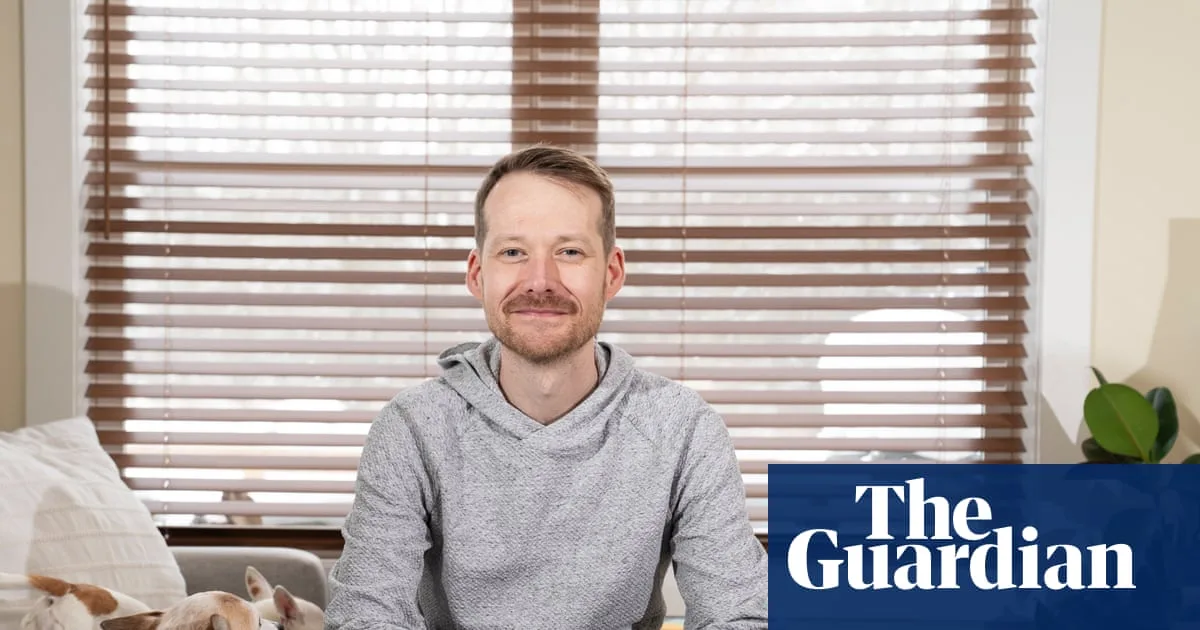
The number of people suffering from 'longevity fixation syndrome' – an unofficial diagnosis describing an anxiety-driven obsession with living as long as possible – has risen by 200 cases in the past year, according to a Swiss rehab clinic. The term was coined by Jan Gerber, CEO of Paracelsus Recovery in Zurich, who said he has seen a 'significant' increase in patients exhibiting compulsive behaviours around diet, exercise and biomarker tracking.
Sufferers often spend thousands of pounds on biohacks, including IV vitamin drips, oxygen therapy and frequent blood tests, in a bid to extend their lifespan. Jason Wood, 40, from Michigan, said he spent about $10,000 on such treatments, and would exercise twice daily while monitoring his heart rate, blood pressure, glucose levels and sleep. 'I was living by those numbers,' he said. His fixation led to a breakdown after a restaurant served pitta bread instead of crudites.
Wood, who lost both parents to cancer, said his behaviour was driven by a fear of death. 'There was just this fixation with living for as long as I possibly could,' he said. 'This talk around longevity plays right into insecurities and fears.' Gerber noted that the syndrome shares similarities with orthorexia, an eating disorder focused on 'clean' eating.

Therapists in the US, Europe and the UK report that such symptoms are a growing problem across all societal strata. While the term has raised eyebrows, with critics questioning the labelling of a new disorder, the underlying issue appears genuine. Paracelsus Recovery charges over £88,000 a week for a four-week residential programme, but experts say the problem is not confined to the wealthy.