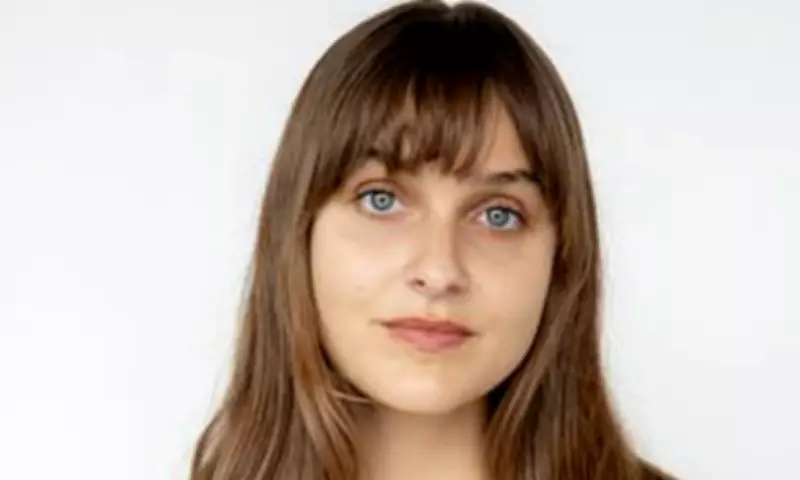
In a harrowing incident at Stansted Airport, Rosie van Amerongen experienced a terrifying psychotic episode that would ultimately lead to her diagnosis with bipolar disorder. The 29-year-old former model found herself frantically clambering through the baggage drop area, convinced that the Devil was pursuing her, when in reality she was experiencing severe hallucinations and delusions.
A Life-Changing Crisis Point
Ms van Amerongen recalls: 'I went into full psychosis at Stansted Airport and jumped through baggage drop off and got arrested. At that point, my hallucinations were so loud. I was hearing voices that were telling me that Satan was coming.' This dramatic episode resulted in her being detained by police, sectioned under the Mental Health Act, and admitted to hospital for her own safety.
Until this crisis point, she had no indication that she suffered from bipolar disorder, a condition affecting approximately 1 in 50 people in the UK according to Bipolar UK estimates. The disorder causes unusual and often sudden changes in mood, energy levels, and activity patterns.

Early Warning Signs
Looking back on her childhood in Stroud, Ms van Amerongen recognises early indicators that she was different from her peers. She was frequently described as 'reactive' and 'sensitive', particularly during emotionally challenging situations.
'One of the earliest signs was when I was 15 I had a friend who developed anorexia, and I got more upset by the situation than she did,' she explains. 'I ended up having to take some time off school because I was so anxious about seeing her deteriorate. The word sensitive started being attached to me. Everyone was like "oh Rosie's so sensitive", and when a family member became unwell I couldn't handle it and I kept having breakdowns.'
The Spiral into Mental Health Crisis
Working as a model at age 21, Ms van Amerongen experienced intensifying highs and lows that triggered a downward spiral. 'I was in a really loving relationship, and overnight something just flipped in my head,' she remembers. 'For eight months, I was navigating the worst anxiety and depression I had ever experienced which meant I had to stop working and was constantly calling ambulances and having panic attacks.'
Her experience with SSRIs (selective serotonin reuptake inhibitors) proved particularly challenging: 'I was put on SSRIs and it felt like being on cocaine. I couldn't sleep or concentrate and my heart felt like it was beating at a million miles an hour all the time. I lost faith that I would ever feel normal again.'
From Depression to Hypomania
Following the end of her relationship during a severe depressive episode, Ms van Amerongen experienced what she initially believed was recovery but later recognised as hypomania. 'My thoughts suddenly became so positive and grateful that I'd overcome this illness and my language became very spiritual. Then it flipped into delusion,' she shares.
'I started thinking I was a reincarnation of a sibling who had died and was manically posting on Instagram saying that I'd been sent by God.' This escalation into psychosis, where a person loses touch with reality through hallucinations and delusions, ultimately led to her airport crisis and subsequent hospitalisation.
The Diagnosis and Recovery Journey
After being sectioned and receiving her bipolar diagnosis, Ms van Amerongen faced what she describes as 'the worst time of my life'. 'Initially it was excitement and this feeling of relief that I hadn't been mad my whole life and that something was different, but then came seven months of crippling depression and suicidal thoughts,' she reveals.
The stigma surrounding mental health conditions became immediately apparent: 'That first month out of hospital, everyone started to speak to me in a hushed voice, there was so much shame around it. I was also met with a lot of silence, people just didn't want to talk about it and that just embedded this feeling that I had done something wrong.'

Breakthroughs in Management
Finding the right medication proved transformative for Ms van Amerongen. 'My medication – anti-psychotics, which have mood stabilisers in – was the biggest breakthrough, because it gave me the energy to sleep properly, but to not over sleep,' she explains. 'I think sleep is number one for managing bipolar. If you're getting the right amount of hours, you're going to be feeling so much better.'
Equally important has been peer support through Bipolar UK, which connected her with other women living with bipolar in London. 'Having a community of girls in London of a similar age who also have bipolar has been a big turning point for me,' she says. 'It means that when I have a bad day, someone can actually understand what I'm going through, which is really incredible.'
Understanding Bipolar Disorder
Bipolar disorder is a brain condition characterised by unusual and often sudden changes in mood and energy levels. Those affected experience periods ranging from extreme elation and energy (manic episodes) to profound sadness and lack of energy (depressive episodes).
According to the International Bipolar Foundation, rapid cycling diagnosis occurs when someone experiences four or more manic, hypomanic, or depressive episodes within any 12-month period, affecting approximately 10 to 20 percent of people with bipolar disorder.
The Exhaustion of Masking
Reflecting on her younger years, Ms van Amerongen recognises how she concealed her struggles: 'When I look back at that time, in videos I seem super happy in the way I presented myself, but I knew that I was masking from quite a young age. I was someone who would hate for anyone in the world to know how depressed I was, except from my mum.'
She describes this masking process as physically and mentally draining: 'Masking is just like acting. I just didn't feel like I could ever show that I was depressed or high. The energy it takes to mask it is so exhausting that you just burn out a lot.'
Advocacy and Reducing Stigma
Now serving as a Bipolar UK ambassador, Ms van Amerongen hopes her story will help others feel less alone and address common misconceptions. A recent survey by Bipolar UK found that 85 percent of respondents believed stigma had negatively impacted their self-perception and confidence in their abilities.
'I want people to know that anyone can have bipolar. It can affect kind people, shy people, women, men – it doesn't discriminate,' she emphasises. 'I think women are often scared to admit to having bipolar, because they might be speaking at 100 miles an hour, experience crippling depression and experience highs where everyone finds you quite intense.'
'I'm so at peace with that now, but I want young women to know that it's totally normal and it's not something to be embarrassed by. You don't have to manage this alone.' Through sharing her experiences, Ms van Amerongen aims to foster greater understanding and support for those living with bipolar disorder across the UK.