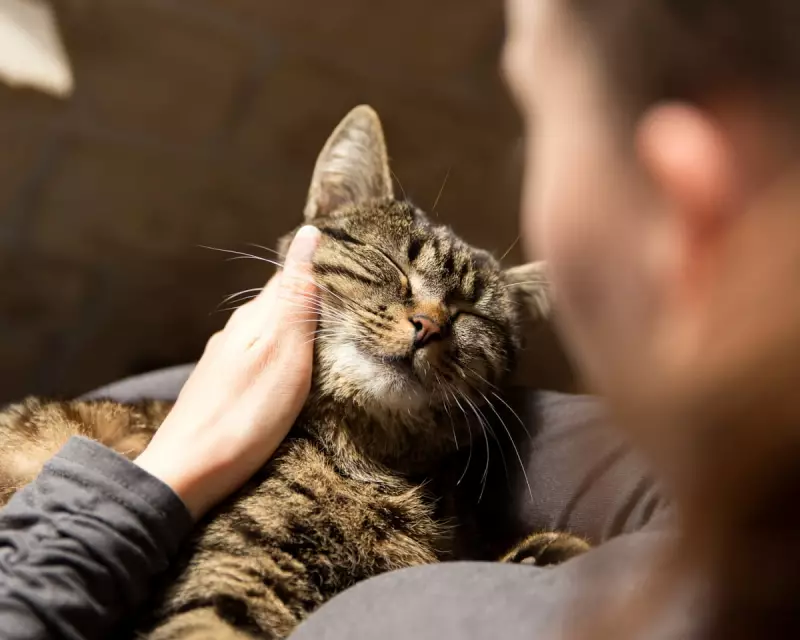
The profound sorrow experienced after the death of a beloved pet can be as intense and long-lasting as the grief felt for a human family member, according to a significant new study from the UK. The research provides compelling evidence that the bond people share with their animal companions can lead to a clinically significant condition known as Prolonged Grief Disorder (PGD).
Survey Reveals Scale of Clinically Significant Pet Grief
A survey of 975 adults across the United Kingdom, published in the respected academic journal PLOS One, has uncovered striking data about the psychological impact of losing a pet. The study found that 7.5% of people who had lost a pet met the full diagnostic criteria for Prolonged Grief Disorder.
This figure is remarkably close to the proportion of people who develop PGD after the death of a close friend. It trails only slightly behind rates observed following the loss of a grandparent (8.3%), a sibling (8.9%), or even a partner (9.1%). Significantly higher rates were recorded only for the loss of a parent (11.2%) or a child (21.3%).

A Disorder in Need of Recognition
Prolonged Grief Disorder is a recognised mental health condition triggered by bereavement. It persists for many months or even years, and its symptoms can be debilitating. They often include an intense, persistent longing for the deceased, profound despair, significant difficulties with social functioning and daily tasks, and a feeling that a part of oneself has died.
Currently, diagnostic guidelines only permit a PGD diagnosis following the death of a person. The study's lead author, Professor Philip Hyland of Maynooth University in Ireland, argues this must change. He states the research presents "consistent and compelling evidence" that grief for a pet is equally legitimate.
"The decision to exclude pet loss from the bereavement criterion for PGD can be viewed as not only scientifically misguided but also as callous," Hyland said. He pointed out that the symptoms of severe grief for a pet were identical to those for a human, with no difference in how people experienced the loss.
Breaking the Stigma of Pet Bereavement
The study also highlighted a troubling social stigma. Despite approximately one in five people who had experienced both a pet and a human loss stating that the pet loss was worse, many feel shame, embarrassment, and isolation when expressing this grief publicly. Society often expects humans to be prioritised over animals, leaving bereaved pet owners to suffer in silence.
Given that around half of UK adults own pets and that animals' lifespans are considerably shorter, the study estimates that one in every twelve cases of PGD in the country is caused by the death of a pet. This underscores the scale of an often-overlooked public health issue.
Professor Hyland concluded that if the findings are replicated, it would mean an individual "can satisfy all symptom and impairment requirements for PGD yet be ineligible for diagnosis solely because the deceased was not a member of the homo sapiens species." He contends that from both psychological and evolutionary perspectives, this position is extraordinarily difficult to defend, strengthening the call for official diagnostic guidelines to be expanded.