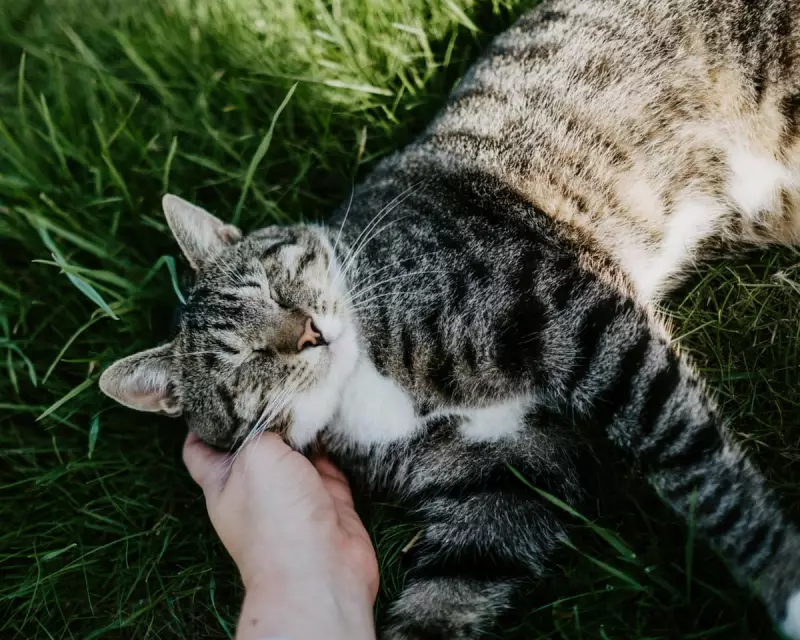
Losing a beloved animal companion can cause a form of chronic grief as intense as mourning a human family member, according to new academic research.
The study, published in the journal PLOS One, indicates that bereaved pet owners are susceptible to prolonged grief disorder (PGD). This is a recognised mental health condition characterised by intense longing, despair, and difficulties with social functioning and daily life, which can persist for months or even years. Currently, formal diagnosis is only applicable to those grieving the loss of a person.
Personal Stories of Profound Loss
Three pet owners have shared their deeply personal experiences, illustrating the unique and lasting bond that can make such a loss so devastating.

‘We haven’t finished grieving really’
Chris Mason and his wife Mireill, originally from Worcester and now living in Carpentras, France, never considered themselves pet people due to their nomadic lifestyle. This changed in 2017 when they befriended Julot, a senior ginger cat whose owner had moved to a nursing home.
"He became our little bundle of fun," said Chris. "Well, not 'fun'… He was set in his ways – fussy and miserable. But he slowly became affectionate, in his way." Born in 2004, Julot was deaf and blind by 2022 but navigated life through scent. The couple cherished their routines, with Chris telling the cat he was "in charge" whenever they left the house.
Tragically, after a trip to the UK in April 2024, they returned to find Julot lifeless on their terrace. "It was something sad beyond words, that he died alone. We wept for I don’t know how long afterwards. More even than for family deaths," Chris confessed.
The couple buried him in their garden and still feel his absence keenly. They have placed a cat sculpture in his favourite spot and, out of habit, still tell him he's in charge when they leave. "We haven’t finished grieving really, although it’s now more reminiscences than tears," Chris added.
‘I ache whenever I walk our sidewalks’
For Paul Kane, a 40-year-old web developer in Virginia, and his wife, the loss of their French bulldog Walter was shattering. They adopted him in the San Francisco Bay area in 2017, and he became integral to their family life, especially after they had children.
"Walter was one of a kind. He filled our daily life with laughter, love and joy," Paul said. The dog's sudden death at age eight in late summer, caused by a fast-moving cancerous growth around his heart, left the family reeling. He died in Paul's car on the way to the vet.
"It was – and still is – overwhelming to relive," Paul admitted. The family instinctively looks to the corner where his bed was, and Paul feels an ache during their old afternoon walk ritual. "We think at some point we’ll be ready for another pet, but it will never replace him. The space for Walter will always remain."
A Bond That Lasts Decades
Geraldine Blake, 75, from Worthing, West Sussex, proves that this grief can span a lifetime. In the late 1970s, while living in Tehran, she and her husband rescued a kitten named Womble from a drain.
Womble was an extraordinary cat who acted more like a dog, joining them on long walks. After the revolution, she was evacuated to the UK and spent six months in quarantine before reuniting with the couple. She would recognise their car engine and wait on the doorstep.
Her death in 1984 left Geraldine and her husband devastated. "We weren’t fortunate enough to have children, and I don’t believe that animals are a substitute… but I was very, very attached to Womble," Geraldine explained.
Over forty years later, her photo still takes pride of place. "Whenever I look at her photo on the mantlepiece, I smile and wish she could have lived for ever. I’d give anything just to see her again."

Recognising the Depth of Pet Bereavement
These poignant accounts underscore the findings of the PLOS One study, highlighting that the emotional impact of pet loss is profound and long-lasting for many people. The research suggests that the grief experienced can meet the clinical criteria for Prolonged Grief Disorder, challenging current diagnostic frameworks that exclude non-human relationships.
As society's view of pets continues to evolve towards seeing them as family members, this study adds weight to calls for greater recognition and support for those navigating the often-isolating journey of pet bereavement.