Could a device more commonly associated with tracking fitness be the key to diffusing childhood behavioural outbursts? Pioneering research from the Mayo Clinic suggests smartwatches, when used to monitor physiological signs, can give parents a crucial early warning of escalating distress, dramatically shortening the duration of severe tantrums.
The Early Warning System
The clinical trial, conducted in 2022, involved 50 children aged between three and seven years old, all of whom experienced significant behavioural challenges. Around half of the participants had a diagnosis of Attention Deficit Hyperactivity Disorder (ADHD) and were being treated with stimulant medication. Each child wore a Garmin smartwatch—popular in athletic circles—for a period of four months.
The watches were configured to track key metrics including heart rate, movement, and sleep patterns. Crucially, the system was set up to send an automatic alert to parents' smartphones when the data indicated the child was becoming increasingly stressed or agitated. This provided a tangible, data-driven warning before a full behavioural meltdown occurred.

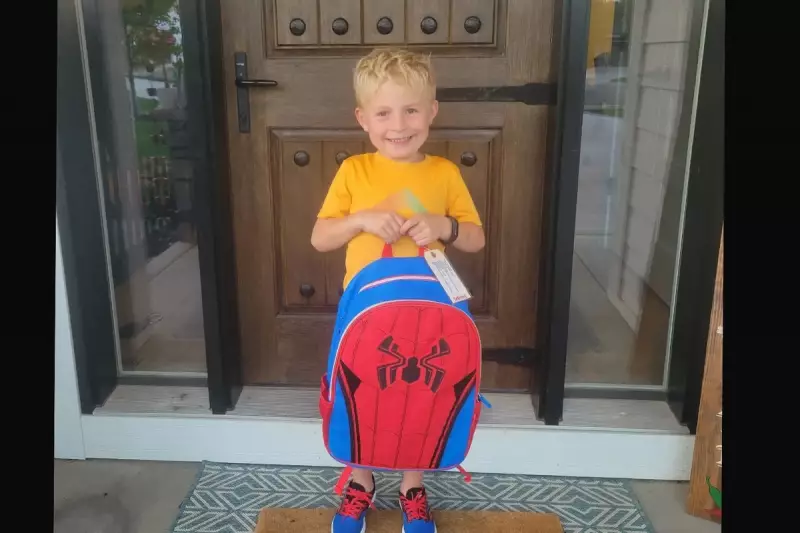
One participant, Ethan Staal, was five years old at the time of the trial. His parents, Sarah and Jared Staal from Minnesota, described how his ADHD medication would wear off in the late afternoon, often leading to overwhelming feelings and protracted tantrums. "It gave us a warning that something was coming," Sarah Staal explained. "We could help him recover in five to 10 minutes. And we could have our evenings again as a family."
A Tangible Impact on Family Life
The results of the study were striking. Researchers found that the children wore the watches approximately 75% of the time, indicating good compliance. When an alert was triggered, parents responded to these early signs of distress within an average of just four seconds.
Most significantly, the period during which the children wore the watches saw a substantial reduction in the length of severe behavioural episodes. Severe tantrums were shortened by an average of 11 minutes—a meaningful difference in the heat of a challenging moment for both child and caregiver.
For Ethan's father, Jared, the technology was transformative. "It was a game-changer," he said. "We still have challenges, but now we see them coming and we see them through a whole different lens—we didn't always know how to support him in those moments, and now we do." The trial demonstrated that such wearable tech could be a vital tool for families, especially when immediate professional support is not available.
The Broader Context of Child Behavioural Health
This innovative approach arrives against a backdrop of significant need. According to the U.S. Centers for Disease Control and Prevention (CDC), nearly one in five American children lives with a mental, behavioural, or emotional health disorder. ADHD is one of the most prevalent neurodevelopmental conditions in childhood, affecting an estimated seven million young people aged 3 to 17 in the U.S. alone.
Treatment has long relied on prescription medications like Adderall and Ritalin, with approximately 3.5 million children in that age group currently medicated. However, the landscape is evolving. Recent research from Washington University in St. Louis, involving nearly 6,000 children, suggests these stimulants may work differently than once thought, primarily affecting the brain's reward and wakefulness centres rather than areas governing attention.
The Mayo Clinic team, a world leader in personalised medicine, now aims to build on its promising pilot study. The next phase of research will focus on testing the effectiveness of smartwatch monitoring on larger groups of children and families. This work points to a future where data from everyday wearable technology could play a supportive role in managing complex behavioural and mental health conditions from an early age.