The Trump administration has sparked outrage and warnings of catastrophic consequences after it unexpectedly cancelled up to $1.9bn in funding for substance use and mental health care services across the United States.
Immediate Impact on Frontline Services
In a move described as "Armageddon" for addiction and mental health services, the administration sent letters on Tuesday evening immediately ending funding for as many as 2,800 grantees of the Substance Abuse and Mental Health Services Administration (Samhsa). This represents roughly 26% of the agency's entire budget.
Providers woke up to discover they would need to lay off staff and terminate programmes without warning. Ryan Hampton, founder of the advocacy group Mobilize Recovery, stated the scope of care disrupted is catastrophic, predicting that "tens of thousands, if not hundreds of thousands, of people will die."

The cuts affect a vast spectrum of critical services, including:
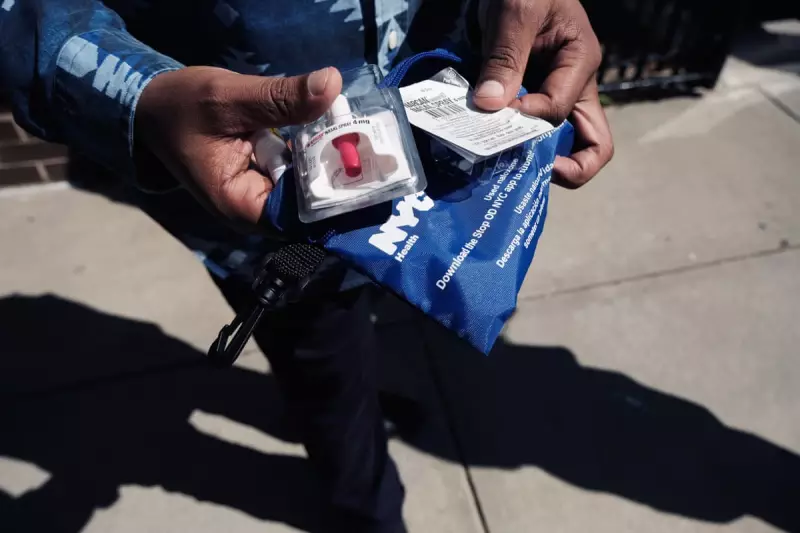
- Overdose-prevention work and naloxone distribution
- Mental health and substance use support in schools
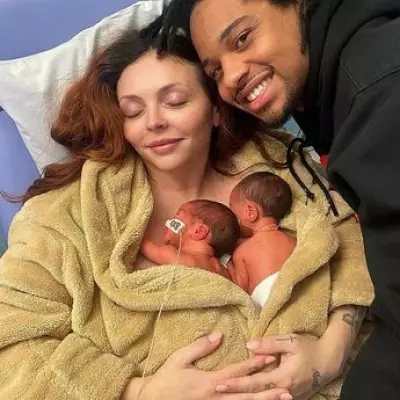
- Programmes for pregnant and postpartum women with substance use disorder
- Underage drinking prevention and recovery support schemes
Funding Pulled Without Consultation
According to sources familiar with the matter, staff at Samhsa itself were not consulted about the cuts or even informed they were happening. The funding had been appropriated by Congress, which does not appear to have been involved in the sudden cancellations.
In a letter to grantees obtained by the Guardian, Christopher Carroll, the deputy assistant secretary at Samhsa, stated the awards were terminated because they no longer aligned with the Trump administration's priorities, which include "innovative programs and interventions" to reduce mental illness, substance use, overdoses and suicide.
This justification was fiercely contested by experts. Yngvild Olsen, a former Samhsa director now at Manatt Health, said the cuts "came as a surprise" and could have an "unbelievably disruptive impact on people's access to services."
A Dangerous Reversal of Progress
The timing of the cuts is particularly alarming given recent public health progress. After soaring for two decades, the US overdose rate dropped by 27% in 2024. Hampton warned that the grants now being cancelled are "lifesaving tools" responsible for helping to reverse overdose trends.
Regina LaBelle, former acting director of the Biden White House office of national drug control policy, suggested the cuts appear politically motivated, occurring amid funding negotiations between Republicans and Democrats. "We didn't know that the administration would just basically use their regulatory authority to pull the plug," she said.
The cuts apply to nearly all of Samhsa's discretionary funds. A few programmes were spared, including state opioid response block grants, the certified community behavioural clinics programme, and the 988 suicide and crisis lifeline.
Advocates hope the move will be challenged in court, as similar health agency cutbacks have been successfully blocked before. However, Hampton stressed the immediate human cost: "The harm is happening in real time right now, and as this gets sorted out in the courts, people will die."