Government Launches £10 Million Annual Travel Fund for Young Cancer Patients
In a significant move to alleviate financial pressures on families facing childhood cancer, the government has announced a dedicated £10 million annual fund to cover travel expenses for treatment. This new scheme, which will be fully operational across England by 2027, promises to reimburse parking fees, train fares, and petrol costs for all patients under 25, regardless of family income.
Ending the Choice Between Treatment and Financial Stability
For years, families of young cancer patients have faced devastating financial burdens, with many spending an average of £250 per month simply travelling to hospital appointments. This substantial outlay has forced some households to cut back on essentials like food and heating to cover transport costs. With approximately 4,000 children and young people diagnosed with cancer annually in the UK—many requiring long journeys to one of 13 specialist centres—the financial strain has become an unacceptable additional challenge during already difficult times.
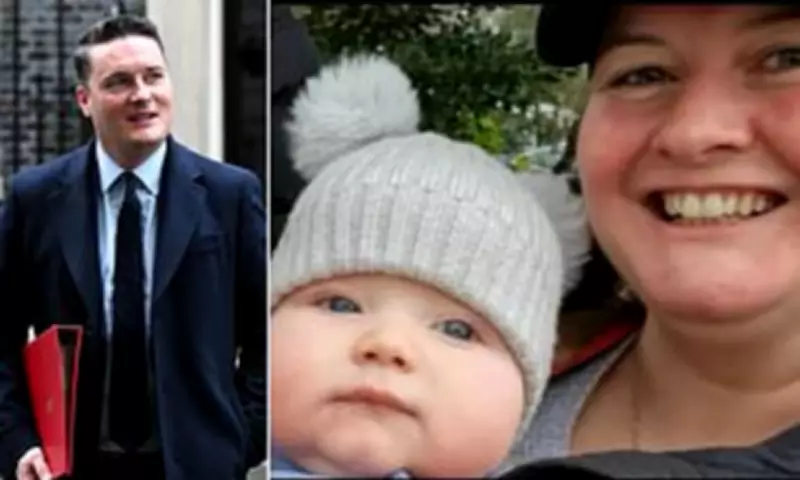
Health Secretary Wes Streeting emphasised the scheme's importance, stating: 'When a child is diagnosed with cancer, their family's only focus should be on helping them recover and getting them well, not on whether they can afford the petrol or bus fare to get to their next appointment. Our plan will leave no family out of pocket while their child goes through cancer. It doesn't matter what you earn if your child needs treatment, we will help you get them there. When a child is fighting cancer, their family should never have to fight the system too.'

Personal Stories Highlight the Urgent Need
The announcement follows years of campaigning by charities and heartbreaking testimonies from affected families. Emma Wilding experienced the financial strain firsthand when her five-month-old son Theo was diagnosed with Infant Acute Lymphoblastic Leukaemia in October 2024. With Alder Hey Children's Hospital located 45 minutes from their home, the family faced hundreds of pounds in petrol and parking costs.
'When Theo was going through treatment, we had no choice but to pay out for fuel and parking at the hospital, as we had to be by his side,' she explained. 'However, at a time when our household income had gone down, this was a struggle financially. Sat on the ward, I met so many other families also struggling with these costs, many travelling much further away from hospital as well.'
Victoria Ward's experience was even more extreme. Diagnosed with Lymphoma at 21 while living on the Isle of Wight, she faced ferry costs of £80 to £200 for return trips to Southampton General Hospital, plus taxi fares of £12-15 for the final leg during rush hour. The cumulative expense forced her to give up her flat—a devastating sacrifice after previously experiencing homelessness.
'The parking alone would cost us £20 to 23 a go,' Miss Ward recalled. 'As much as people say "it’s only £20", that £20 is my week’s food. It was a case of I either keep my own safe space or die. I was previously homeless a year or so before I started my cancer treatment, so my flat was my achievement, so it was sad giving that up but it had to be done.'
Charity Campaign Finally Bears Fruit
The charity Young Lives vs Cancer has been campaigning for nearly a decade for precisely this kind of support. Rachel Kirby-Rider, Chief Executive of the charity, welcomed the announcement as 'a huge step forward in transforming the lives of children and young people with cancer and their families.'
'Up until now, young people and families have been going into debt and even missing treatment because of the extra £250 every month just to travel to hospital,' she noted. 'We’re ready to work with the government to make this a success.'
Part of Broader National Cancer Strategy
This travel fund forms a key component of the government's wider National Cancer Plan, which also aims to enhance mental health support for patients during and after treatment. Professor Peter Johnson, National Clinical Director for Cancer at NHS England, highlighted how the fund addresses a critical gap in care.

'Children with cancer need the best specialist treatment and this can sometimes mean repeated long-distance travel, adding to the pressures families face during some of the most difficult times of their lives,' he said. 'This new fund will be available regardless of income so families avoid having to choose between being at their child’s bedside and covering the cost of travelling there. Together with earlier diagnosis, emotional support, genomic testing and better access to trials, this will help deliver the new National Cancer Plan’s goal of improving care for children and young people with cancer.'
The scheme represents a meaningful shift toward more compassionate healthcare support, ensuring that financial barriers no longer prevent families from accessing vital cancer treatment for their children.