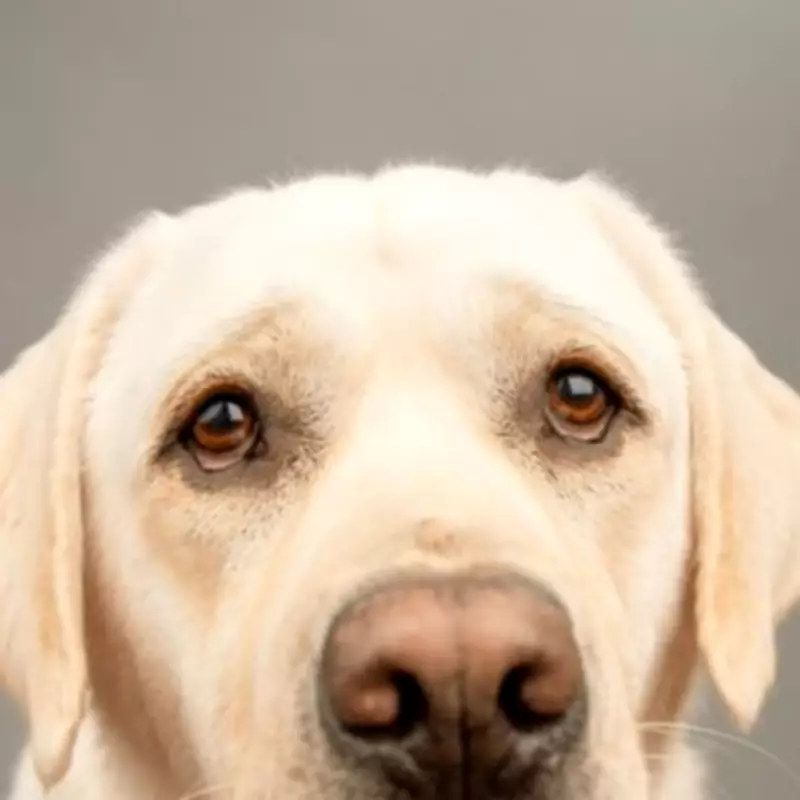
As the United Kingdom continues to battle plummeting temperatures alongside post-festive season financial pressures, it's not just humans grappling with the winter gloom. Our cherished canine companions frequently struggle too, displaying subtle indicators that mirror our own seasonal slump. With many dog owners noticing increased lethargy in their pets during the chillier months, one persistent question emerges: Can dogs experience something akin to Seasonal Affective Disorder?
Understanding Canine Winter Blues
To help lift the nation's pups from their winter funk, Carolanne Cicero, a Registered Veterinary Nurse and Bella+Duke's In-House Veterinary Advisor, has detailed how the harsh winter period affects our furry friends. "Strictly speaking, our canine companions don't suffer from clinical Seasonal Affective Disorder in the same way humans do," Carolanne explains. "However, if your pooch seems a bit 'off', you aren't imagining it. Experts widely agree that dogs experience a very real version of the 'winter blues', displaying behaviours that mirror the seasonal slump we feel ourselves."
Three Common Signs Your Dog Feels Low
Carolanne identifies three primary behavioural changes that could indicate your dog is experiencing winter depression:

- Sluggishness and lethargy: This includes unwillingness to exercise or snoozing far more than usual, even during times when your dog would typically be active and alert.
- Changes in eating habits: Owners might observe either diminished interest in meals or seemingly perpetual ravenousness, both representing significant departures from normal feeding patterns.
- Social withdrawal: Dogs may become reclusive, retreating from household activities or shunning their beloved playthings and favourite interactions with family members.
When to Seek Veterinary Attention
While the behaviours mentioned typically indicate low spirits in dogs, vet nurse Carolanne highlights three critical warning signs that require immediate veterinary consultation:
Signs of Pain: "Any stiffness or slowing down often indicates underlying issues like arthritis, which is aggravated by the cold rather than caused by seasonal sadness," Carolanne shares. These physical symptoms should never be dismissed as mere mood changes.
Anxious Tics: The expert explains that excessive paw licking or chewing represents a common sign of distress or skin irritation that requires professional attention, particularly during winter months when skin conditions can worsen.
The Two-Week Rule: "If any of these symptoms - lethargy, appetite changes or withdrawal - persist for more than two weeks, book an appointment with a vet to rule out any underlying illness," Carolanne advises. This timeframe helps distinguish temporary seasonal blues from more serious health concerns.
Five Proactive Strategies to Boost Canine Wellbeing
Beyond monitoring their mood, owners can proactively enhance their dog's mental wellbeing by following these five straightforward tips from vet nurse Carolanne:
Maximise Light Exposure
"Since a lack of sunlight is a primary driver of the 'winter blues', you can boost your dog's mood by opening curtains, moving their bed closer to a window, and timing walks to coincide with the brightest part of the day," she shares. "Light therapy lamps can be effective for some dogs, but always consult a vet before introducing them to ensure proper usage and safety."
Maintain Physical Activity
Carolanne continues: "Exercise remains a proven antidote to low mood, so it's essential to stick to walking routines even when the weather isn't ideal. Ensure your dog stays comfortable by using a coat or jumper for older or thin-furred breeds. Always prioritise safety by avoiding slippery surfaces and never leaving pets unattended in bitterly cold conditions."
Ward Off Boredom
"Boredom can look remarkably similar to depression in dogs," Carolanne notes. "When the weather is too severe for long walks, prevent it by engaging your dog's mind with puzzle toys, scent games, and by teaching new tricks. These activities provide crucial mental stimulation needed to ward off a seasonal slump."

Maintain Consistency
The vet nurse keeps this advice simple: "Dogs find immense comfort in predictability, and the sudden shift from festive chaos to January quiet can trigger anxiety. Maintaining consistent mealtimes, walks, and play sessions will help your dog feel secure and emotionally balanced during seasonal transitions."
Prioritise Warmth and Diet
"Help your dog keep warm by creating a 'cosy corner' with extra blankets in a draft-free spot," the expert advises. "While you should never give your pet Vitamin D supplements, as they can be toxic to dogs, adding Omega-3 fatty acids like fish oil can support their cognitive health. However, you should always consult your vet before altering their diet to ensure nutritional balance and safety."
Indoor Engagement Strategies for Severe Weather
When savage winter weather renders dog walks downright perilous or dramatically cuts outdoor time, ditching the usual stroll for mind-stimulating pursuits offers a brilliant way to drain your pet's batteries whilst meeting their craving for attention. The veterinary nurse has laid out straightforward tactics to keep your furry friends occupied during winter confinement:
- Ditch the Dish: Swap standard feeding for puzzle bowls or engaging toys that make your pooch work for their grub, transforming mealtime into mental exercise.
- Sniffing and Concentration Games: Harness their incredible nose through indoor treasure hunts or smell-based puzzles to boost mental sharpness and provide sensory enrichment.
- Energetic Fun & Training: Experiment with hallway-based fetch sessions or tug-of-war battles to release physical energy within safe indoor spaces.
- Get On Their Level: Instead of just tossing toys around, drop down to the floor for playtime. This close interaction becomes crucial for warding off the isolation that triggers seasonal blues.
- Learning Never Stops: Make use of indoor hours for introducing new tricks. Picking up fresh commands requires genuine brain power from your four-legged companion and strengthens your bond.
By recognising the signs of canine winter depression and implementing these expert strategies, dog owners can help their pets navigate the colder months with improved wellbeing and vitality, ensuring the bond between human and canine remains strong throughout the seasonal challenges.