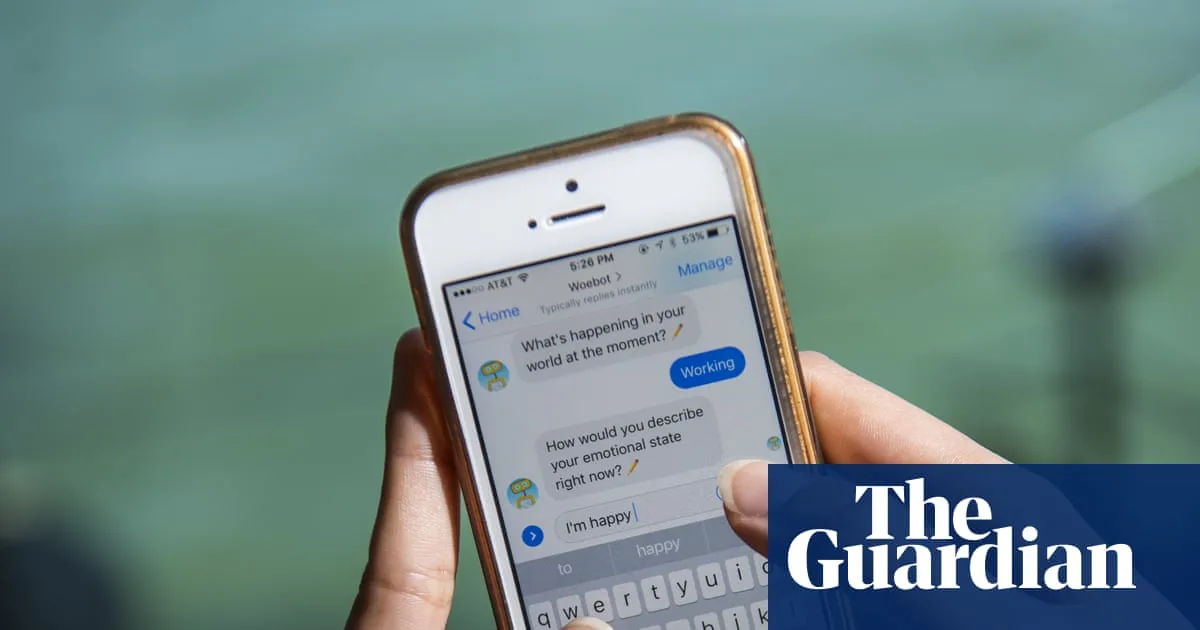
Psychotherapists and psychiatrists have raised concerns about the growing use of AI chatbots for mental health support, warning that vulnerable individuals may be 'sliding into a dangerous abyss'. They report seeing negative impacts such as emotional dependence, increased anxiety, self-diagnosis, and amplification of delusional thoughts or suicidal ideation.
Dr Lisa Morrison Coulthard, director of professional standards at the British Association for Counselling and Psychotherapy, said two-thirds of its members expressed concerns about AI therapy in a recent survey. She warned that without proper oversight, important elements of therapy could be lost, and vulnerable people could receive misleading or incorrect information with potentially dangerous consequences.
Dr Paul Bradley, a specialist adviser on informatics for the Royal College of Psychiatrists, emphasised that AI chatbots are not a substitute for professional mental healthcare. He called for appropriate safeguards and greater state funding to ensure access to talking therapy delivered by trained professionals, noting that current digital tools are not held to the same high standards as clinical care.

Evidence of harm is emerging. A preprint study in July reported that AI may amplify delusional or grandiose content in users vulnerable to psychosis. Hamilton Morrin, a co-author from King's College London, said chatbot use for mental health is 'incredibly common' and can undermine effective treatments by fostering emotional dependence and perpetuating cycles of distress.
Matt Hussey, a BACP-accredited psychotherapist, said clients sometimes bring chatbot transcripts to sessions, claiming the therapist is wrong. He noted that AI chatbots often reinforce users' beliefs without challenging faulty assumptions, potentially entrenching misunderstandings. Christopher Rolls, a UKCP-accredited psychotherapist, reported seeing 'negative experiences' including conversations that were 'inappropriate at best, dangerously alarming at worst'.
There are signs of response from companies and policymakers. OpenAI recently announced plans to change how ChatGPT responds to users in emotional distress after legal action from the family of a teenager who died by suicide. In August, Illinois became the first US state to ban AI chatbots from acting as standalone therapists.