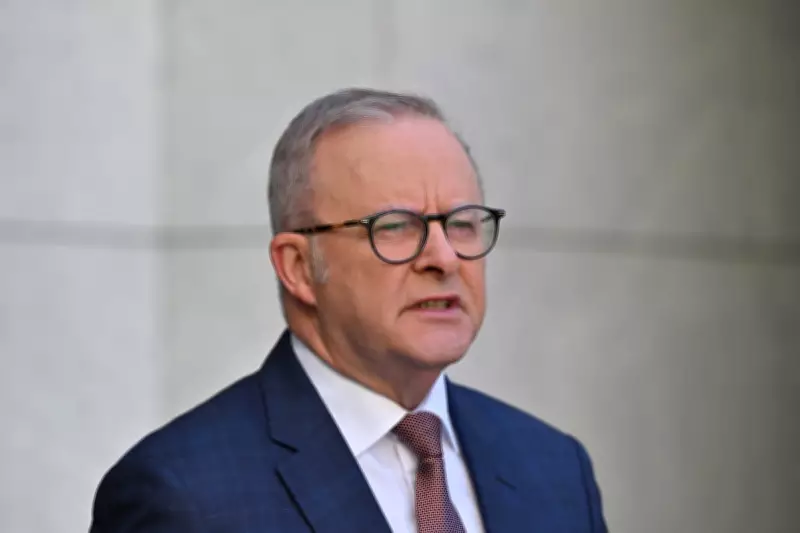
Prime Minister Anthony Albanese has successfully brokered a landmark $25 billion agreement with state and territory leaders, concluding protracted negotiations over hospital funding and implementing a crucial cap on the growth of the National Disability Insurance Scheme (NDIS). The deal, finalised during a national cabinet meeting in Sydney on Friday, represents a significant step towards stabilising Australia's public health and disability support systems.
A Historic Funding Injection for Public Hospitals
The centrepiece of the agreement is a massive financial commitment to the nation's public hospitals. The federal government will provide an additional $23 billion in funding as part of a long-term plan to increase its share of hospital costs. This initiative aims to raise the Commonwealth's contribution to 42.5% by the year 2030, with a further increase to 45% targeted for 2035.
An extra $2 billion in federal funds has been earmarked specifically to address hospital discharge delays for elderly patients awaiting aged care placements. Recent estimates indicate over 3,000 individuals are currently stuck in hospital wards, unable to transfer to more appropriate aged care facilities. This funding is designed to alleviate pressure on hospital beds and improve patient flow.

Furthermore, the national cabinet agreed to top-up payments for smaller states, which have been grappling with escalating health service costs. When combined with existing commitments, this brings the total projected public hospital spending over the next five years to a staggering $219 billion.
"World-Class Care" and the Biggest Funding Increase in Memory
Prime Minister Albanese hailed the reforms, stating they would ensure Australians maintain access to "world-class health care as well as disability supports." He emphasised that the deal "prioritises investment in our precious public health system, and builds on my government's commitment to strengthen Medicare."
Health Minister Mark Butler described the funding package as the most substantial increase in hospital financing "in anyone's memory." He acknowledged the perennial dynamic of Australian politics, noting, "Really, the truest truism of Australian politics is state premiers always want more from the Commonwealth, particularly for their hospitals."
Capping NDIS Growth and Launching the Thriving Kids Program
In a parallel move to ensure fiscal sustainability, leaders agreed to cap the annual growth of the NDIS at 6% or less. This decision forms part of broader efforts to manage the scheme's rapidly expanding budget. Recent figures from May 2025 revealed that children under 15 constitute 43% of the over 717,000 NDIS participants but account for only 13% of total payments. Participants with autism or other developmental delays as their primary disability make up half of all participants but just 23% of payments.
Key to this strategy is the new Thriving Kids program. Designed to provide foundational support services for children under eight with developmental delays and other low to moderate needs, the program will be delivered through schools, health clinics, and community facilities. Its implementation had been a point of contention.
Guardian Australia revealed this week that the federal government agreed to delay the program's start by three months, to October, aligning with requests from state premiers and chief ministers who argued they were not prepared to assume responsibility by the original 1 July deadline. Broader changes to NDIS access rules are scheduled to take effect from mid-2027.
Negotiation Sweeteners and a Delayed Timeline
The final agreement included several concessions to secure unanimous support. Alongside the budget adjustments for smaller states, the deal incorporates the delayed Thriving Kids rollout and the substantial hospital funding boost. The Labor government had initially aimed to finalise the agreement before Christmas, but these plans were disrupted by the emergency response required following the Bondi beach terror attack.
This comprehensive $25 billion health and disability package marks a pivotal moment in federal-state relations and public policy, aiming to deliver both immediate relief and long-term structural reform for Australia's critical support systems.