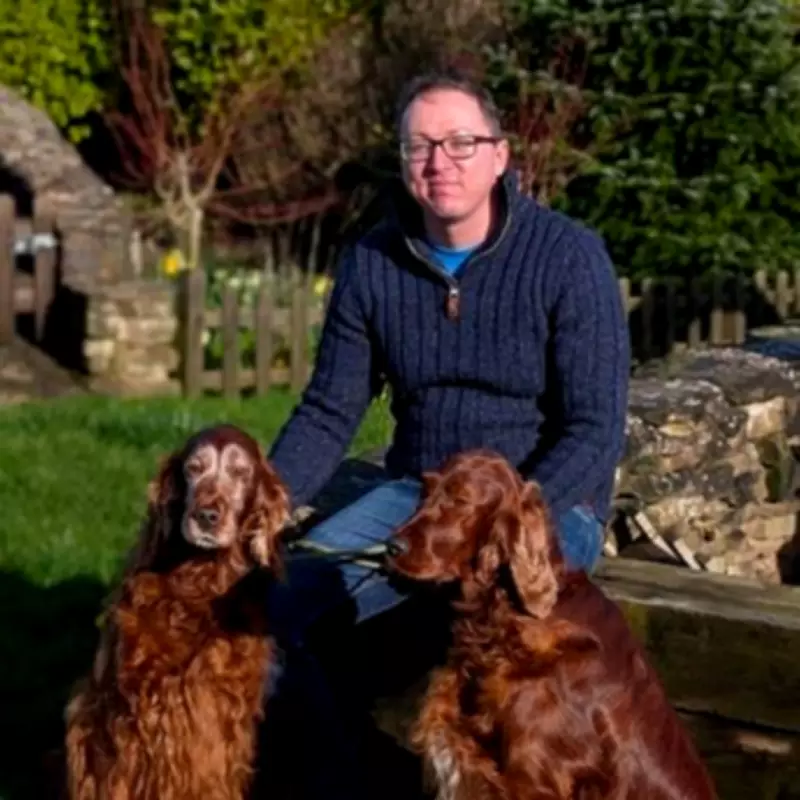
An architect who dismissed persistent headaches and dizziness as mere symptoms of workplace stress has revealed the devastating reality that emerged following a sudden seizure. Craig Alexander, now 38, from Monmouth in Wales, had suffered with these ailments for years, routinely blaming them on fatigue, dehydration, and the long hours inherent to his profession.
The Seizure That Changed Everything
In early May 2023, while travelling in a car with a colleague, Craig experienced a tonic-clonic seizure, commonly known as a grand mal seizure. He lost consciousness and his body began jerking uncontrollably for several minutes. Rushed immediately to Hereford Hospital, an urgent MRI scan uncovered the shocking cause: a large tumour, measuring 75mm by 35mm, situated deep and central within his brain. The diagnosis was an astrocytoma.
A Life-Altering Diagnosis and Treatment
"Nothing prepares you for being told you have a brain tumour," Craig reflected. "One moment I was working, travelling and living my life as normal, and the next I was facing major brain surgery and the very real possibility of losing my independence."

He was referred to the Queen Elizabeth Hospital in Birmingham for a more detailed contrast MRI, which confirmed the tumour had likely been growing slowly for years. Craig was prescribed steroids to manage further seizures and informed he could no longer drive. Doctors warned that unchecked growth could lead to loss of sight, mobility, or worse.
This led to a seven-hour craniotomy to obtain a biopsy. "The impact of the surgery on my brain was catastrophic," Craig revealed. "The only way I can describe it is like having a stroke. Because the tumour was centre-right, afterwards I couldn't walk and I couldn't speak. It was an incredibly traumatic experience."
The Long Road to Recovery
Following surgery, Craig underwent radiotherapy and chemotherapy. The treatments left him sleeping 15 to 18 hours a day and battling severe, ongoing fatigue. The tumour's location and the subsequent medical interventions forced him to give up his career as an architect.
Facing lengthy NHS waiting times, Craig sought private speech and physiotherapy. He has made significant progress but admits, "I still drag my left foot occasionally and my left side remains noticeably weaker." He now requires regular scans to monitor the tumour, as surgical options are exhausted due to the high risk of further impairment. "I live with a tumour," he stated.
Campaigning for Change and Systemic Challenges
Craig has become a campaigner, supporting the unveiling of a manifesto for Wales by the charity Brain Tumour Research at the Senedd. The manifesto demands immediate action to revolutionise outcomes for brain tumour patients.
He highlighted systemic flaws in his care, stating, "Something as basic as getting a blood test before a contrast MRI became a major ordeal. At one point I had to travel to Hereford from Wales just to have my bloods taken. There is a real lack of joined-up care and follow-up, and it often felt like I was falling through the cracks."
Expert Commentary on the Crisis
Dr Karen Noble, Director of Research Policy and Innovation at Brain Tumour Research, emphasised the urgency. "Brain tumours are the leading cause of cancer death in children and young people, yet patients in Wales are being locked out of innovation," she said.
"Our manifesto for Wales is a clear, evidence-based roadmap to change by expanding access to clinical trials, embedding whole genome sequencing into standard care, and committing to targeted research funding. The time to do things differently is now."
Craig's story serves as a stark reminder of the hidden dangers behind common symptoms. "Looking back, there were warning signs," he conceded, "but I put it all down to tiredness, dehydration and long working hours." His experience underscores the profound impact of brain tumours, which, as he notes, "don't just affect your health, they take away your future plans, your confidence and your sense of normality."