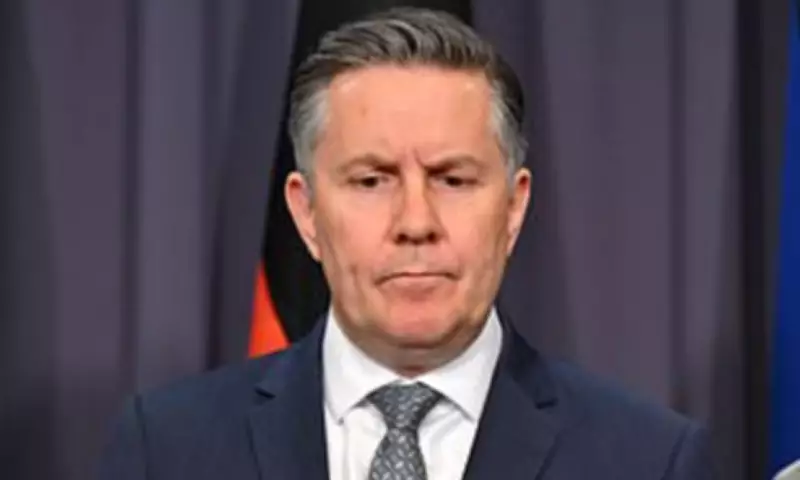
Millions of Australians are being strongly advised to meticulously review their private health insurance policies as premiums are poised to increase once again. Experts have issued warnings that families could potentially be paying thousands of dollars more than necessary if they fail to take proactive measures.
Significant Premium Hike Announced
Private health insurance customers across the nation are bracing for another substantial impact on their household budgets. Premiums are scheduled to rise by an average of 4.41 per cent starting April 1, marking an increase from last year's 3.73 per cent adjustment. This represents the largest single-year premium increase since 2017, when rates climbed by 4.84 per cent.
Government Response and Industry Challenges
Health Minister Mark Butler has attributed this premium increase to escalating costs throughout the health sector. These rising expenses include higher wages for healthcare professionals and growing costs associated with medical and hospital services. Minister Butler emphasized that these economic pressures are driving the necessary adjustments in insurance pricing.

Meanwhile, the federal government is taking legislative action to address what it describes as deceptive industry practices. Minister Butler will introduce new laws specifically designed to eliminate 'product phoenixing' – a tactic where insurers quietly discontinue existing policies only to reintroduce nearly identical coverage at higher prices or with reduced benefits. This practice often leaves households paying more for diminished protection, frequently without realizing their coverage has been compromised.
Expert Advice for Cost Savings
Sally Tindall, Data Insights Director at Canstar.com.au, has outlined several strategies that Australians can employ to mitigate the financial impact of these premium increases. She emphasized that despite the rising costs, there are practical approaches to maintaining adequate coverage while reducing expenses.
Prepayment Options: 'One effective method involves prepaying next year's premiums at current prices. Many insurance providers will allow customers to prepay twelve months of hospital insurance premiums before the scheduled increase takes effect,' Ms Tindall explained.
Policy Reassessment: She also strongly recommended that customers thoroughly reassess their existing policies to ensure they are not paying for unnecessary or redundant coverage. 'Policyholders might discover they're maintaining a level of coverage they no longer require, though it's crucial to understand the potential risks associated with downgrading insurance protection,' she cautioned.
Provider Switching: Ms Tindall highlighted that switching insurance providers can yield significant financial savings, provided the level of coverage remains comparable. 'For instance, if someone transitions from an average-priced gold hospital insurance policy to the most competitively priced alternative, they could potentially save $1,387 annually,' she noted.
Variation Among Insurers
The approved 4.41 per cent increase represents an industry average rather than a strict cap, meaning different insurers have received approval for varying adjustment levels. 'AIA Health Insurance has secured the highest government-approved price increase at an average of 5.98 per cent, while GMHBA Limited will implement the lowest increase at just 1.98 per cent,' Ms Tindall clarified.
Industry Perspective on Rising Costs
Rachel David, Chief Executive of Private Healthcare Australia, provided context regarding the economic challenges facing health insurance providers. Dr David explained that health funds are confronting the escalating costs of delivering care to an ageing population with increasingly complex medical needs.
'More Australians are utilizing their health insurance for high-cost hospital treatments such as joint replacements and cancer therapies, while the overall cost of providing this care continues to rise. This premium adjustment reflects those operational realities,' Dr David stated.

She further acknowledged the financial pressures facing many households: 'If health funds could maintain premiums at current levels without compromising their ability to process claims, they would certainly do so. The industry remains acutely aware of the economic challenges many Australians are currently experiencing.'
As the April implementation date approaches, financial experts continue to emphasize the importance of policy review and comparison to ensure Australians are not overpaying for their health insurance coverage during this period of increased premiums.