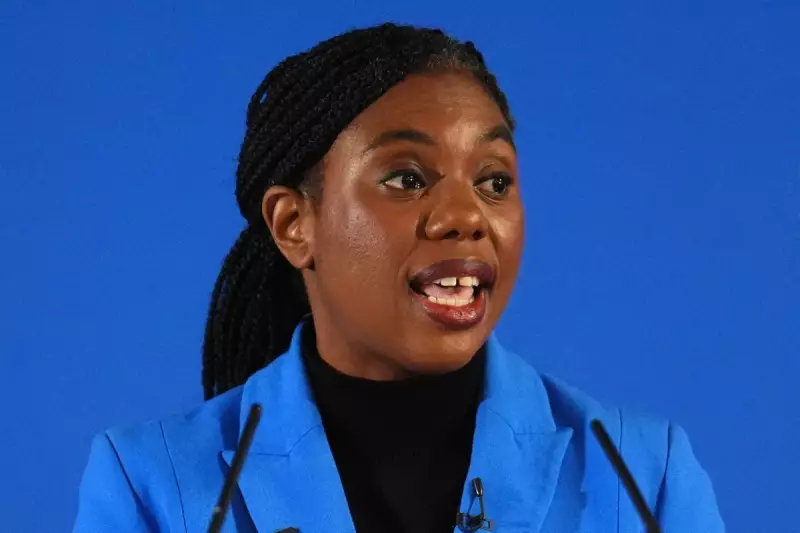
Business Secretary Kemi Badenoch has launched a scathing attack on the British Medical Association (BMA), accusing the doctors' union of putting political motives ahead of patient welfare in its ongoing clash with Labour's shadow health secretary, Wes Streeting.
The row centres around Streeting's proposed NHS reforms, which the BMA has strongly opposed. Badenoch, a prominent Conservative figure, claimed the union was more focused on undermining the government than engaging constructively on healthcare policy.
Political Football or Patient Care?
In her remarks, Badenoch suggested the BMA was using the NHS as a political battleground rather than working to improve services for patients. "When unions prioritise scoring political points over finding solutions, it's patients who suffer," she stated.

The criticism comes amid growing tensions between healthcare unions and both major political parties as the UK approaches a general election, with the NHS expected to be a key campaign issue.
Streeting's Reform Plans Under Fire
Labour's Wes Streeting has proposed significant changes to how the NHS operates, including greater use of private sector capacity to reduce waiting lists. While the Conservatives have expressed similar ideas, the BMA has been particularly vocal in its opposition to Streeting's approach.
Badenoch's intervention adds fuel to an already heated debate about the future of Britain's healthcare system, with all sides accusing each other of putting ideology before practical solutions.
What This Means for the NHS
The public spat highlights the challenges facing whichever party wins the next election in delivering meaningful NHS reform. With staff morale low and waiting lists high, the need for constructive dialogue between politicians and healthcare professionals has never been greater.
As the debate continues, patients and NHS staff alike will be watching closely to see whether political point-scoring gives way to genuine attempts to address the health service's many challenges.