BBC Daytime Show Forced Into On-Air Apology Over Pregnancy Advice
BBC's popular daytime programme Morning Live has been compelled to issue an embarrassing on-air apology after broadcasting what has been described as 'wrong and dangerous' health advice to its viewers. The incident occurred during a segment last week that focused on women attending private scan clinics during pregnancy.
Problematic Segment and Immediate Backlash
During Thursday's discussion about errors made at private clinics, presenter Zoe Hardman suggested that pregnant women concerned about their baby's wellbeing could check the heartbeat themselves using a stethoscope at home. Alternatively, she advised viewers to ask their midwife about electronic fetal monitoring as an option.
The response from medical experts was swift and unequivocal. The pregnancy and baby charity Tommy's issued a strong statement that same afternoon, delivering what they called an 'urgent reminder' to viewers while criticising the programme's advice as potentially dangerous.

Tommy's representatives stated clearly: 'Today, BBC Morning Live featured a segment about private scan clinics. After interviewing two mums with negative experiences of private scan clinics, the presenter said pregnant women could check their baby's heartbeat themselves with a stethoscope for reassurance. This advice is not only wrong, but dangerous because you could be falsely reassured.'
Charity's Warning About Home Monitoring
The charity emphasised that no home scanning device, doppler, or mobile application can reliably indicate whether a baby is developing properly. They stressed that listening for a fetal heartbeat 'is not a safe way' to monitor a baby's health and should only be performed by qualified midwives or healthcare professionals.
Tommy's later updated their statement to acknowledge that Morning Live producers had been in contact to confirm they would correct the misinformation during the same broadcast and would edit the problematic segment for future viewers.
Corrective Measures Implemented
The BBC has implemented several corrective measures following the incident. A prominent pop-up warning now appears on the programme's iPlayer page, stating: 'This programme is subject to a correction. It mistakenly claims that pregnant women can use a stethoscope at home for reassurance. The correct advice is to speak to your maternity unit if you are worried about a reduction in your baby's movements.'
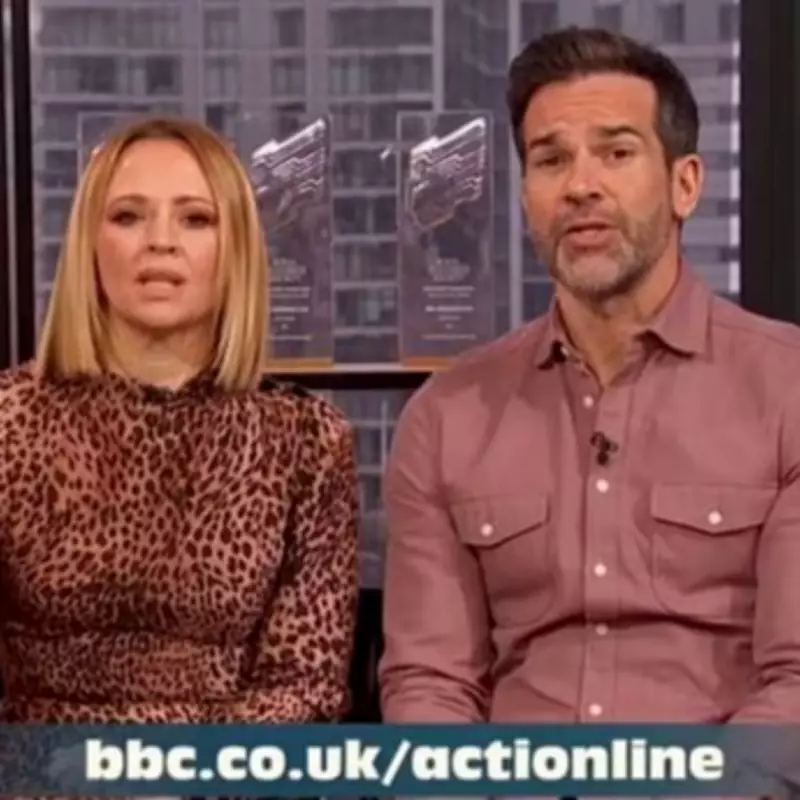
Presenters Kimberley Walsh and Gethin Jones addressed the error directly during a subsequent broadcast. Walsh explained: 'Debbie has actually been in touch, Debbie is a midwife, and said, 'rather than using a stethoscope at home, anyone who is worried about their baby should contact a midwife. Stethoscopes can often give false reassurance by picking up the mum's heartbeat, other sounds and not the baby's heartbeat.'
The presenters thanked the midwife for her intervention and presented the corrected advice to viewers, accompanied by a warning label displayed at the bottom of the screen throughout the discussion.
Broader Implications for Health Broadcasting
This incident highlights the significant responsibility broadcasters carry when discussing medical matters, particularly concerning vulnerable groups like pregnant women. The rapid correction and apology demonstrate the BBC's recognition of their duty to provide accurate health information, though the initial error has raised questions about vetting procedures for health-related content on daytime television.
The episode serves as a reminder to all media organisations about the importance of consulting qualified medical professionals before offering health advice, especially on matters as sensitive as pregnancy and fetal development.