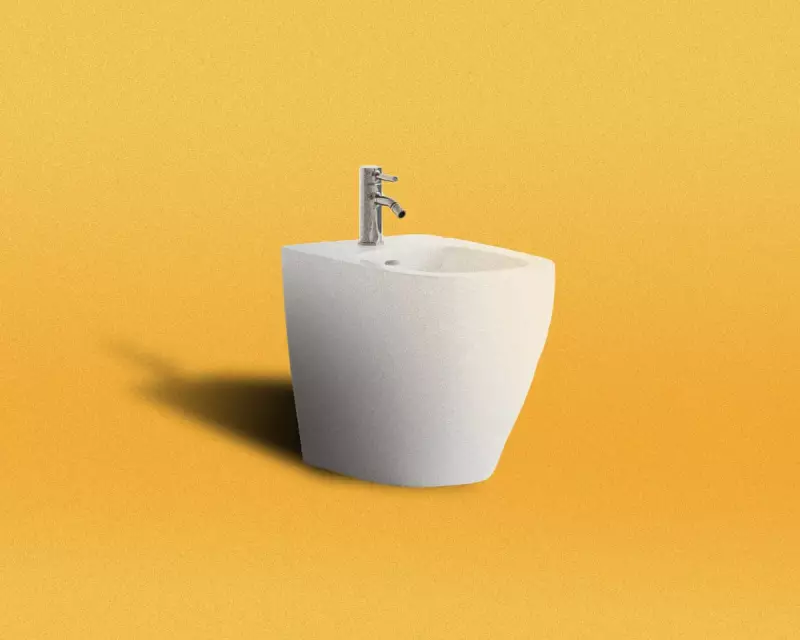
In a world where bathroom habits often go unspoken, one practice is sparking a quiet revolution: the use of bidets, shattafs, or bum guns for washing after toilet use. This simple act of hygiene, long standard in many cultures, is now making waves in places like the United States, thanks to influential figures and growing awareness.
A Cultural Staple from Egypt to Beyond
For Egyptians, such as author Mona Eltahawy, the idea of not washing after using the toilet is unthinkable. In Egypt, every home and public building is equipped with either a bidet—a standalone basin next to the toilet—or a shattaf, a fixture that streams water directly. The shattaf, sometimes called a bum gun in English, allows for adjustable water pressure and is a popular choice for its efficiency.
This practice isn't confined to Egypt. Variations of bidets and shattafs are common across Europe, the Middle East, East Asia, and parts of South America. The word "bidet" originates from French, meaning a small horse, referencing the straddling position, while "shattaf" in Arabic derives from a term for cleaning. It's a testament to how this hygienic method has been embraced globally for centuries.

New York's Bid for Cleanliness
Recently, the trend has gained momentum in the United States, particularly in New York City. Mayor Zohran Mamdani, along with his wife Rama Duwaji, plans to install bidets in their official residence, Gracie Mansion. Mamdani, of Indian descent, represents a shift towards adopting these practices in Western contexts.
Mamdani and Duwaji are breaking barriers in multiple ways. At 34, Mamdani is New York City's youngest mayor since 1892, its first Muslim mayor, and its first South Asian mayor. Duwaji, a 28-year-old Syrian-American artist, is the city's youngest first lady and its first Gen Z and Muslim first lady. Their actions, from dietary choices to bathroom upgrades, are closely watched and often polarising, with critics like White House press secretary Karoline Leavitt labelling Mamdani a communist. Yet, their advocacy for bidets is helping to normalise clean hygiene practices.
Personal Journeys and Cultural Shocks
Eltahawy's own experiences highlight the cultural divides around this issue. When her family moved from Cairo to London in 1975, the absence of bidets or shattafs was a major shock. They resorted to using a watering can at home and wet toilet paper elsewhere, finding it a poor substitute. Later, moving to Saudi Arabia in 1982 brought other challenges, but at least bathrooms there were equipped with washing fixtures.
During the COVID-19 lockdowns, when toilet paper shortages hit, Eltahawy hoped it would be a turning point for bidet adoption in the U.S. Although sales increased, widespread acceptance remains slow, underscoring the stubborn resistance to change in some regions.
Why This Matters for Health and Comfort
Beyond cultural norms, washing after using the toilet offers significant health benefits. It can reduce the risk of infections and irritations, providing a cleaner and more comfortable experience compared to dry toilet paper alone. For many, like Eltahawy, the discomfort of not washing far outweighs any initial awkwardness in discussing the topic.
As awareness grows, more people are considering installing bidets or shattafs in their homes. Online stores have made these fixtures accessible, and endorsements from public figures are helping to destigmatise the practice.
Join the Movement
Eltahawy's message is clear: it's time to embrace this hygienic revolution. Whether you call it a bidet, bum gun, or shattaf, installing one can transform your bathroom routine. As she puts it, this isn't about inviting controversy but about advocating for a basic standard of cleanliness that millions around the world already enjoy.
So, take the plunge and consider adding a washing fixture to your toilet. Your future self will likely thank you for the upgrade, and you might just find yourself part of a growing global trend towards better hygiene.