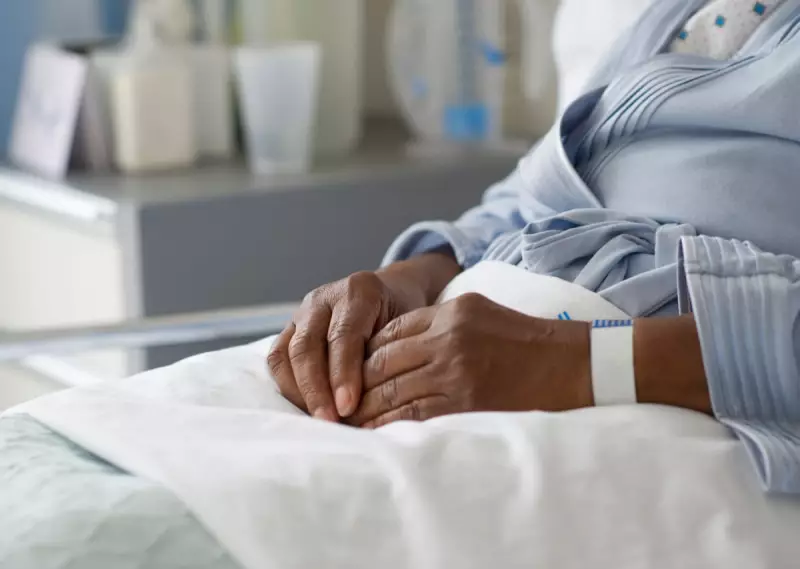
Across gynecology, primary care, and reproductive health, many Black women in the United States describe navigating medical care as a harrowing nightmare. Their experiences are marked by persistent dismissal, bias, and a constant need for self-advocacy to ensure their health concerns are taken seriously.
Personal Stories of Struggle and Survival
Christina Brown, a 30-year-old content creator from New York City, first encountered this systemic issue at age 18. With a family history of breast cancer, she was vigilant about self-examinations. In September 2014, she discovered a lump in her breast and sought medical help. At each appointment, she explained her concern, but doctors repeatedly told her they could feel nothing. "I literally had to grab their hands and show them where the lump was," Brown recounted. It took four rounds of this before a biopsy was scheduled, wasting crucial months. This ordeal reshaped her approach to healthcare, teaching her that knowing her body better than experts is vital for survival.
Similarly, Christine Thomas, a 33-year-old strategy consultant in Washington DC, faced trauma during a routine pap smear in 2018. Her gynecologist made derogatory comments and used the largest speculum without lubricant, causing extreme pain and bleeding. Aware that lubricant is standard, Thomas asked for it, but the damage was done. The experience left her so traumatized that she skipped her next annual screening, highlighting how such incidents can deter women from essential preventative care.

The Impact of Racial Concordance in Healthcare
In response to these challenges, many Black women, like Brown, deliberately seek out Black healthcare providers. A 2023 survey supports this, finding that Black patients report more positive medical experiences when they have more visits with Black doctors. Brown notes that with non-Black doctors, appointments often feel like a performance. "I feel like I have to be my own doctor. I come in like a lawyer trying to make a case for my health," she said. However, she cautions that racial concordance is not a cure-all, as internalized bias can exist anywhere, but the difference in comfort and understanding is palpable.
This was evident in a recent emergency room visit for Brown. Suffering from worsening shortness of breath and chest tightness, she spent 12 hours in the ER, repeatedly dismissed by doctors who told her she was too young for conditions like chronic obstructive pulmonary disease. It wasn't until she saw a Black doctor that the tone shifted. This provider asked specific questions about autoimmune diseases that disproportionately affect Black women, acknowledging how race could be relevant to her condition for the first time during the visit.
Systemic Issues and Healthcare Disparities
The struggles faced by Black women are not isolated incidents but part of a broader pattern of healthcare disparities. Implicit bias and the chronic dismissal of pain have been widely documented for Black patients. High-profile cases, such as Serena Williams' near-death experience after childbirth when doctors ignored her concerns about blood clots, underscore the life-threatening consequences of such neglect. The recent death of Dr Janell Green Smith, a Black certified nurse-midwife from complications after giving birth, has further thrust these realities into public discourse.
Dr Kristamarie Collman, a primary care physician in Houston, points to dismissal and mistreatment as key factors in patients falling behind on their health. "When patients don't have to defend their own lived experiences, and when they feel listened to, the visits are just more efficient for them," she explained. This leads to better involvement and improved outcomes. Dr Chiamaka Ilonzo-Ukwu, an obstetrician-gynecologist in Tampa, adds that lack of trust and communication can result in missed diagnoses and inadequate care, contributing to poorer health outcomes for Black women.

The Role of Medical Education and Systemic Change
Medical education has long centered white patients as the default, creating gaps in understanding how conditions present in Black patients, especially for autoimmune diseases and chronic illnesses that disproportionately affect Black women. Ilonzo-Ukwu notes that Black physicians may be more attuned to these patterns through lived experience, allowing for earlier recognition and proactive care. "We are acutely aware of the implicit biases and health disparities that exist within the healthcare system," she said.
However, not everyone has access to Black doctors, and Collman emphasizes that the burden of navigating bias should not fall on Black women themselves. "Black patients shouldn't have to become hyper-vigilant and medical experts when being seen by a doctor," she asserted. Instead, healthcare systems, medical training, and individual providers must take responsibility. Listening should be treated as a critical clinical skill to address these inequities.
Ilonzo-Ukwu clarifies that emphasizing race-concordant care is not about exclusivity but highlighting existing gaps in trust and outcomes. "The relationship between Black physicians and Black patients should be viewed as additive, not exclusive," she said. It is one piece of a broader effort to improve health outcomes for everyone, urging systemic reforms to ensure all patients receive equitable and respectful care.