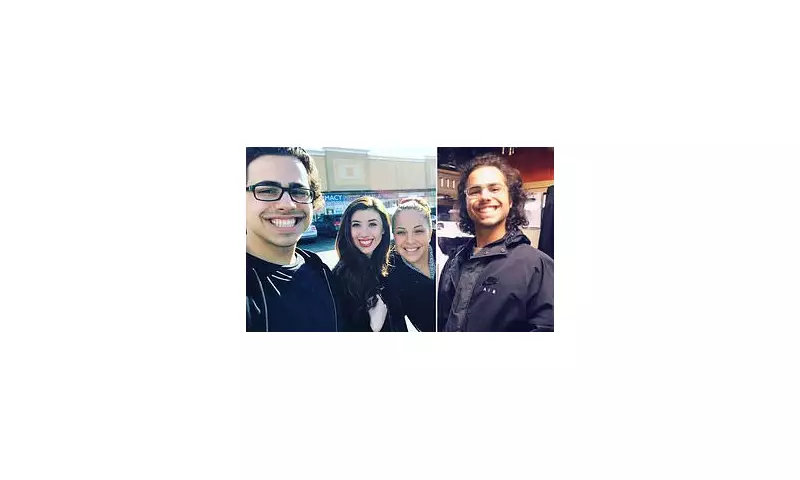
A Canadian mother has spoken of her profound heartbreak and anger after her 26-year-old son, who was blind and living with type 1 diabetes, died by physician-assisted suicide under Canada's controversial Medical Assistance in Dying (MAiD) programme.
A Mother's Fight to Save Her Son
Margaret Marsilla had previously succeeded in preventing her son, Kiano Vafaeian, from accessing MAiD back in 2022. She argued passionately that Vafaeian did not suffer from any terminal illness; his conditions were blindness, complications from diabetes, and mental health struggles.
"Four years ago, here in Ontario, we were able to stop his euthanasia and get him some help," Marsilla posted on Facebook following her son's death on December 30, 2025. "He was alive because people stepped in when he was vulnerable - not capable of making a final, irreversible decision."

Legal Framework and Expanding Eligibility
Canada legalised assisted dying in 2016, initially restricting it to terminally ill adults whose deaths were reasonably foreseeable. However, eligibility was significantly expanded in 2021 to include individuals with chronic illnesses and disabilities. A parliamentary review is pending which may further extend access to those with certain mental health conditions as their sole underlying issue.
The country now reports one of the world's highest rates of medically assisted deaths, with MAiD accounting for 5.1 percent of all deaths in 2024 – totalling 16,499 individuals. Notably, the fastest-growing category in MAiD statistics is a broad "other" classification, which saw deaths nearly double to 4,255 in 2023, representing 28 percent of all assisted suicides. It is within this category that Vafaeian's death is recorded.
The Tragic Path to a Final Decision
Vafaeian's health challenges began after a serious car accident at age 17. His life involved multiple moves between family members. A significant decline occurred in April 2022 when he lost sight in one eye. That September, he first attempted to schedule a MAiD procedure in Toronto.
His plan was thwarted when his mother discovered a confirmation email. She contacted the doctor, recorded the conversation, and shared it with a journalist, leading to the procedure's postponement. While Vafaeian was reportedly furious at this intervention, bioethics professor Trudo Lemmens stated, "The only reason that Kiano was alive when I met him is because his mother had the guts to go public."
Periods of Hope and Sudden Collapse
In the following years, Marsilla believed their relationship was healing. She secured a furnished condominium with a live-in caregiver for him in Toronto last September and drafted a financial support agreement. Vafaeian spoke of a "new chapter," discussed paying down debts, and even travelled to New York to purchase advanced Meta Ray-Ban sunglasses, hailed as assistive technology for the blind.
By October, he was using a gym membership and personal training sessions, with his mother noting, "He was so happy that he was working out and getting healthy." Tragically, this progress was short-lived. Marsilla observed that "something snapped in his head." He abruptly left for a luxury resort in Mexico in mid-December before flying to Vancouver.
The Final Days and a Doctor's Perspective
On December 18, Vafaeian texted his family to say he was scheduled for assisted suicide the next day. After a brief postponement for "paperwork," the procedure was ultimately performed by Dr Ellen Wiebe on December 30.
Dr Wiebe, who dedicates half her practice to MAiD and the other half to abortion and maternity care, described assisted dying as the "best work I've ever done," linking it to her "strong, passionate desire for human rights." She explained her assessment process involves "long, fascinating conversations about what makes their life worth living."
Shortly before his death, Vafaeian signed his will at a Vancouver law firm, reportedly expressing a desire for his story to be known and advocating that young people with severe pain and blindness should have MAiD access equivalent to terminally ill patients.

A Family's Lasting Grief and a Mother's Pledge
Vafaeian's death certificate cites blindness, severe peripheral neuropathy, and diabetes as antecedent causes. An online obituary remembers him as a "cherished son and brother." The family has requested donations to organisations supporting diabetes care, vision loss, and mental illness in his name.
Margaret Marsilla has vowed to continue her fight, calling her son's physician-assisted death "disgusting on every level." She promised, "I will fight tooth and nail for my son and other parents who too have children that suffer from mental illness. No parent should ever have to bury their child because a system - and a doctor - chose death over care, help or love."
This case highlights the intense ethical debates surrounding Canada's evolving assisted dying laws, particularly concerning non-terminal chronic conditions and mental health, leaving a family in mourning and questions unanswered about the boundaries of medical choice and protection.