Doctor's Warning: Two Common Fruits Could Be Dangerous With Blood Pressure Medication
Blood Pressure Medication Warning: Avoid These Two Fruits

A leading general practitioner has issued a crucial health warning that could affect millions of people across the United Kingdom who are managing high blood pressure or heart conditions with medication.

Medication and Food Interactions

During a recent appearance on ITV's This Morning programme, GP Chris Steele delivered important advice that patients taking specific heart and blood pressure medications must carefully consider their dietary choices. The healthcare professional emphasised that certain everyday foods can dangerously conflict with what prescribed medicines are designed to achieve within the body.

When consumed in excessive quantities, these food and medication combinations could trigger serious health complications that are entirely preventable with proper awareness and dietary adjustments.

The Two Fruits to Avoid

Dr Steele specifically highlighted two common fruits that many households regularly keep in their kitchens but which could pose significant risks for certain patients. The medical expert warned that individuals prescribed any medication classified as an ACE inhibitor should eliminate or strictly limit their consumption of both bananas and oranges.

In his television interview, Dr Steele explained: "Bananas are high in potassium, which is not good for certain medications. Try not to eat bananas or oranges if you take ACE inhibitors such as captopril, enalapril and fosinopril, among others."

Understanding ACE Inhibitors

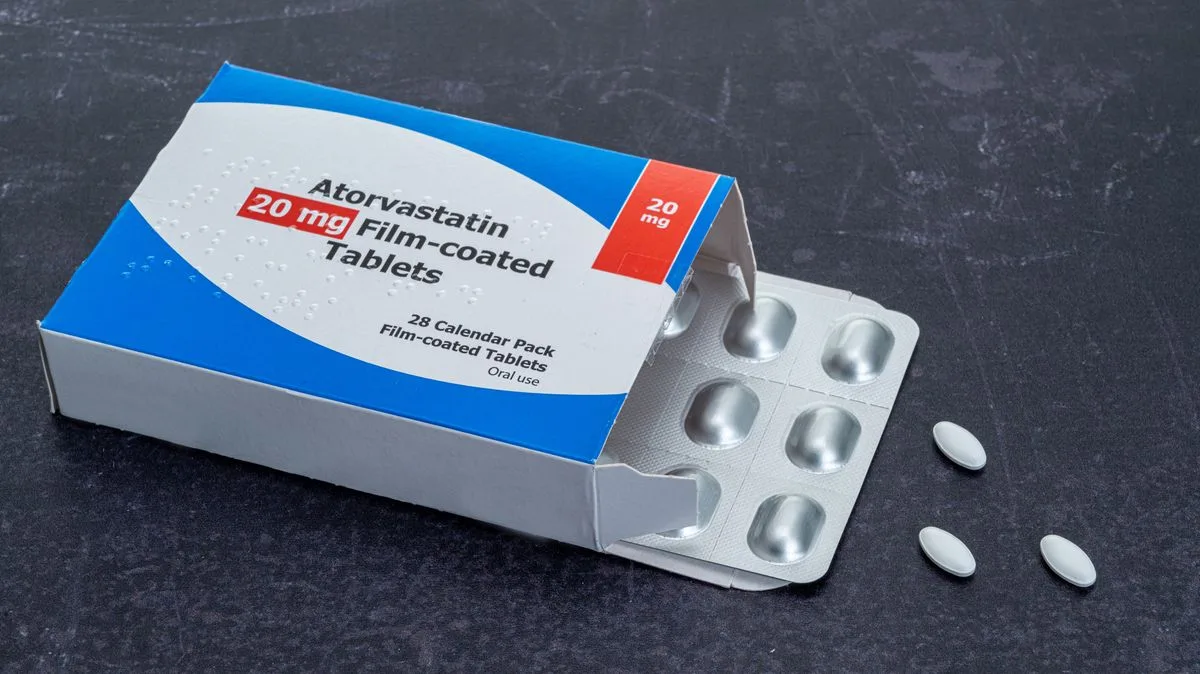
ACE inhibitors represent a common class of pharmaceutical treatment prescribed to lower blood pressure and manage heart failure. These medications work by widening blood vessels throughout the body, allowing blood to flow more efficiently and reducing strain on the cardiovascular system.

These drugs are frequently prescribed as first-choice treatments for hypertension, heart failure, and certain kidney conditions, though they require careful monitoring for potential side effects and interactions.

The Potassium Problem Explained

The primary concern with consuming bananas and oranges while taking ACE inhibitors stems from their high potassium content. When these potassium-rich foods combine with these specific medications, they can cause potassium levels in the bloodstream to rise to potentially dangerous levels.

Mildly elevated potassium levels might result in uncomfortable symptoms including abdominal pain, diarrhoea, nausea, and vomiting. However, many individuals with rising potassium levels experience no noticeable symptoms until their condition becomes severe, potentially leading to chest pain, heart palpitations, and irregular or fluttering heartbeats.

Practical Dietary Guidance

Medical professionals strongly advise patients to inform their GP if they are taking potassium supplements or diuretics alongside blood pressure medication. Those prescribed ACE inhibitors should avoid consuming large quantities of foods known to be high in potassium.

The NHS continues to recommend that adults in the UK aim for five portions of fruit and vegetables daily as part of a balanced diet. While all fruits contain some potassium, making excessive consumption of any fruit potentially problematic, certain options contain significantly lower potassium levels than bananas and oranges.

Fruit alternatives with lower potassium content include:

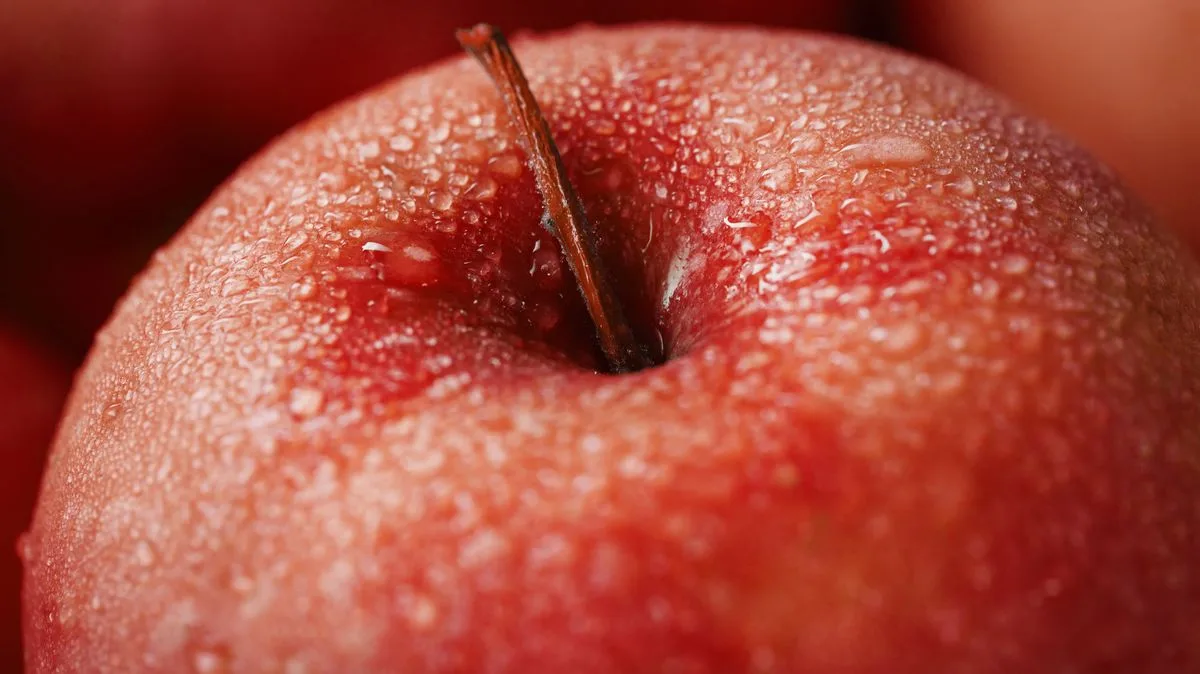
  • Apples
  • Various berries
  • Grapes
  • Pineapples
  • Pears

Watermelon is generally considered low to moderate in potassium, making it a suitable choice for those following low-potassium diets. A typical serving of diced watermelon contains approximately 170-180 milligrams of potassium, which is substantially lower than higher-potassium melons like cantaloupe.

Understanding Potassium Requirements

According to official NHS guidelines, adults aged 19 to 64 require approximately 3,500 milligrams of potassium daily, an amount that should be achievable through a balanced daily diet without excessive consumption of high-potassium foods.

Healthcare professionals emphasise that patients should discuss any dietary concerns with their doctor, who can provide personalised advice tailored to individual health needs, medication regimens, and specific medical conditions.