California's Unique Program Sends Birthday Cards to Babies Recovering from Botulism
A distinctive California initiative, which provides the planet's solitary medical treatment for potentially lethal infant botulism, also extends a heartwarming gesture to recovering families: bespoke birthday cards.
Annually, personnel at the state's Infant Botulism Treatment and Prevention Program meticulously create and dispatch approximately 200 cards, commemorating the recovery of children afflicted by this uncommon and hazardous condition.
Recent Outbreak and Personal Stories
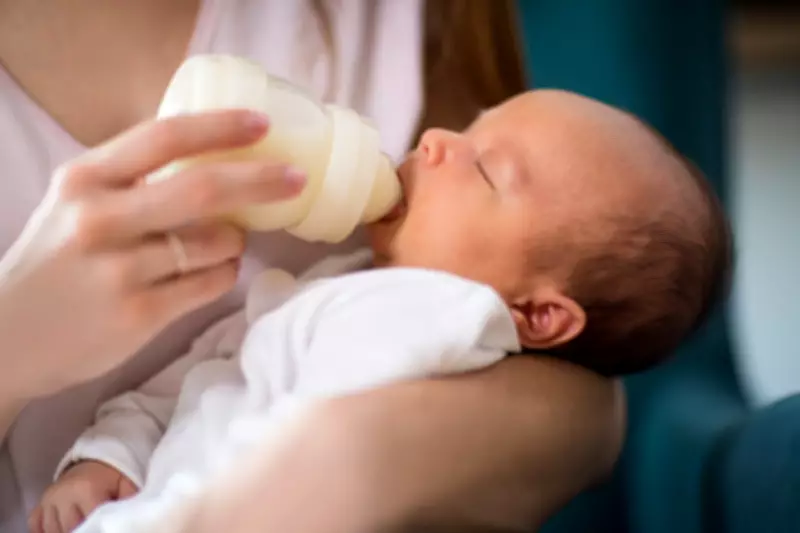
Lately, this cohort has encompassed numerous American infants impacted by a botulism outbreak connected to tainted ByHeart formula.

Amy Mazziotti, residing in Burbank, California, obtained a birthday card for her son, Hank, in September, several months following his twelve-day hospitalisation due to botulism contracted from the ByHeart formula.
"The fact that they take the time to send hand-drawn cards to each baby is incredibly special," Mazziotti remarked. "When you're worried about your baby, it's the small acts like this that somehow feel really big."
The Card Coordinator and Program's Core Mission
The cards are orchestrated by Robin Hinks, a program assistant whose responsibilities encompass decorating, monitoring, and mailing them.
"I am a big fan of drawing animals with party hats," Hinks disclosed, favouring crayons and coloured pencils. "Like, here's a frog with some balloons and a little penguin."
The program's principal objective is to aid in diagnosing and treating the disease, which transpires when infants ingest botulism spores that germinate in the intestine and generate a perilous toxin assaulting the nervous system, inducing paralysis.
Fatality rates were previously as elevated as ninety percent, but presently are under one percent with treatment.
Exclusive Treatment and Family Support Network
The sole treatment, known as BabyBIG, is an intravenous medication manufactured from the pooled blood plasma of adults immunised against botulism. California's program is the exclusive global source.
Since the disease is so rare, with roughly 200 cases managed each year, the botulism centre has evolved into a fountain of information and connection for families confronting the ordeal.
"Support of the babies and their families remains paramount to our program and our mission," stated Dr. Jessica Khouri, the program's senior medical officer.
Heather Goody, from Gallipolis, Ohio, expressed feeling isolated when her daughter, MaryEllen, contracted infant botulism in 2016. Almost a decade later, Goody still administers a Facebook group, Infant Botulism Awareness, to link parents of ailing babies. It now boasts over 500 members.
She still recollects how moving it was to receive a card on MaryEllen's first birthday.
"It brought all the feels, but most importantly the feeling of gratitude that she was thriving in all areas of life," Goody affirmed.
Legacy and Ongoing Connections
Sustaining that connection was a priority for the late Dr. Stephen Arnon, who with colleagues in 1976 identified the rare form of botulism affecting babies younger than one year old—and subsequently devoted the next forty-five years determining how to treat it.
Arnon, who passed away in 2022, remained in close contact with families of children afflicted by infant botulism, updating them as his scientific work advanced.
Today, nearly 1,500 families are part of the botulism program's parent network, which includes children treated two decades ago. The group shares everything from preschool graduations to university acceptances and other significant milestones.
"Former patients have gone on to have families of their own and keep in touch with us," Khouri said. "It really is an incredible part of the work we do."