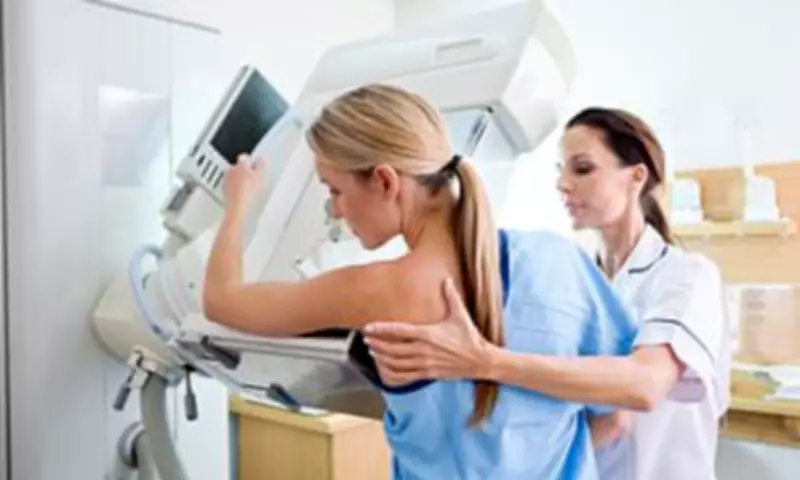
Breast Screening Programme Detects 20,000 Cancers as Uptake Rises, But Many Women Still Skip Vital Checks
New figures from NHS England reveal that the national breast screening programme identified nearly 20,000 cancers last year, yet almost one in three women continue to snub these lifesaving appointments. Health officials emphasise that regular checks are crucial for catching tumours early, when treatment is more effective and survival rates are significantly higher.
Record Screening Numbers and Cancer Detections
In the 2024/25 period, 1.94 million women attended breast screening within six months of receiving their invitation, marking a substantial increase from 1.75 million the previous year. This heightened participation led to the detection of 19,291 breast cancer cases, equivalent to nine cancers for every 1,000 women screened. This represents a notable 16 per cent rise from the 16,677 cases identified in 2023/24.
Dr Harrison Carter, director of screening at NHS England, stated: ‘Breast screening can save lives. With nearly 20,000 cancers detected early through screening last year, it’s encouraging to see more women attending, especially those invited for the first time, because making screening a habit can help protect your health for years to come.’

Persistent Non-Attendance and Improvement Efforts
Despite these positive trends, approximately 30 per cent of eligible women do not take up their screening offers. Currently, 71.8 per cent of women are up to date with their screenings, a 1.8 percentage point increase from last year. Attendance among first-time invitees has also reached 63.6 per cent, the highest level in a decade.
Dr Carter acknowledged there is ‘much more still to do’ to support women in accessing breast screening. NHS England and screening services are implementing strategies to improve uptake, including sending reminder texts and expanding the use of mobile units to reach underserved communities.
Surgeons Issue Stark Warning Against Breast Fillers
Concurrently, Britain’s leading plastic surgeons are calling for an immediate ban on synthetic fillers being injected into women’s breasts. The British Association of Aesthetic Plastic Surgeons (BAAPS) describes the trendy procedure, often marketed as a ‘lunchtime boob job,’ as posing ‘unacceptable’ risks.
These risks include infection, disfigurement, and the formation of hard scar tissues known as granulomas, which can obscure early signs of breast cancer on mammograms. BAAPS asserts there is ‘no justification whatsoever’ for injecting dermal fillers into breast tissue, labelling any procedure that might hinder cancer detection as ‘simply indefensible.’
Nora Nugent, president of BAAPS, explained: ‘The breast is not just cosmetic tissue, it is a gland with a biological function. Infections can prevent breastfeeding and cause lasting damage. Women are being sold the illusion of a quick fix. In reality, the aesthetic improvement is minimal, while the risks are very real.’
Historical Concerns and Ongoing Risks
In 2012, the breast filler Macrolane was withdrawn from the market due to safety concerns. However, surgeons report that similar products continue to be injected into breasts today, often with minimal oversight. In severe cases, women have required major operations to remove the filler material.
Fillers are frequently promoted as a quick, non-surgical solution for issues like post-pregnancy volume loss, sagging following weight loss treatments, and a lack of upper fullness. Yet, BAAPS notes that the typical amounts injected do not significantly increase breast size and often result in unnatural appearances over time.

Personal Testimonies Highlight Screening Importance
Philomena Ofodu, 54, had her stage two breast cancer detected through screening, despite initially considering ignoring her invitation. She shared: ‘Encouraging women to attend their breast screening appointment is something that I am extremely passionate about, as I know how much it matters. I’ve lost friends who might still be here if their cancer had been found earlier, and I very nearly ignored my own screening invitation, too. At the time, I didn’t want to disrupt a new job I loved, but that small delay could have cost me everything.’
Broader Context and Health Impact
Breast cancer affects one in seven women in the UK, with over 44,000 new cases diagnosed annually. The screening programme invites women aged 50 to 71 for a mammogram every three years. These scans are designed to detect cancers that are too small to see or feel, significantly improving treatment outcomes.
Dr Carter urged women: ‘If you receive an invitation, please don’t ignore it. It’s an appointment that could save your life.’ The combined efforts to boost screening attendance and curb dangerous cosmetic procedures aim to enhance early detection and reduce the burden of breast cancer across the nation.