In a remarkable public health achievement, the Brixton Blood Donor Centre has helped save or improve more than 50,000 lives during its first year of operation, according to exclusive new figures from NHS Blood and Transplant. The centre has transformed blood supplies across London at a critical time, following the worst national blood shortage on record between 2024 and 2025.
Record-Breaking Donor Engagement
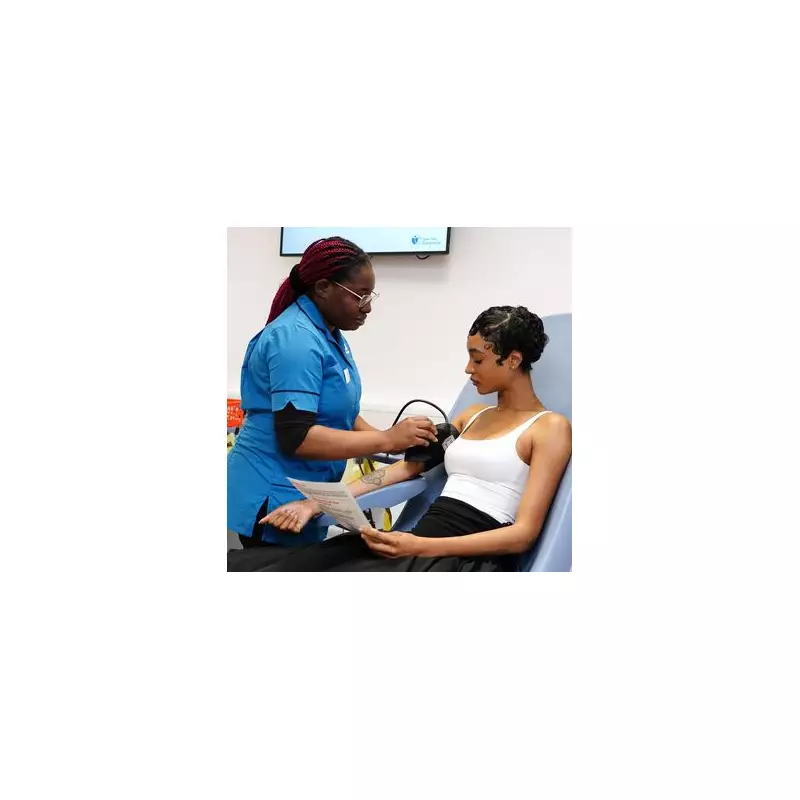
The Brixton centre has seen over 17,000 Londoners give blood since opening, significantly boosting hospital and emergency service supplies across the capital. What makes this achievement particularly noteworthy is how the centre has dramatically outperformed national trends, with 38% of donors making their first-ever donation at Brixton compared to the national average of just 18%.
Addressing Critical Health Disparities
One of the centre's most significant impacts has been increasing donations from Black heritage donors, who currently represent only 3% of blood donors nationally. The centre was permanently established in Brixton specifically because of the area's large Black population, moving beyond temporary pop-up arrangements to create lasting community infrastructure.

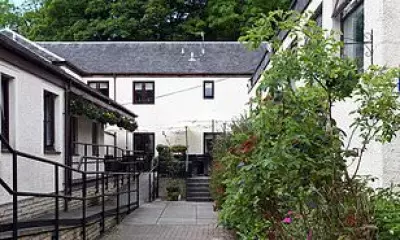
Situated on a busy high street, the highly visible location has enabled regular blood drive events that publicise the urgent need for donations while boosting donor numbers through community engagement.
The Vital Importance of Ro Blood
The increased participation from Black heritage donors addresses a critical medical need for Ro blood, a rare subtype crucial for treating conditions like sickle cell disease. This inherited blood disorder predominantly affects people of Black African and Black Caribbean heritage, and closely matched blood helps minimise adverse reactions during treatment.
Black heritage donors are 47% more likely to carry the Ro blood subtype than white donors, and the Brixton centre has accounted for an impressive 19% of all Ro blood donations across London - more than double the national average.
Patient Experience Highlights Urgent Need
Calvin Campbell, a 61-year-old NHS Senior Community Ambassador living with sickle cell disease, knows firsthand the impact of not having closely matched blood. Following a recent pain crisis, Calvin temporarily lost sight in both eyes, with his vision taking about four months to return.
"I couldn't do any of the things that I do if it wasn't for blood donations," Calvin explains. "Blood and having a ton of exchanges actually helps to repair some of the damage."
In December 2025, Calvin experienced a severe reaction during his regular blood exchange due to insufficient matching. "Suddenly I couldn't breathe, my face and throat swelled up," he recalls, highlighting how transfusions become increasingly complex over time as repeated exchanges cause the body to build up antibodies.
Donor Perspectives and Future Impact
Sarah Tucker, who recently marked her 15th blood donation after more than a decade of giving, began donating following her mother's example. "Giving blood is a super-quick, rewarding experience that makes a real difference to people's lives," she says, noting that women can donate up to three times yearly while men can donate up to four times annually.
NHSBT Director of Donor Experience Mark Chambers emphasises the broader impact: "Without their backing, many lives would be lost or diminished, and many patients who need lifesaving treatments - be they sickle cell patients, those undergoing cancer treatment or women receiving maternity care, wouldn't receive the treatments they need."
Building a Sustainable Donor Base
Rexford Osei-Bonsu, Manager of the Brixton Donor Centre, highlights the centre's success in attracting younger donors as particularly encouraging. "More than 50% falls below or around 35 years which is massive and means that in the long run, they'll be in a position to donate for longer years," he explains, creating a sustainable donor base for future needs.
The centre's strategic location, community-focused approach, and success in addressing specific medical needs through targeted donor engagement have created a model that could transform blood donation services across the UK while saving thousands of lives annually.