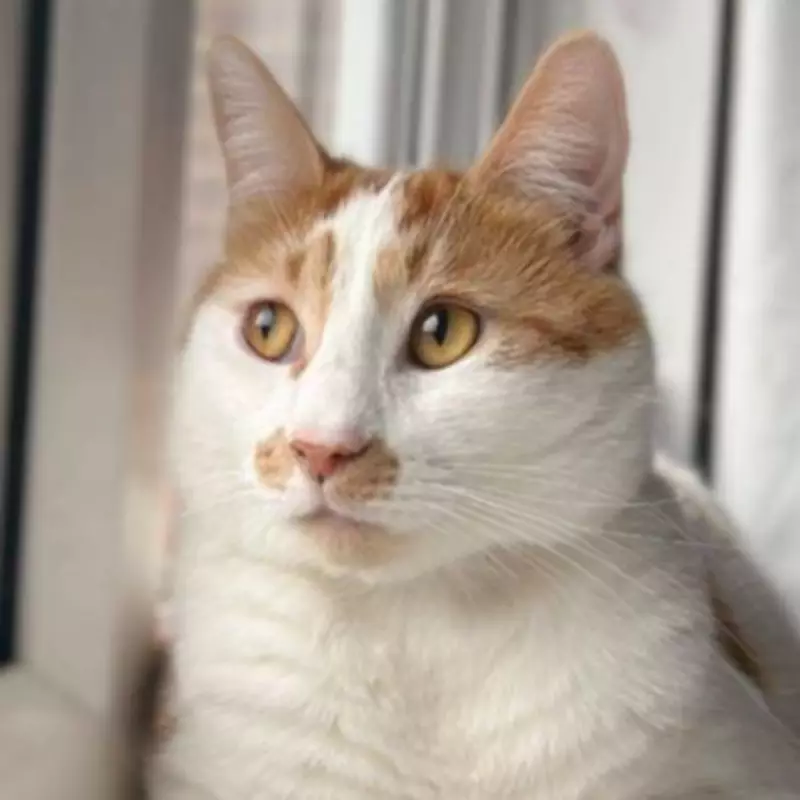
Cat Owner's Harrowing Experience: Spotting The Warning Sign That Saved A Life
It is a feline medical condition with potentially devastating consequences, yet countless cat owners remain completely unaware of its existence until their own beloved pet faces imminent danger. This was precisely the situation for one owner, whose quick thinking and intervention prevented a tragedy. Here is the crucial information every cat guardian should know before an emergency strikes.
The Day Everything Changed: Chester's Sudden Crisis
Last year, my cherished cat Chester, a typically vibrant and healthy three-year-old, came perilously close to death. Until that moment, I had no comprehension of how swiftly a seemingly minor behavioural change could escalate into a full-blown life-threatening crisis. There were no glaring red flags or obvious signs of severe illness initially, but one day, something felt distinctly wrong.
What followed was an intensive veterinary visit and a prolonged recovery period, all due to a condition I had never previously encountered: male cat urethral obstruction. This ailment can have catastrophic outcomes, and tragically, many pet owners only learn about it when their own cat is already at grave risk. Chester survived, but solely because I acted promptly. Now, I am determined to raise awareness about this serious feline health issue to help other owners recognise the danger signs.

Understanding Male Cat Urethral Obstruction: A Critical Emergency
A male cat urethral obstruction is a dire medical emergency where the urethra becomes completely blocked, preventing the cat from passing urine. When a cat cannot urinate, the bladder becomes painfully distended and overfilled. A total obstruction can prove fatal within a remarkably short timeframe, often just 24 to 72 hours.
This condition is significantly more common in male cats due to their anatomy; they possess a longer and narrower urethra than females. The blockage typically occurs when material such as urinary crystals, stones, or inflammatory debris obstructs the urethral passage.
Key symptoms that your cat may be struggling include:- Straining to urinate with little or no urine produced
- Crying, yowling, or vocalising in apparent pain
- Unusual restlessness, agitation, or hiding behaviour
- Vomiting or a sudden loss of appetite
The Subtle Warning Sign That Triggered Alarm
For Chester, identifying these classic signs was particularly challenging. He shared a litter tray with his sister, making it difficult to monitor his individual output. Furthermore, he continued to eat normally and did not cry out in pain, which masked the severity of his condition.
The critical warning sign that finally raised my concern was observing him attempt to urinate in unusual places—such as in cardboard boxes and on his toys—yet producing absolutely no urine. While I did not fully grasp the life-threatening nature of the situation at the time, mistakenly attributing it to stress, I trusted my instincts and took him to the veterinary surgery immediately. Despite sometimes being labelled an overly anxious pet owner and previously being told he did not always need urgent care, my gut feeling was profoundly correct on this occasion.
Emergency Veterinary Intervention and Costly Recovery
Upon examination, the veterinarians informed me that Chester's bladder was dangerously full, likely due to a urinary blockage. He was potentially mere minutes away from systemic collapse and possible death. Within two minutes of arriving at the clinic, he was whisked away for emergency treatment, receiving vital fluids while I waited anxiously for news.
Chester remained hospitalised for two full days. During this time, he received continuous fluids and underwent a procedure to clear the obstructive material from his urethra. The skilled veterinary team succeeded in saving his life, though his recovery was protracted and accompanied by ongoing concerns about the risk of recurrence.
The total cost for this emergency care and treatment reached just under £1,500. I would have paid any amount to save him, but this experience underscores exactly why I strongly urge all new pet owners to secure comprehensive pet insurance. You genuinely cannot predict what health challenges lie ahead for your feline companion.

Long-Term Management and Preventative Strategies
Since his recovery, Chester has been maintained on a specialised—and costly—veterinary urinary health diet, as recommended by his vet. Thankfully, we have experienced no further complications. We were also advised to ensure multiple sources of fresh water are available. Consequently, we installed a cat water fountain, which he greatly prefers and encourages better hydration.
Stress is a recognised significant factor in feline lower urinary tract disease. To mitigate this, we maintain a consistent daily routine, provide plenty of stimulating activities and safe hiding places, and use pheromone diffusers throughout our home to promote a calm environment.
Not all cats are as fortunate as Chester. While the majority of felines will never experience a urethral blockage, the condition is not rare. Therefore, it is absolutely crucial for owners to remain vigilant and watch for any subtle symptoms. Recognising the signs early could make the difference between a manageable situation and a heartbreaking loss.