The Church of England has reported a notable rise in the number of individuals contacting its clergy to request exorcisms, formally known as deliverance ministries, aimed at 'delivering them from evil'. Representatives from the Church's deliverance teams have observed an uptick in inquiries about this spiritual practice, particularly in the aftermath of the Covid-19 pandemic.
Understanding the Surge in Spiritual Requests
According to Church officials, most people are not seeking the dramatic exorcisms often portrayed in Hollywood films, but rather spiritual assistance to calm their minds and find peace. This trend highlights a growing need for psychological and emotional support through religious channels during times of uncertainty.
Recent Incident at NHS Hospice in Norwich
This development follows recent reports that an NHS trust in Norwich called upon deliverance ministers after staff reported paranormal sightings, including a 'girl in a red dress', at a hospice. The site, previously used as a children's hospital, had employees fearing it might be haunted due to a series of unexplained incidents.

To address these concerns, the NHS reportedly requested the help of deliverance ministers to perform a religious service using holy oil. Commonly referred to as exorcists, these ministers are employed by the Church of England to cleanse places or individuals of evil spirits.
The Reality of Deliverance Ministry
Dr Anne Richards, the Church of England's national officer for deliverance ministry, explained that unlike the sensationalised depictions in films such as The Exorcist, real-life exorcisms are typically quiet and calm affairs. The focus is on reassuring people, especially those who have experienced recent bereavements, rather than escalating tensions.
Dr Richards noted, 'The number of inquiries they receive is rising. It's fair to say there is an uptick in requests for help. But it's not to do with a spirit being cast out of a person. It's a whole range.' She added that post-Covid, there was a surge in cases where people, during lockdown, began hearing unusual sounds in their homes, often later attributed to mundane causes like plumbing.
Specific Case at Priscilla Bacon Lodge
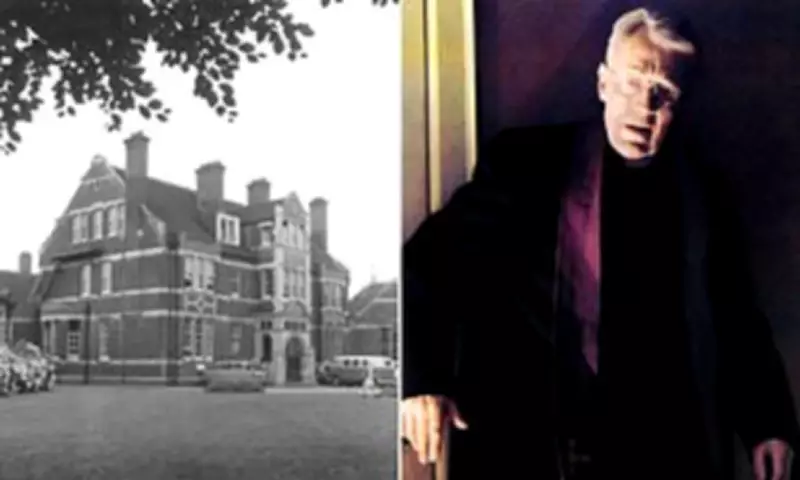
The paranormal sightings occurred at Priscilla Bacon Lodge, near Colman Hospital, which was used by Norfolk Community Health and Care NHS Trust for specialist end-of-life care. Historically, until 1975, the site housed the Jenny Lind Children's Hospital, leading some staff to believe it remains haunted by spirits.
Sources indicated concerns over 'paranormal incidents' at the hospice, with one person reportedly seeing the apparition of a 'small child in a red dress'. However, it is understood that an exorcism was not performed; instead, a chaplain conducted a blessing of the building to alleviate fears.
Church's Response and Procedures
Emails reviewed by The Telegraph reveal that in 2023, the hospice chaplain contacted the Diocese of Norwich seeking 'advice/support from the deliverance team'. The chaplain described it as a 'difficult time' and requested 'some holy oil' from Norwich Cathedral for a religious service to comfort staff and patients worried about hauntings.
A week later, another email confirmed that the diocese was in 'conversation with a member of the deliverance team'. The trust acknowledged that a 'blessing of the building' was carried out but denied that an exorcist visited the site in person. They declined to comment on the specific paranormal activities reported by patients and staff.
Outcome and Current Status
Priscilla Bacon Lodge has since moved to new premises in 2023, following the reports of paranormal incidents. The original building is no longer in use, having been briefly repurposed into a therapy unit before its closure.
This case underscores the Church of England's evolving role in addressing modern spiritual anxieties, blending traditional practices with contemporary needs for mental and emotional well-being.