Covid Inquiry Concludes with Stark Warnings on Society's Lasting Scars
The long-running Covid-19 inquiry has wrapped up its public hearings after nearly three years, with its final module delivering a sobering assessment of the pandemic's enduring impact on UK society. While earlier sections dissected specific areas like care homes and vaccine rollouts, module 10 took a broader view, aiming to create a permanent record of the crisis and recommend future improvements.
Heather Hallett, the inquiry chair, emphasised that this phase was about ensuring people do not forget the lessons learned and implementing changes to bolster resilience. The findings paint a picture of widespread trauma, particularly affecting mental health, key workers, vulnerable groups, and the bereaved.
Mental Health Crisis Exacerbated by Pandemic Pressures
Experts testified that demand for mental health services skyrocketed overnight when lockdowns began. Charities such as Mind were inundated with calls from individuals in extreme distress after statutory services shut down. Reports of suicidal thoughts, self-harm, eating disorders, and compulsive behaviours surged dramatically.

Dr Sarah Hughes, CEO of Mind, highlighted the profound effect on children and young people, who were bombarded with rolling news and a constant sense of emergency. She noted that every ministerial announcement triggered a spike in helpline contacts from deeply anxious individuals.
The legacy of this period persists today, with many struggling to process grief due to restricted funerals, leading to complex grief and post-traumatic stress disorder that remains poorly understood nationally.
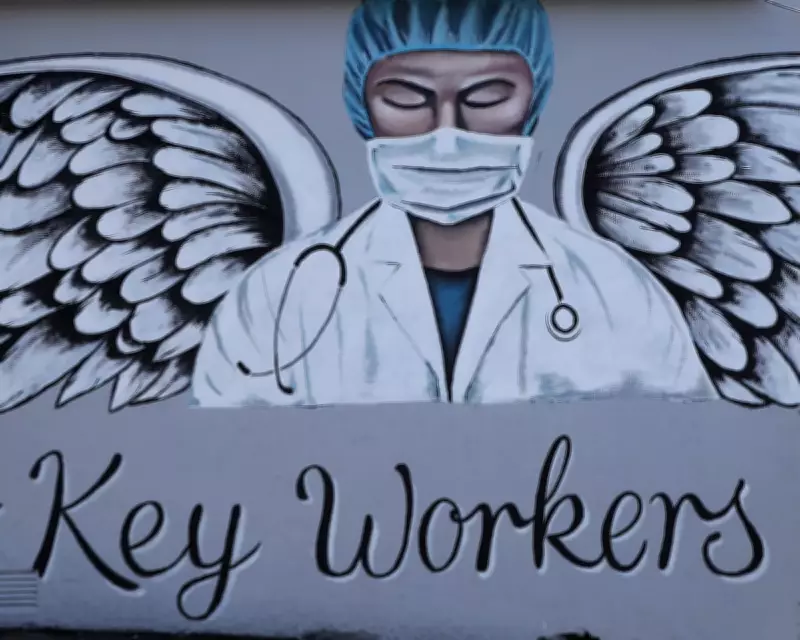
Key Workers Faced Abuse and Dehumanisation
The inquiry heard harrowing accounts from key workers across sectors who felt ignored and undervalued during the pandemic. Many endured high levels of abuse and intimidation while enforcing social distancing rules.
John Leach, assistant general secretary of the RMT union, described how verbal and physical abuse became normalised, with transport workers regularly threatened with spitting. This culture of hostility has continued post-pandemic, affecting bus staff, station employees, train drivers, cleaners, and maintenance workers.
The tragic case of Belly Mujinga, a railway ticket office worker who died after being spat on, underscored the dangers faced by frontline staff. Joanne Thomas of the Union of Shop, Distributive and Allied Workers added that workers often felt dehumanised, compounding the emotional toll of their efforts.
Homelessness Policies Led to Long-Term Issues
The pandemic significantly impacted housing and homelessness, particularly through the Everyone In initiative, which saw councils housing rough sleepers in empty hotels. However, this emergency measure has become entrenched, normalising the use of hotels and B&Bs as temporary accommodation.
St Mungo's warned that this shift is not a short-term blip but a "new normal," with Shelter reporting severe mental health crises among those housed in hotels with minimal staff. Untrained hotel employees were left to manage individuals at risk of suicide or suffering from withdrawal symptoms, highlighting systemic failures.
Experts urged that housing and homelessness sectors must be integrated into future emergency planning to avoid repeating these mistakes.
Disabled People Left in a Support Vacuum
Witnesses described how social care services vanished overnight, leaving disabled people—more vulnerable to Covid—without crucial support. Lara Wong from Clinically Vulnerable Families noted that extended shielding and healthcare disruptions made risk management a constant daily struggle.
As restrictions eased, many disabled individuals found it difficult to resume normal routines, with a loss of trust persisting. Professor Nick Watson from the University of Glasgow explained that messages downplaying deaths among those with underlying conditions left people feeling devalued and fearful.
He shared a distressing example of a young woman with a learning disability who washed with bleach daily due to anxiety, resulting in hospitalisation. This case illustrates the severe psychological impacts of isolation and lack of support during the pandemic.