Victims of the catastrophic New Year's Eve fire at an upmarket Swiss ski resort are receiving specialist care in burns units across Europe, as authorities face the gruelling task of identifying dozens of badly disfigured bodies.
A Calamity of Terrifying Proportions
The blaze, which tore through the packed Constellation bar and basement nightclub in Crans-Montana, has left about 40 people dead and 115 injured. Swiss President Guy Parmelin described the event as "a calamity of unprecedented, terrifying proportions." He emphasised the human toll behind the statistics, stating that the incident represented lives "brutally cut short, completely interrupted or for ever changed."
Mayor Nicolas Féraud confirmed the immediate priority for officials, stating: "The first objective is to assign names to all the bodies." The severity of the victims' burns has made identification particularly difficult, with experts resorting to dental records and DNA samples. Mathias Reynard, head of the Valais canton government, stressed the sensitivity of the process, noting that families would only be informed once authorities were "100% sure."

International Medical Response Mobilised
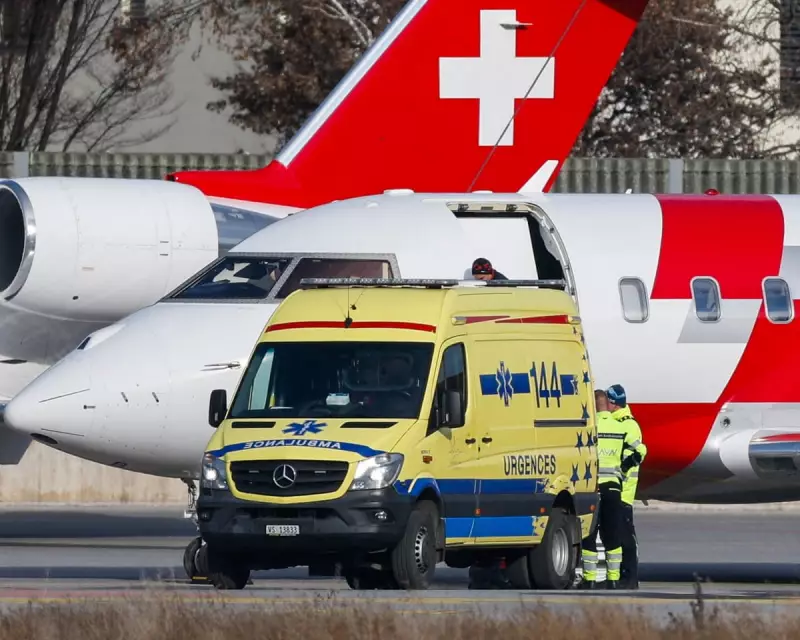
Despite Switzerland's advanced medical system, regional clinics were quickly overwhelmed. More than 30 patients were taken to specialised burns units in Zurich and Lausanne, with six others transferred to Geneva. The scale of the disaster triggered a cross-border medical response.
Many of the injured were transported to hospitals in Belgium, France, and Germany. The European Union confirmed contact with Swiss authorities regarding medical assistance. French President Emmanuel Macron offered his country's help via social media, with clinics in Paris and Lyon accepting patients. Sweden and North Macedonia also indicated they had available hospital beds.
The director of Lausanne's university hospital, Claire Charmet, reported treating 22 severely burned patients, most aged between 16 and 26. She warned that treatment would be "long and intense, lasting several weeks or even months."
International Victims and Conflicting Toll
The tragedy has an international dimension, with several countries reporting missing nationals. Italy's ambassador to Switzerland, Gian Lorenzo Cornado, stated that six Italians remain missing, with 13 hospitalised. He noted that all but five of the injured had been identified and that several Italian citizens were being repatriated.
The French foreign ministry confirmed nine French citizens were injured, with eight others unaccounted for. Australia reported one of its nationals was injured. A discrepancy emerged in the death toll, with Swiss officials citing around 40 fatalities, while Italy, based on information from Swiss authorities, put the figure at 47. Regional health official Stéphane Ganzer expressed surprise at the higher number.
Relatives and friends have turned to social media in desperate attempts to locate loved ones. One local resident, Paulo Martins, described how his son and his girlfriend narrowly missed being in the bar. A friend of his 17-year-old son was transferred to Germany for treatment with burns covering 30% of his body.
Seventeen-year-old Eleonore recounted a frantic search for missing friends, sharing photos across Instagram and Facebook. Standing outside the bar, now concealed behind white tarpaulins and temporary barriers, she lamented the lack of information, saying even the parents of the missing did not know their children's whereabouts.