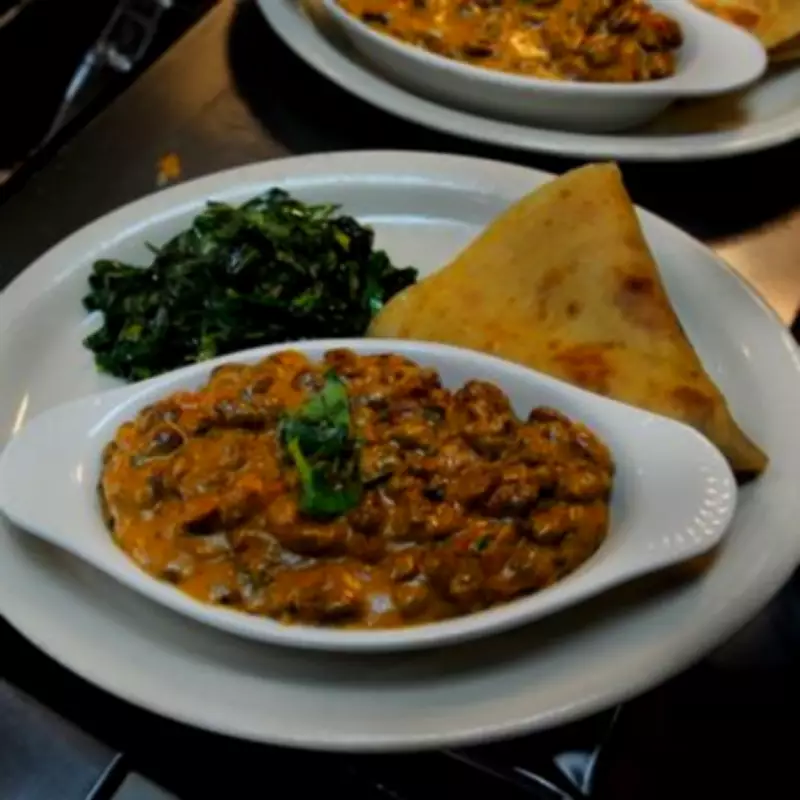
Curry's Key Ingredients Offer Powerful Heart Health Benefits
Incorporating two specific types of bean frequently found in curry dishes into your daily diet can dramatically reduce the risk of suffering a heart attack or stroke, according to groundbreaking new scientific research. The study highlights that regular consumption of chickpeas and black beans delivers substantial improvements to both cardiovascular and metabolic health, offering a simple and affordable dietary strategy for chronic disease prevention.
Study Links Bean Consumption to Improved Biomarkers
The research, a 12-week American trial involving 72 participants diagnosed with prediabetes, established a clear association between eating chickpeas and enhanced cholesterol profiles. Simultaneously, the consumption of black beans was strongly linked to a marked reduction in bodily inflammation. These two factors—high cholesterol and chronic inflammation—are major contributors to the development of serious conditions like heart disease and type 2 diabetes.
Study co-author Morganne Smith, a doctoral candidate at the Illinois Institute of Technology, explained the significance: "Individuals with prediabetes often exhibit impaired lipid metabolism and chronic low-grade inflammation. Our study found that bean consumption helped significantly lower cholesterol and reduce inflammation in these individuals." Notably, the research did not observe changes in blood glucose levels, indicating the beans' primary benefits are for cholesterol and inflammatory markers.

Practical Dietary Changes for Lasting Health
The research team designed the study to reflect real-world, free-living conditions to ensure the findings are directly applicable to everyday life. Participants were randomly assigned to consume one cup daily of either black beans, chickpeas, or a control food of rice over the 12-week period. Blood samples were meticulously analysed at the start, midpoint, and conclusion to track changes.
The results were compelling. For the group eating chickpeas, total cholesterol decreased significantly from an average of 200.4 milligrams per decilitre to 185.8 milligrams per decilitre. In the black bean group, the average level of the pro-inflammatory cytokine interleukin-6—a key marker of inflammation—dropped from 2.57 picograms per millilitre to 1.88 picograms per millilitre.
Researchers emphasise that using these beans—whether canned, dried, or frozen—as a replacement for less healthy food options is a straightforward and cost-effective way to begin integrating them into your diet. However, they caution consumers to be mindful of added ingredients like salt or sugar in pre-prepared products.
Simple Ways to Boost Your Bean Intake
Morganne Smith provided practical advice for incorporating more beans into regular meals: "There are numerous ways to add beans as a cost-effective method to support overall health. You can blend them to thicken soups, use them as a salad topping, or pair them with grains like rice or quinoa." This flexibility makes increasing consumption an accessible goal for most people.
The findings, which form part of a larger project investigating how black beans and chickpeas influence inflammation and insulin response via gut microbiome activity, were presented at the annual meeting of the American Society for Nutrition in Orlando, Florida. The researchers suggest these results could inform future dietary guidelines and public health programs aimed at preventing heart disease and diabetes, highlighting that while the study focused on adults with prediabetes, beans are a beneficial dietary component for everyone.