Daily Kitchen Sponge Replacement Recommended by Microbiology Expert
It is a common household item found in virtually every kitchen sink across the country, but the question of how frequently to change your kitchen sponge has sparked considerable debate. Now, a leading clinical microbiology expert has provided definitive guidance based on scientific research.
The Reddit Debate and Expert Verdict
Online forums, particularly Reddit, have hosted extensive discussions about sponge replacement frequency, with suggestions ranging from weekly changes to simply waiting until the sponge appears visibly dirty or develops unpleasant odours. Dr Primrose Freestone, Associate Professor in Clinical Microbiology at the University of Leicester, has now settled this ongoing debate with clear, evidence-based advice.
"How often you clean your kitchen sponge depends on what you have been using the sponge for," Dr Freestone explained to the Daily Mail. "If for something likely to be germ ridden such as dirty vegetable or raw meat or fish, then I dispose of these after a single use as it is not easy to clean all microbes off a kitchen sponge."

For general daily usage, Dr Freestone advocates for even more frequent replacement than many might anticipate. "For everyday usage, I throw my sponge away after a single day – and during this day, the sponge will get multiple antibacterial detergent treatments," she stated unequivocally.
Scientific Research Reveals Alarming Findings
To substantiate these recommendations, Dr Freestone and her research team conducted a comprehensive experiment examining sponges used for varying durations, from a single day up to five months. Throughout the study period, the sponges received occasional disinfection treatments, yet the microbial analysis conducted at the experiment's conclusion yielded disturbing results.
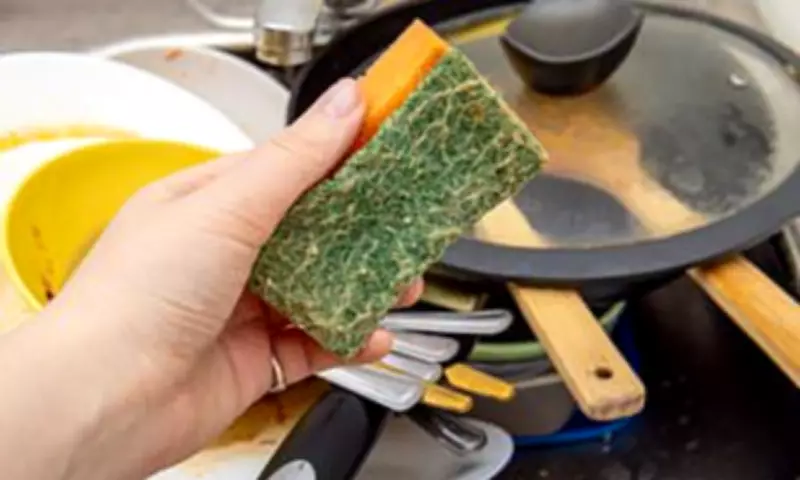
The researchers discovered "substantial bacterial numbers" present in kitchen sponges after merely fourteen hours of use, even following thorough washing with antibacterial dishwashing liquid and hot water. Sponges that had been in use for three days showed signs of being "heavily colonised" with bacteria, while those utilised for two and five months exhibited clear evidence of "fungal colonisation."
Pathogen Risks and Alternative Cleaning Tools
Dr Freestone emphasised that kitchen sponges can harbour a wide array of potentially dangerous microorganisms. "Any type of germ in your kitchen or whatever the sponge came into contact with will be in that sponge," she warned. This includes pathogens such as listeria and salmonella, alongside antibiotic-resistant bacteria that pose significant health risks.
Based on these concerning findings, Dr Freestone strongly advises adopting a daily replacement routine for kitchen sponges. "Sponges are not expensive and so dispose of them daily is my advice," she recommended, highlighting the minimal financial investment required for this important hygiene practice.
The research has prompted many hygiene-conscious individuals to reconsider their cleaning tools altogether. On Reddit, numerous users reported switching from sponges to brushes, citing concerns about microbial contamination. "I stopped using sponges and switched to brushes because I realized how gross sponges get and it freaked me out," one user commented, while another added, "I stopped using [sponges]. For any dishes that need to be hand-washed, we have a brush where you fill the handle with dish soap."
Dr Freestone acknowledged that brushes might represent a more hygienic alternative, though she cautioned that they too can accumulate harmful germs over extended periods of use. "Brushes might be more hygienic than sponges," she tentatively suggested, while still emphasising the importance of regular replacement for any cleaning implement.
Understanding Salmonella Risks
Among the pathogens highlighted by Dr Freestone, salmonella represents a particularly common kitchen hazard. This bacterial infection, frequently categorised as food poisoning, typically resides in the intestinal tracts of farm animals and spreads through faecal contamination.

Common sources include raw meat, poultry, seafood, and eggs, though proper cooking generally eliminates the bacteria. Contamination often occurs during food preparation when individuals fail to wash their hands thoroughly after handling contaminated items or using the toilet.
Symptoms of salmonella infection typically manifest within eight to seventy-two hours of exposure and may include:
- Nausea and vomiting
- Diarrhoea and stomach cramps
- Elevated body temperature exceeding 38°C
- General malaise, fatigue, and chills
While most individuals recover within several days to a week with adequate fluid intake, severe dehydration and life-threatening complications can develop if the infection spreads beyond the intestinal tract. Medical attention is recommended if symptoms persist beyond a few days, bloody stools occur, or signs of severe dehydration appear.
The University of Leicester research provides compelling evidence that kitchen sponges represent a significant vector for pathogen transmission within domestic environments. By adopting daily replacement practices or considering alternative cleaning tools, households can substantially reduce their exposure to potentially harmful microorganisms.