A biomedical science expert has conducted a thorough investigation into the relationship between dietary habits and immune system function, specifically addressing widespread claims about foods that might prevent common illnesses like colds and flu. With an abundance of anecdotal advice circulating—from consuming oranges to taking daily honey—Dr Gareth Nye, a lecturer from the University of Salford, has scrutinised the scientific evidence behind these popular assertions.
Key Vitamins for Optimal Immune Function
Dr Nye emphasised that while no diet can "super-charge" the immune system beyond its normal, healthy capacity, a balanced and varied diet is essential for supporting immune health and preventing immunodeficiency. He identified four crucial vitamins that play significant roles in maintaining and repairing the body's defences.
Vitamin C: Beyond the Common Orange
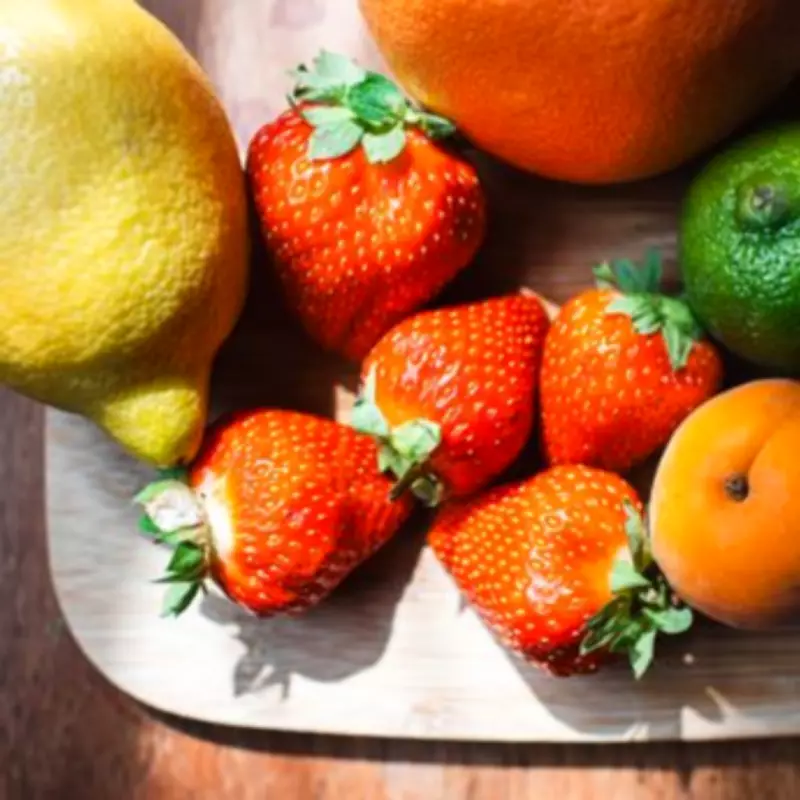
Vitamin C, also known as ascorbic acid, was highlighted as particularly important. Found abundantly in fruits such as oranges and strawberries, as well as vegetables like broccoli, Brussels sprouts, and peppers, this vitamin not only protects cells but also contributes to the health of skin, blood vessels, bones, and cartilage. The NHS endorses this perspective, noting its vital role in overall bodily function.

Vitamins A, D, and E: Supporting Respiratory Health
Dr Nye and the NHS both stress the importance of vitamins A, D, and E in controlling the immune system and maintaining the respiratory system. Vitamin D intake is especially critical during periods of reduced sunlight, such as before the clocks go forward, as the body produces less of it naturally. These vitamins help protect against infections and mitigate long-lasting symptoms by providing antioxidant capacity, which aids cells in managing inflammation.
Debunking Myths and Clarifying Misconceptions
Contrary to common beliefs, Dr Nye pointed out that colds and flu are not caused by cold weather itself. Instead, colder conditions can make the body more susceptible to symptoms and facilitate virus spread, primarily because people tend to stay indoors longer, increasing close contact. He advised getting fresh air when possible and maintaining regular hand washing with soap and warm water to reduce transmission risks.
The Role of Honey in Symptom Relief
Regarding honey, Dr Nye clarified that it likely does not ward off colds, but evidence suggests it may help alleviate symptoms. A 2020 review of 14 studies involving nearly 1,800 people with upper respiratory infections indicated that honey could improve symptoms and potentially shorten their duration by one to two days compared to usual treatments. However, these findings are observational, and more research is needed for confirmation.
Practical Dietary Recommendations
Dr Nye recommended focusing on a diet rich in fruits and vegetables while avoiding ultra-processed foods, not only when sick but as a preventive measure. He also emphasised the importance of staying hydrated by drinking plenty of fluids to prevent mucus buildup and dehydration, which can exacerbate cold symptoms.
In summary, while specific nutrients like vitamins C, A, D, and E are essential for supporting immune health, there is no magic food to completely prevent illnesses. A holistic approach to diet and hygiene remains the most effective strategy for maintaining wellness during cold and flu seasons.