NHS Doctor Clarifies When to Use Hot or Cold Packs for Pain Relief
Doctor Explains Hot vs Cold Packs for Pain and Injuries

NHS Doctor Provides Clear Guidance on Hot and Cold Therapy for Pain

When dealing with painful injuries or chronic conditions, many people instinctively reach for either a hot or cold pack, often based on advice from family or friends. However, determining which method is truly effective can be confusing. Dr Nightaf Arif, an NHS and private physician, has stepped in to clarify this common dilemma, offering evidence-based recommendations for various ailments.

Understanding the Basics: Heat vs Cold Applications

Dr Arif explains that the choice between heat and cold therapy depends entirely on the type and timing of the injury or pain. In a recent TikTok video, she highlighted that this is one of the most frequent questions she encounters, even from her own family. Her advice is rooted in both clinical experience and her comprehensive book, The Complete Family Health Guide, which took two years to compile.

Heat therapy is recommended for conditions such as arthritic pain, chronic back discomfort, and general joint aches. Heat works by dilating blood vessels, increasing blood flow to the area, which can soothe pain, reduce muscle spasm, and alleviate stiffness. Suitable methods include wheat bags, heat pads, hot water bottles, or warm baths, but care must be taken to avoid burns by using gentle warmth and protective layers like towels.

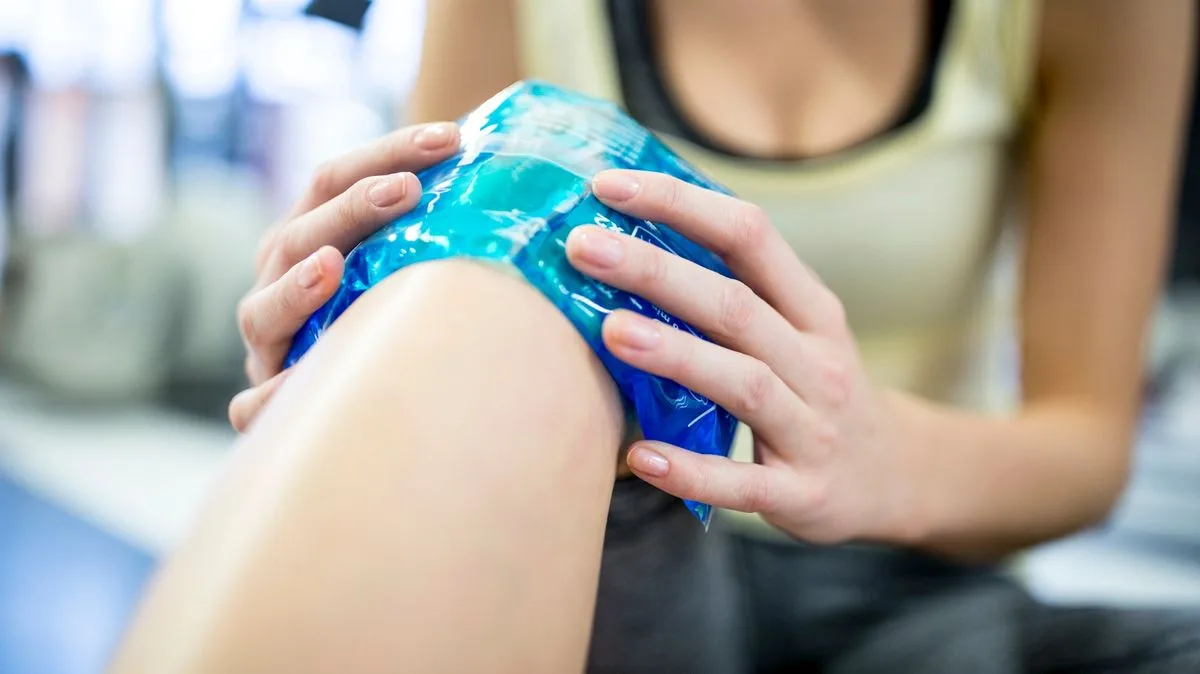
Cold therapy, on the other hand, is ideal for acute issues like sudden swelling, pulled muscles, sprains, strains, or bruises. Applying ice immediately after an injury helps limit the body's inflammatory response by reducing bleeding into tissues, preventing excessive swelling, and easing muscle pain. For best results, ice should be applied every two hours while awake during the first 24 to 48 hours post-injury.

NHS Guidelines on Ice and Heat Usage

The NHS provides additional details to support Dr Arif's recommendations. Ice treatment is particularly effective for new injuries, as it targets the underlying tissue damage and inflammation. Interestingly, ice can also be used for long-term issues like arthritis and lower back pain, offering deeper, longer-lasting pain relief compared to heat.

Heat treatment should generally be avoided on fresh injuries, as it may exacerbate swelling and discomfort. An exception is new lower back strains, where pain often stems from muscle spasm rather than tissue damage, making heat more beneficial. The NHS emphasizes that both therapies can be reapplied after an hour if necessary, but monitoring the skin regularly is crucial to prevent damage.

Empowering Families with Medical Knowledge

Dr Arif's book aims to demystify health advice for the public, drawing on her extensive experience as a general physician. She describes it as a "labour of love" designed to provide straightforward, empowering medical guidance. By understanding when to use hot or cold packs, individuals can better manage pain and support healing, reducing reliance on guesswork or outdated remedies.

In summary, while both heat and cold have their places in pain management, the key is matching the therapy to the specific condition. For chronic or stiffness-related pain, heat is often the answer; for acute injuries with swelling, cold is typically more effective. Always consult a healthcare professional for persistent or severe issues, but these guidelines offer a solid starting point for everyday ailments.