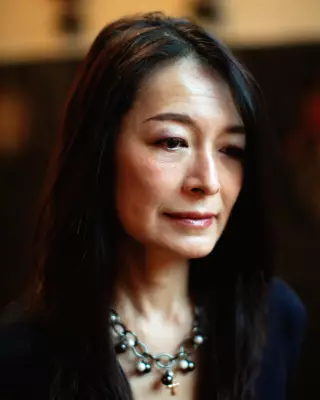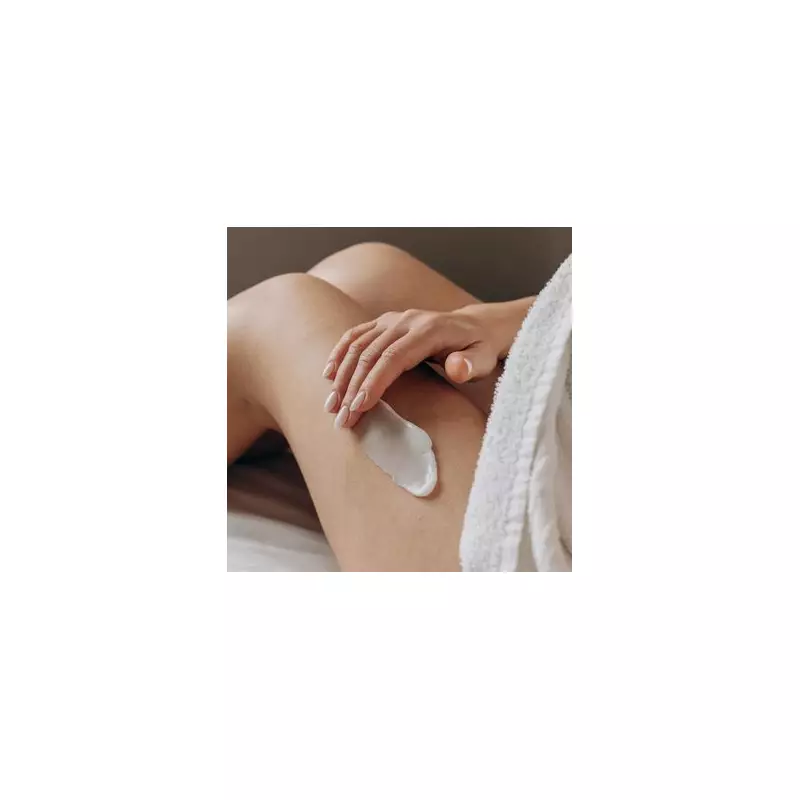
A prominent aesthetics doctor has issued crucial guidance for individuals seeking to improve the appearance of stretch marks, directly challenging the efficacy of several popular home remedies. Dr Noman Mohamed, an MBBS BSc MRCGP qualified practitioner based in London with a special interest in cosmetic dermatology, shared his expert analysis via social media, where he commands a significant following.
Why Common Remedies Often Fail
In a detailed video posted to his TikTok account, which boasts over 400,000 followers, Dr Mohamed addressed a widespread misconception. He emphasised that stretch marks are fundamentally a type of scar tissue, resulting from the rapid stretching of skin which damages its collagen and elastin fibres. While he stressed that these marks are completely normal, he acknowledged the common desire to minimise their visibility.
"This is crucial to know if you're going to stand any chance at improving your stretch marks," Dr Mohamed told his audience. "So here are three things that actually work because that vitamin E oil, shea butter, and cocoa butter, they're probably not gonna work." His statement directly questions the value of these widely used natural butters and oils, which lack robust scientific backing for scar revision.

Doctor's Recommended Treatment Protocol
Dr Mohamed outlined a clear, three-step skincare regimen based on ingredients with stronger clinical support for improving the appearance of early-stage, red stretch marks.
- Hyaluronic Acid: Apply a serum or moisturiser containing hyaluronic acid daily, massaging it thoroughly into the affected areas.
- Tretinoin: Use tretinoin, a potent retinoid, on a daily basis. He issued a critical warning: "You can't use tretinoin if you're pregnant."
- Centella Asiatica: Incorporate products containing centella, such as the La Roche-Posay Cicaplast Baume, known for its skin-soothing and repair properties.
The doctor highlighted a vital caveat: topical skincare is primarily effective only while stretch marks remain in their initial red or purple phase. "Once they turn white, it's game over for skincare alone," he explained, noting that professional interventions like microneedling or chemical peels become necessary for older, silvery-white marks.
NHS Perspective on Stretch Marks and Treatment
Official guidance from the National Health Service corroborates the doctor's view on the limitations of over-the-counter products. The NHS states that stretch marks are very common, harmless, and often become less noticeable naturally over time. They are frequently associated with pregnancy, rapid weight changes, or family history.
"Many creams and lotions claim to prevent, reduce or remove stretch marks. But there's very little evidence these work," the NHS advice page clarifies. It lists treatments that may help improve appearance, including microdermabrasion, laser therapy, retinoid (tretinoin) creams, and hyaluronic acid—mirroring Dr Mohamed's recommendations. However, the NHS explicitly notes these cosmetic procedures are not typically available through its services and would require private consultation.
The combined insights from a practising aesthetics doctor and the national health body provide a realistic framework for managing expectations. They steer the public towards more evidence-based approaches while cautioning against unverified claims from countless commercial skincare products.