Medical Professionals Outline Comprehensive Guide to Bidet Usage and Benefits
Once regarded as unusual fixtures in American households, bidets have transformed into increasingly common bathroom features as more individuals seek hygienic and sustainable alternatives to traditional toilet paper. The global COVID-19 pandemic, with its accompanying toilet paper shortages, played a significant role in introducing these devices to wider American audiences, though countries like Italy and Japan where bidets are standard also experienced similar supply issues. Growing environmental consciousness, more affordable bidet options, and the development of sophisticated smart toilets with multiple functions have further accelerated adoption of this rinsing-based approach to personal hygiene.
Bidets Gain Cultural and Political Recognition
The devices recently entered national discourse when New York City's new mayor, Zorhan Mamdani, expressed interest in installing bidets within Gracie Mansion, the historic 18th century Manhattan residence serving as the official home for the city's chief executive. This announcement highlighted how bidets are transitioning from niche products to mainstream considerations in American culture and infrastructure.
Understanding Bidet Options and Accessibility
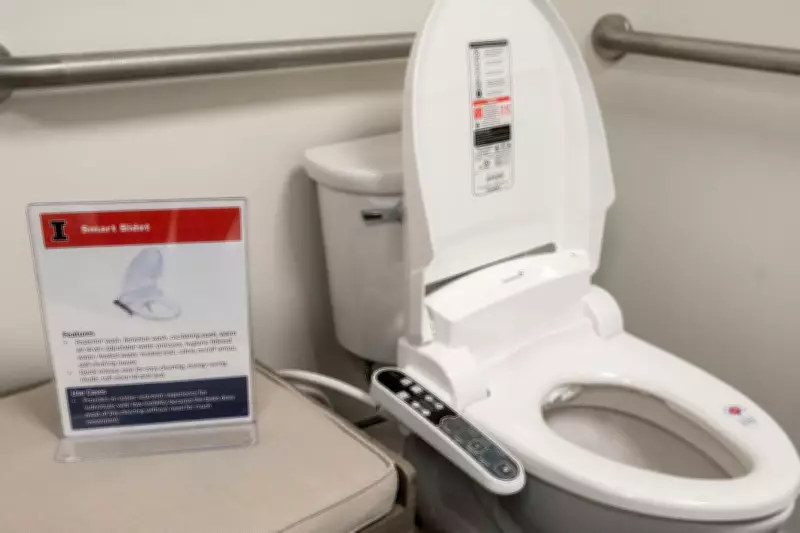
Bidets function by directing a water stream to cleanse genital and anal areas after bathroom use. Originally designed as separate fixtures from toilets, contemporary options now include toilet seat attachments, handheld versions resembling detachable shower heads, and integrated features within advanced "smart" toilets that offer heated seats, adjustable water pressure, and air drying capabilities. For those seeking budget-friendly alternatives, social media platforms like YouTube host demonstrations for creating portable bidets using simple plastic soda bottles.

Proper Bidet Etiquette and Technique
Enthusiastic converts frequently praise the superior cleanliness bidets provide, but medical experts emphasize that proper technique is essential for maximizing hygiene benefits. Dr. David Rivadeneira, a colorectal surgeon based in Huntington, New York, recommends that users particularly women should face the controls when activating standalone or toilet-installed bidets to ensure washing occurs from front to back. This positioning prevents bacterial transfer from anal regions to the urethra, reducing infection risks.
Most healthcare professionals advise using warm water at low pressure for durations up to several minutes, avoiding extreme temperatures that could cause discomfort or skin damage. While gentle soap may be used occasionally, regular bidet users typically find it unnecessary. Dr. Rivadeneira specifically cautions against attempting to inject water internally, clarifying that "you're not supposed to be substituting it for a colonic or an enema." After rinsing, experts recommend patting dry with toilet paper or a dedicated cotton towel to remove residual matter and prevent yeast infections.
Optimal Usage Frequency and Maintenance Requirements
Bidets prove most beneficial following bowel movements and can be used daily, though medical authorities warn that excessive use may lead to skin irritation. Proper maintenance is equally crucial according to Dr. Neal H. Patel, a family physician with Providence St. Joseph Hospital in Orange County, California. He advises wiping the nozzle with disinfectant wipes every one to two weeks to eliminate bacterial buildup and ensure continued hygienic operation.
Documented Health Benefits and Medical Applications
Dr. Danielle Antosh, a Houston-based urogynecologist, notes that preliminary studies suggest bidets leave fewer bacteria on users' hands compared to toilet paper, though research remains limited. Physicians who advocate for bidet usage highlight how water streams prove gentler on sensitive skin than abrasive toilet paper textures. Dr. George Ellis, a urologist practicing in Orlando, Florida, explains that "the texture of toilet paper can cause irritation and itching, while the gentle water stream of a bidet is less abrasive and healthier for the skin."

Medical experts identify several populations who may particularly benefit from bidet usage, including individuals with hemorrhoids, those recovering from surgical procedures, people with limited mobility due to age or disabilities, patients experiencing chronic diarrhea requiring frequent wiping, and those prone to urinary tract infections. Bidets may also alleviate discomfort associated with fistulas and anal fissures while promoting independence for people with physical limitations, potentially reducing caregiver workloads predominantly carried by women.
Three dermatologists from the University of Tennessee Health Science Center emphasized in a 2023 International Journal of Women's Dermatology editorial that healthcare providers should recognize bidet prevalence beyond American culture and feel comfortable recommending them, particularly for patients with perianal skin conditions like eczema, psoriasis, and contact dermatitis.
Potential Limitations and Contraindications
Despite numerous benefits, bidets represent another example where excessive use can create problems. Japanese physicians have advised patients reporting rashes or bowel control difficulties following frequent cleansing to discontinue bidet use until symptoms resolve. Dr. Antosh recommends consulting healthcare providers before using high-pressure bidets after childbirth or with genital ulcers, as powerful water streams may cause irritation. Dr. Jenna Queller, founder of DermWorks in Boca Raton, Florida, extends similar cautions to individuals with genital eczema or psoriasis, suggesting moisturization after bidet use to prevent skin irritation.
While bidets may relieve anal itching, Dr. Rivadeneira stresses that persistent bleeding from fissures or hemorrhoids warrants immediate medical consultation, as these symptoms could indicate more serious underlying conditions requiring professional diagnosis and treatment.
Environmental Considerations and Sustainability Factors
Most environmental organizations and scientists recognize bidets as greener alternatives to toilet paper. The nonprofit Natural Resources Defense Council recently reported that these devices "significantly cut down on the use of toilet paper, helping to lessen the environmental impacts associated with tissue production." However, Professor Gary Bull, forestry emeritus at the University of British Columbia, notes that comprehensive environmental assessment requires examining entire product life cycles, including manufacturing emissions, energy consumption, and water usage.
Professor Bull, who recently installed a Japanese bidet in his home, acknowledges their benefits while emphasizing that "if I'm doing an honest assessment cradle to cradle, then I have to look at the water consumption, the energy consumption, a whole bunch of other things, to know whether or not that is a better choice for me as a consumer versus toilet tissue." Professor Andrea Hicks from the University of Wisconsin's civil and environmental engineering department suggests considering regional climate conditions, noting that toilet paper might represent the more sustainable choice in water-stressed regions like Arizona, while bidets could prove environmentally preferable where water resources are abundant.