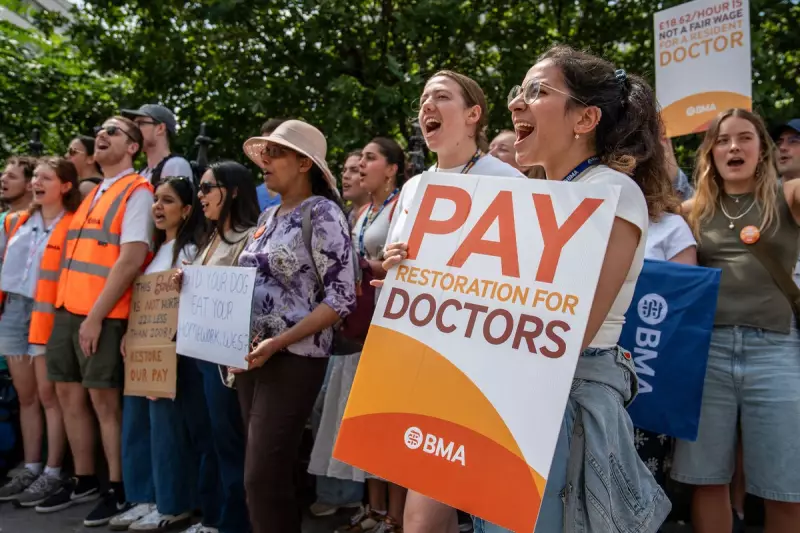
Junior doctors in England have begun a five-day strike, marking the latest escalation in their ongoing dispute over pay and working conditions. The walkout coincides with controversial government proposals to enforce minimum service levels during industrial action, sparking a heated debate about workers' rights and the sustainability of the NHS.
Government Faces Backlash Over Minimum Service Plans
Business Secretary Kemi Badenoch has defended the proposed legislation, arguing it would prevent 'excessive disruption' to essential services. However, unions and opposition parties have condemned the move as an attack on the fundamental right to strike.
The British Medical Association (BMA) maintains that junior doctors have seen a 26% real-terms pay cut since 2008, while ministers insist their current pay offer is fair and final.

NHS Braces for Significant Disruption
Hospital leaders warn the prolonged strike action will lead to:
- Mass cancellations of routine appointments and surgeries
- Increased pressure on emergency services
- Growing waiting list backlogs
NHS England has implemented contingency plans, prioritising emergency and critical care during the industrial action.
Political Battle Lines Drawn
The dispute has become increasingly politicised, with Labour accusing the government of failing to negotiate in good faith. Shadow Health Secretary Wes Streeting called for 'meaningful talks' to resolve the conflict, while Conservative ministers insist unions must compromise.
As the strike continues, all eyes remain on whether either side will blink first in this high-stakes standoff affecting millions of patients across England.