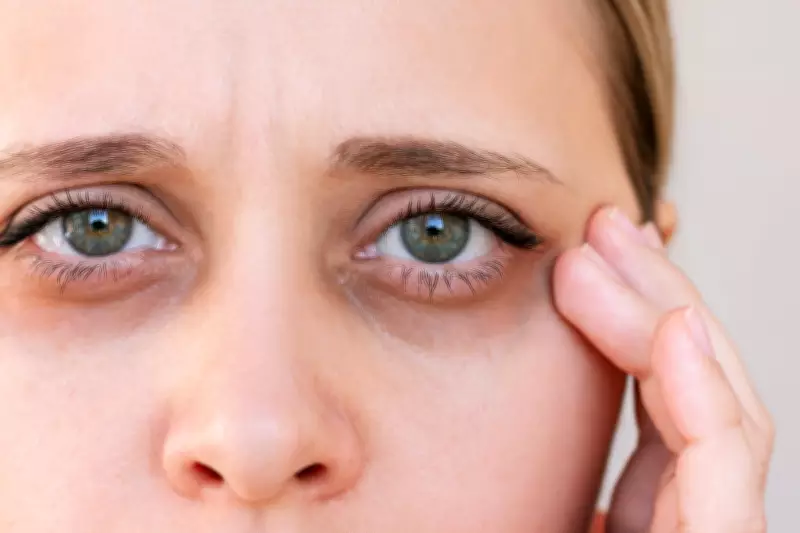
Medical professionals are raising significant concerns about the current online obsession with cortisol, widely known as the 'stress hormone'. Wellness influencers frequently attribute various symptoms to chronically high cortisol levels, including waking at 3 am, facial swelling described as 'cortisol face', and increased abdominal fat. These influencers often promote specific diet and exercise regimens as solutions.
Medical Experts Challenge Popular Narratives
However, endocrinologists and healthcare specialists are largely dismissing the notion that supplements or influencer recommendations are necessary for cortisol management. They emphasise that such approaches are highly improbable to be effective and caution against hastily labelling this essential hormone as a villain. The consistent medical advice is clear: if genuine concerns about cortisol levels arise, individuals should consult qualified healthcare professionals rather than relying on unverified online information.
Cortisol's Essential Biological Functions
Cortisol is a vital hormone produced by the adrenal glands, located above the kidneys, that plays crucial roles in numerous bodily functions. It helps regulate inflammation, supports immune system responses, influences metabolism, maintains blood pressure, and assists with many other physiological processes. This hormone demonstrates remarkable sensitivity to both internal bodily states and external environmental factors.

"Our cortisol level is regulated by the minute," explained Dr. Roberto Salvatori, a distinguished endocrinologist at Johns Hopkins University. "It is very sensitive." Cortisol follows natural daily rhythms, typically rising in the morning to help with waking and gradually decreasing throughout the evening to facilitate sleep. It also increases during illness or periods of significant stress, according to medical experts.
Understanding Cortisol Disorders
True cortisol disorders are relatively uncommon in the general population. When cortisol levels remain chronically low, medical professionals diagnose adrenal insufficiency, which includes autoimmune conditions like Addison's disease where the immune system attacks the adrenal glands. Conversely, Cushing's syndrome involves excessively high cortisol levels, often caused by benign tumors in the adrenal or pituitary glands, typically treated through medication, surgery, or combined approaches.
The Risks of Self-Ordered Testing
Symptoms associated with cortisol imbalances are broad and frequently overlap with other health conditions, making accurate diagnosis challenging without professional medical oversight. Adrenal insufficiency might manifest as fatigue, unintentional weight loss, low blood pressure, and reduced appetite. Cushing's syndrome symptoms can include weight gain (particularly around the face and abdomen), high blood pressure, brittle bones, abnormal hair growth in women, and sleep disturbances.
"There's a lot of nuance to interpreting cortisol and that's what makes me a little bit nervous about patients getting cortisol testing for themselves without having some kind of physician oversight," cautioned Dr. Katie Guttenberg, an endocrinologist at UTHealth Houston. She noted that single cortisol blood tests rarely provide useful information for most individuals and could lead to unnecessary stress and medical follow-ups. For instance, women using birth control often show falsely elevated cortisol readings due to how contraceptive medications interact with testing mechanisms.
Questionable Supplement Claims
Endocrinologists emphasise that no over-the-counter treatments have been scientifically proven to effectively regulate cortisol levels, despite widespread claims about supplements like ashwagandha and magnesium supposedly "lowering cortisol." Dr. James Findling, an endocrinologist with the Medical College of Wisconsin, expressed particular concern about people consuming unregulated supplements whose exact contents remain unclear.
"They're not innocuous," Dr. Findling warned. Even for patients with diagnosed Cushing's syndrome, medications require careful dosing because overcorrection could dangerously lower cortisol levels and create additional health complications, added Dr. Salvatori.

Effective Stress Management Approaches
Medical professionals acknowledge a condition called "pseudo Cushing's syndrome," which produces similar physical effects despite the absence of tumors, often linked to alcoholism or other chronic issues. Treatment typically involves addressing underlying causes rather than directly targeting cortisol levels.
For the overwhelming majority of healthy individuals, doctors recommend returning to fundamental stress management principles rather than fixating on a single hormone. These evidence-based approaches include maintaining balanced nutrition, ensuring adequate sleep, engaging in regular physical activity, and considering therapeutic support when needed.
"Nothing new about any of that," Dr. Findling remarked, highlighting that established wellness practices remain more reliable than chasing elusive hormonal solutions promoted through wellness trends.