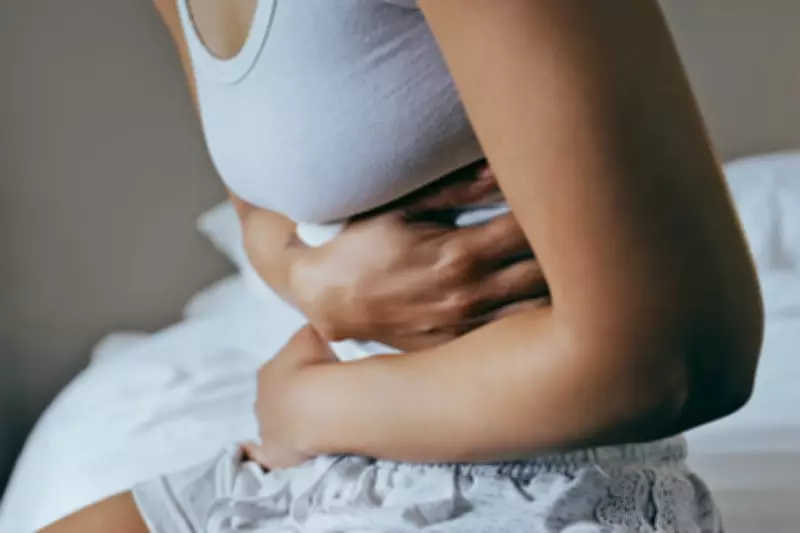
Endometriosis Diagnosis Delays: The Warning Signs Women Must Know
Despite affecting one in ten women across the United Kingdom, obtaining a formal diagnosis for endometriosis frequently requires years of persistence and struggle. For this week's episode of The Independent's Well Enough podcast, endometriosis advocate and general practitioner Dr Raj Arora detailed the specific symptoms that warrant closer attention and explained how patients can better advocate for themselves during general practitioner consultations.
The Painful Reality of Delayed Diagnosis
"By the time I received my endometriosis diagnosis after seventeen years, the condition had spread to my lungs," shares one patient. Another recounts, "Medical professionals ignored my symptoms for nearly two decades, and now I depend on crutches for mobility." A third woman reveals, "My pain was dismissed for twenty-seven years until I required a complete hysterectomy and a stoma."
These narratives, while distressing, remain tragically common within women's healthcare. The journey to secure help for severe menstrual or endometriosis symptoms is often excruciatingly slow, with diagnostic timelines frequently exceeding a full decade. No known cure exists for endometriosis, and medical science still lacks a definitive understanding of its underlying causes. Historic underfunding continues to hamper scientific research into this pervasive condition.

March marks Endometriosis Awareness Month, yet the disorder is still widely mischaracterised and minimised as merely "a bad period." Dr Raj Arora, a GP who personally lives with endometriosis, stated on the podcast, "My periods were always profoundly painful. Every month, I would be confined to bed with extreme discomfort. When I discuss this on social media, I am consistently alarmed by how many women respond, resonating with my experiences while having no awareness it could indicate endometriosis."
Recognising the Symptoms
For Dr Arora, achieving a diagnosis required eleven years. She attributes part of this delay to her South Asian upbringing, where her mother and grandmother reinforced that period pain was normal, leading her to dismiss potential health issues for years. Cultural expectations to persevere without complaint, combined with stigma surrounding intimate health discussions, compelled Dr Arora to ignore her body's distress signals. She assumed her experience was typical and avoided drawing attention to her suffering.
This tendency to suppress discomfort persisted into her adult life and medical career. Reflecting on her early years as a junior doctor, she recalls, "During surgical placements, I would be in the operating theatre at 6 a.m., scrubbing in with senior colleagues while sweating from intense cramps. I constantly worried about vomiting. Pain relief medications proved utterly ineffective. Each time, I questioned how I would endure the entire surgical procedure."
Understanding Endometriosis
Dr Arora is particularly dedicated to combating the misconception that endometriosis is solely a gynaecological concern. The condition arises when endometrial tissue, which normally lines the uterus and sheds during menstruation, develops on other organs such as the ovaries or bowel. When this tissue proliferates in these ectopic locations, it cannot shed properly and remains trapped within the body. This leads to chronic inflammation and scar tissue formation, potentially causing organs to adhere together.
The most prevalent symptoms of endometriosis include:
- Heavy menstrual bleeding, defined by the NHS as requiring pad or tampon changes every one to two hours or experiencing clothing bleed-through.
- Severe period pain.
- Pelvic pain affecting the lower abdomen and back.
- Bowel and bladder pain or dysfunction.
- Profound fatigue.
For Dr Arora, realisation finally dawned when she encountered difficulties conceiving. Following fertility tests, she discovered an endometrioma, commonly called a "chocolate cyst," on her ovary, along with adhesions affecting her left ovary. While she successfully conceived despite her condition, many women face fertility challenges due to endometriosis, though the precise mechanisms remain unclear.

Distinguishing Endometriosis from Typical Menstrual Discomfort
The primary differentiator is symptom severity. "Painful periods are crucial indicators," Dr Arora explains. "Periods can be uncomfortable, which is normal. Mild cramping, fatigue, and back pain are common. With these symptoms, daily life usually continues uninterrupted."
The critical moment for concern arises when typical symptoms become overwhelming and debilitating. "With endometriosis, the pain is severe. Cramps are so intense they prevent you from leaving bed, induce nausea, or cause excessive sweating. Significant blood loss is another vital sign. If you are bleeding through heavy-duty sanitary products or passing clots larger than a fifty pence piece, these could signal an underlying abnormality."
Action Steps for Symptomatic Individuals
Consulting a general practitioner remains the essential first step when health concerns arise. Dr Arora emphasises, "If you ever feel unheard during a consultation, please advocate for yourself and request a second opinion. This can be within the same GP practice—simply schedule an appointment with a different doctor."
Whenever feasible, she recommends preparing thoroughly before the initial medical appointment. Maintaining a detailed symptom diary not only enhances personal awareness but also presents patterns, triggers, and symptoms in a format that GPs can efficiently evaluate. "Document specifics: what occurs each month, your period duration, pain intensity, and sanitary product usage. Having this information readily available is immensely helpful, particularly if appointment waits are prolonged."
Dr Arora also advises utilising available resources. As an ambassador for Endometriosis UK, she highly recommends their menstrual helpline and online symptom checker tools.
Treatment and Management Approaches
While no cure exists for endometriosis, surgical interventions and medications can alleviate symptoms. Surgery typically involves laparoscopy, a minimally invasive keyhole procedure performed under general anaesthesia. Hormonal medications like the combined contraceptive pill may help reduce hormonal influences contributing to the condition. Heat therapy, including transcutaneous electrical nerve stimulation machines, is also recommended for pain management.
Dr Arora endorses these treatments but underscores the importance of lifestyle modifications. "Dietary adjustments and graded exercise provided the most significant improvements for me. I was never athletic and maintain a busy schedule, but practices like mindfulness, Pilates, yoga, meditation, and breathing techniques genuinely help ground you and reduce pain perception. As a result, I now require less pain medication."