







The Independent's journalism is supported by our readers. When you purchase through links on our site, we may earn commission.
'I was bed-bound with endometriosis for half the month – until I changed what I ate'
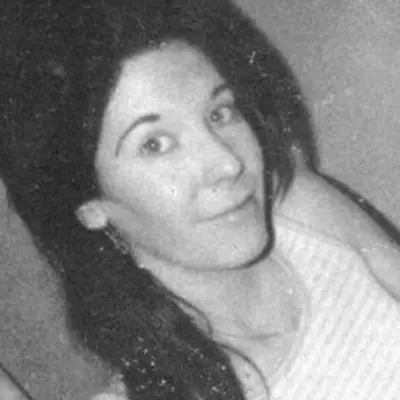
After enduring years of agonising pain and feeling dismissed by medical professionals, Sophie Richards faced a stark choice: undergo radical surgery or explore alternative paths. She chose the latter, transforming her diet by cutting out ultra-processed foods and embracing anti-inflammatory eating. Remarkably, her debilitating endometriosis symptoms virtually disappeared. She shares her journey with Lauren Taylor.
Thursday 29 January 2026 06:00 GMT
Sophie Richards describes feeling ignored by doctors for years, despite being rendered "bed-bound" for two weeks every month. This continued until she received an endometriosis diagnosis and radically altered her nutritional approach.
The women's health practitioner and host of The Finally Found Podcast recalls feeling like she was "screaming at doctors" about a serious underlying issue. Repeatedly, she was told her suffering was "just IBS or just painful periods – it's 'part of being a woman'."
Her life was dominated by agonising pain, brain fog, nausea, fatigue, and extremely heavy periods lasting up to ten days. She finally received a diagnosis at age 21. Now 29, Richards reflects that doctors weren't unwilling to help; they simply lacked the necessary answers.
The Endometriosis Diagnosis Challenge
Endometriosis UK estimates that 10 per cent of women suffer from this chronic condition, where tissue similar to the uterine lining grows outside the uterus. Shockingly, it takes an average of eight years from the first GP visit to secure a diagnosis.
With no known cure, Richards, based in Cardiff, was informed that little could be done to alleviate her symptoms except a hysterectomy. "That this was my life, and I just thought, 'there is no way I can carry on in this agonising pain'," she remembers.
The pain peaked twice monthly: "In the middle of my cycle and then just before my period, the luteal phase, were absolutely excruciating. For at least two weeks of the month, I was bed-bound."
Discovering the Food Connection
However, Richards observed a pattern: her symptoms frequently worsened after certain meals. "I started to do a little bit more digging and some research, and saw this link between inflammation and endometriosis," she explains. This insight prompted her to train as a women's health practitioner. She began eliminating inflammatory foods and documenting her progress on Instagram.
"I was really sceptical. I thought, 'How on earth are lifestyle changes going to help when I've had four surgeries (including two for egg freezing) and they're all telling me nothing's going to work. But I just thought, you know what? What's the harm?"
Her previous diet was typical for a university student, lacking nutritional awareness. "I thought what was healthy was a vegetable lasagne instead of a meat lasagne – it was very processed, I was eating lots of protein bars. I grew up thinking calories were bad, so anything that had 'low calorie' and 'low fat' I thought was a green sign," she admits. "In my mind, I was eating healthy food, but the reality was very, very different."
Implementing Change and Seeing Results
By introducing small daily habits, Richards noticed immediate improvements. "My periods are a little bit lighter, which was crazy because I used to flood through all my pads and tampons, and I wasn't flooding anymore."
This journey culminates in her debut book, The Anti-Inflammatory 30-Day Reset. It distils her lived experience, research, expert knowledge, and recipes into six foundational pillars: food, gut health, detoxification, sleep, stress, and movement.
Dietary change proved most impactful. "There were some meals that I would eat and, straight after it, I'd be doubled over [with] a big swollen belly, and just didn't understand why," she recalls. "Looking back, it was more heavily processed foods. Basically, the more complicated the ingredients were, the more artificial the chemical sweeteners, the worse the symptoms were."
Artificial carbohydrates like white pasta and highly processed breads were particularly problematic. Her book includes a grain-free seeded bread recipe, which she says is "actually the only bread I can have that doesn't make me feel awful."
"I used to eat gluten and it would swell me up," she adds. "I'd have this huge kind of migraine after it. So processed foods, gluten and dairy, I'd say, were the three key things." Consequently, all her recipes exclude ultra-processed foods (UPFs), gluten, and dairy, featuring dishes like chicken karahi with quinoa and pistachio-crusted cod.
Tailoring Nutrition for Endometriosis
Richards incorporates one portion of high-quality red meat weekly to combat anaemia, a common issue for those with endometriosis due to blood loss. Recipes include smoky chorizo beef and Greek-style lamb chops.
While dietary changes brought her rapid relief, she acknowledges individual variation. "We're all unique, we're all individuals," she notes, emphasising that inflammation remains a complex, not fully understood topic.
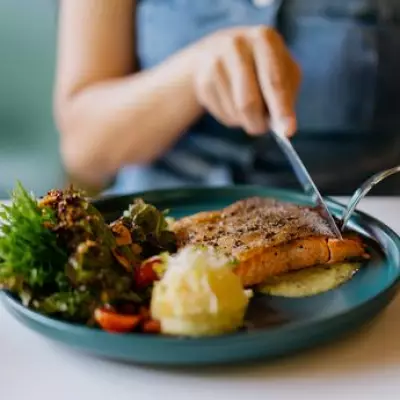
"But, from what we do know, it's very clear that there are different points in the cycle that are more inflammatory. And it is really clear that some foods can cause inflammation over others. The general consensus is [to] move to a whole food way of eating," she advises. "When something doesn't have a label, it's a good sign. So I always think; meat, fish, fruit, veg, nuts, seeds, grains, legumes. When you move to that way of eating, you lower inflammation. Fibre is so important to the gut, it helps with hormones and helps with inflammation."
Managing Cravings and Embracing Balance
For battling sugar or junk food cravings, Richards offers practical advice: "First of all, remember it's totally normal – these foods are built to make you feel addicted to them." She recommends balancing blood sugar with protein, fats, and "nature's carbohydrates," and understanding the "why" behind dietary choices.
"The more sugar you eat, typically, the more you will crave it. Now I don't eat any rubbish, and I don't crave any rubbish because I've been eating this way for so long," she states.
This doesn't mean forsaking treats. Her book includes recipes for chocolate chip macadamia cookies and sticky toffee pudding. "It's not about giving up anything. It's just about making those healthier swaps. There are plenty of sweet treats that don't take you on that roller coaster of cravings."
Life Beyond the Symptoms
Adopting an anti-inflammatory lifestyle has also dramatically improved Richards' mood. "I didn't even realise I was struggling until I'd almost come out of the fog. I wasn't feeling down all the time."
While endometriosis remains a part of her life, it no longer dominates it. "I have endometriosis but because I'm not feeling the symptoms of it anymore – I can live with anything if it's not affecting me."
'The Anti-Inflammatory 30-Day Reset' by Sophie Richards (Michael Joseph, £22) is available now.
Featured Recipe: High-Protein Scotch Eggs (Grain-Free)
"These fancy high-protein Scotch eggs elevate a classic recipe with an even better mushroom and walnut paste, which isn't just tastier than the original, but also adds depth, fibre and a touch of umami," says Richards.
Makes: 4
Ingredients:
- 5 eggs
- 1 tbsp olive oil
- 100g chestnut mushrooms, finely chopped
- 40g walnuts, toasted and finely chopped
- 1 clove of garlic, minced
- 1 tsp dried thyme
- 1 tsp tamari
- 1 tsp freshly ground black pepper
- 400g high-quality gluten-free sausage meat
- A pinch of cayenne pepper (optional)
- 1 tsp dried sage or rosemary
- ½ tsp garlic powder
- Sea salt, to taste
- 1 beaten egg
Method:
- Preheat the oven to 200C (fan). Boil 4 eggs for 6 minutes, cool, and peel.
- For the paste, sauté mushrooms, walnuts, garlic, thyme, tamari, and ½ tsp pepper for 5 minutes. Blend into a rough paste and cool.
- Mix sausage meat with herbs, garlic powder, cayenne, salt, and remaining pepper. Divide into 4 portions.
- Flatten each portion, spread with paste, and wrap around a peeled egg.
- Coat in beaten egg and chosen coating. Bake for 20-25 minutes, turning halfway.
- For mustard mayo, mix 3 tbsp mayonnaise with 1 tsp Dijon mustard and lemon juice.
Nutrition per serving: 679Kcals, 11.4g net carbs, 6.1g fibre, 52g fat, 36.9g protein.