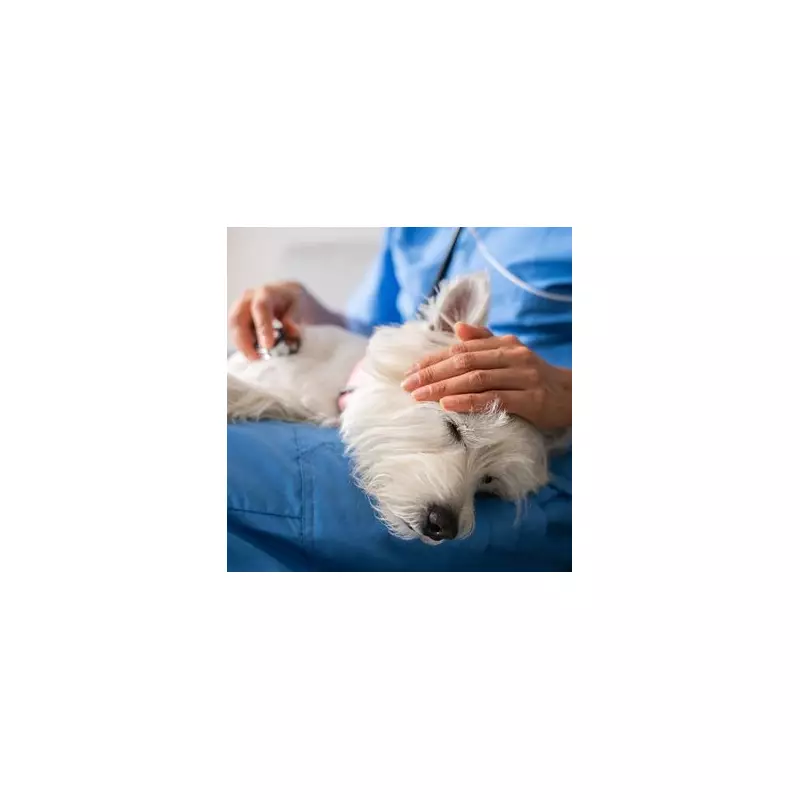
Dog owners across the UK are being issued a crucial warning about a popular household item that many may not realise poses a significant threat to their beloved pets. Despite often being marketed as 'natural' products, certain essential oils and the diffusers used to disperse them can be genuinely dangerous for canines, according to professional trainers and veterinary experts.
The Hidden Risks in Your Home
An assistant dog trainer from Derbyshire has sounded the alarm about the potential hazards that essential oils present to dogs. Holly, who works at Will Atherton's Canine Centre, recently took to social media platform TikTok to highlight this concerning issue that many pet owners remain unaware of.
"Let's talk about something most owners don't even realise can harm their dog," Holly stated in her video message. "Essential oils and diffusers might make your home smell nice, but for dogs, they can be genuinely dangerous."

How Essential Oils Affect Canine Health
The problem lies in how these products function within domestic environments. When using a diffuser, essential oils don't simply scent the air; they release microscopic droplets and volatile organic compounds that dogs can inhale directly into their respiratory systems.
Dogs possess far more sensitive airways and a significantly stronger sense of smell than humans, making them particularly vulnerable to these concentrated vapours. The consequences can range from mild irritation to severe health complications.
"That concentrated vapour can irritate their lungs, trigger coughing, or in some cases, cause chemical burns inside the respiratory tract," Holly explained, emphasising the seriousness of the issue.
Specific Oils to Avoid
Certain essential oils present particularly high risks to canine health. Holly specifically highlighted tea tree, eucalyptus, peppermint, cinnamon, pine, citrus, and ylang-ylang oils as especially problematic.
Even minimal exposure through skin absorption or repeated inhalation can lead to distressing symptoms in dogs. These may include:
- Excessive drooling and salivation
- Noticeable tremors and shaking
- Unusual lethargy and weakness
- Potential liver toxicity in severe cases
"There are multiple veterinary reports and toxicology studies documenting this," Holly added. "The ASPCA and Pet Poison Helpline both list these oils as toxic to dogs and cats."
Veterinary Support for These Concerns
Holly's warnings are supported by veterinary professionals across the country. Dr Suzanne Moyes, an in-house veterinarian at Burgess Pet Care, recently told national media that both diffusers and scented candles may pose serious risks to pet health.
This concern extends beyond just dogs and cats to include smaller household pets as well. "Many pet owners don't realise that a lot of common cleaning products and other household items, such as candles, are toxic to pets, and pose a serious risk to their health," Dr Moyes stated last year.
She particularly emphasised the vulnerability of small animals like rabbits and guinea pigs to these airborne irritants, noting that their delicate respiratory systems can be severely affected.
Creating a Pet-Safe Environment
Despite these warnings, experts acknowledge that essential oils can be used safely in homes with pets if proper precautions are taken. Dr Sandra Mitchell, a veterinarian writing for PetMD, offers practical advice for concerned pet owners.
"If you would like to use essential oils in your home, it can be done safely," Dr Mitchell assured. "Be sure to keep ALL essential oils—whether considered toxic for dogs or not—well out of reach of curious paws."
She recommends using these products only in well-ventilated spaces and ensuring complete drying of any surfaces cleaned with essential oil products before allowing pets to have contact with them.
Comprehensive List of Problematic Oils
PetMD has identified twelve essential oils that are generally harmful to dogs, noting that toxicity can occur through both ingestion and skin exposure. The complete list includes:

- Ylang ylang
- Cinnamon
- Wintergreen
- Clove
- Citrus varieties
- Sweet birch
- Peppermint
- Tea tree (melaleuca)
- Pine
- Pennyroyal
- Hyssop
- Lemongrass
Pet owners are encouraged to adopt a safety-first approach when selecting scented products for their homes, prioritising pet wellbeing over aromatic preferences. By choosing low-risk ingredients and implementing proper safety measures, households can maintain pleasant environments without compromising their pets' health and comfort.