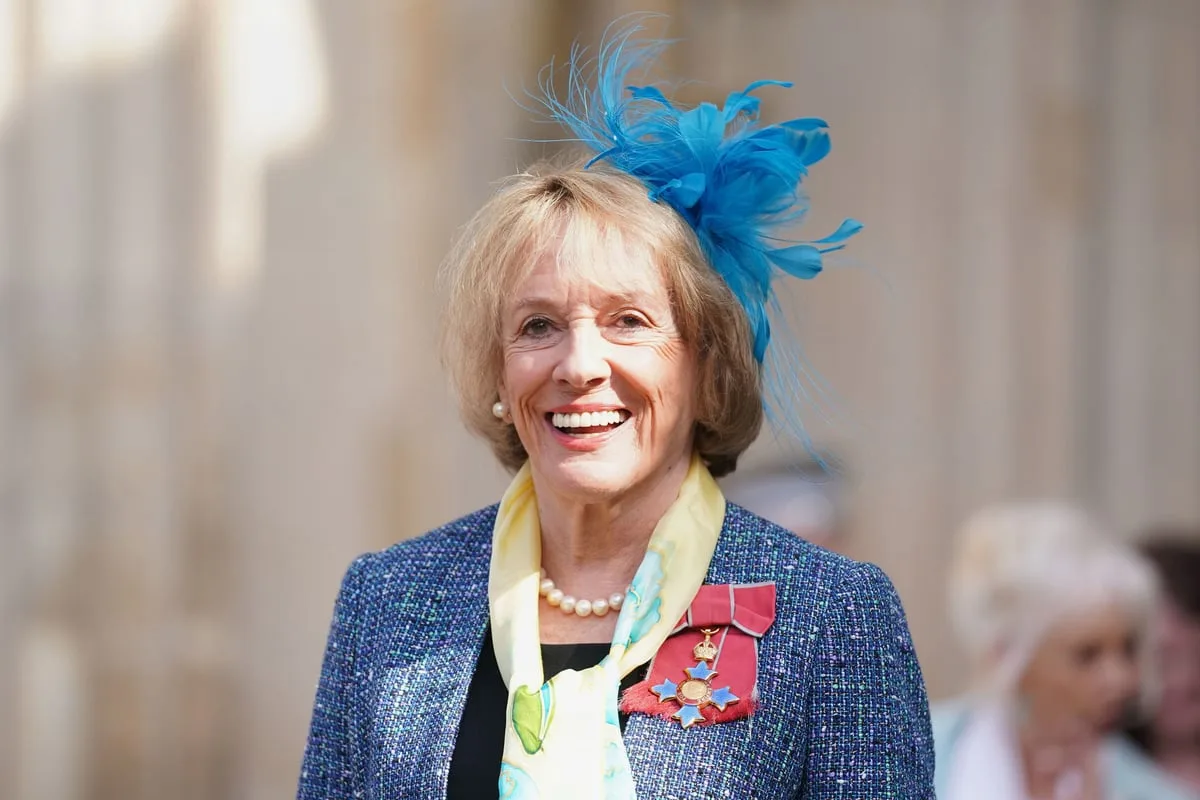
Dame Esther Rantzen has withdrawn from attending a Westminster debate on assisted dying due to her declining health. The 83-year-old broadcaster and campaigner, who has stage four lung cancer, said she is considering travelling to Switzerland for an assisted death and will watch the proceedings closely.
MPs are set to debate assisted dying on April 29 for the first time in nearly two years, following a petition backed by Dame Esther, Dignity in Dying and the Daily Express that garnered over 200,000 signatures. Dame Esther stated that while her health prevents her attendance, the debate affects her personal decision to go to Dignitas in Zurich if necessary, to spare her family from witnessing a painful death.
She argued that while palliative care in the UK can be excellent, it cannot guarantee the dignified, pain-free death that terminally ill patients hope for. She also criticised the current law, which could lead to her family being prosecuted for supporting her if she goes to Switzerland, calling it unethical and asserting that the choice should be hers.

The debate comes after legislation to introduce assisted dying for terminally ill people in Scotland was published last month at Holyrood. Liberal Democrat MSP Liam McArthur expressed confidence that the Scottish Parliament would back his bill, citing robust safeguards. However, opponents, including the Bishop of Paisley John Keenan, fear the legislation would devalue the lives of ill or disabled people.
Holyrood is expected to vote on the proposals later this year, marking the third time MSPs have considered the issue, with previous attempts overwhelmingly defeated. Similar proposals in Jersey and the Isle of Man are also set for debate in the coming months.