Former Health Chief Denies Political Pressure in Glasgow Superhospital Opening
The former health boss who oversaw the construction of Scotland's scandal-hit superhospital has ignited a fierce backlash after claiming there was 'no political pressure' to open the facility before it was fully ready. Andrew Robertson, who chaired NHS Greater Glasgow and Clyde for eight years during the critical period, has defended the governance of the project, describing it as 'pretty good'.
Families and Politicians Condemn 'Outrageous' Claims
Critics have slammed Robertson's comments as insulting to grieving families, particularly those who lost loved ones to infections linked to the hospital's environment. Last month, NHSGGC finally acknowledged a probable connection between infections in some child cancer patients and the hospital's contaminated water supply. However, health authorities have yet to accept any link between the flawed ventilation system and patient infections, or any infections occurring outside the 2016-2018 period.
Dr Sandesh Gulhane, the Scottish Conservative health spokesman, stated: 'These outrageous claims are an insult to families still grieving loved ones because of this appalling scandal. Patients have died and families have had years of being lied to by this secretive SNP government. It's long past time they were honest with them.'

SNP Government Under Fire for Alleged Misleading Statements
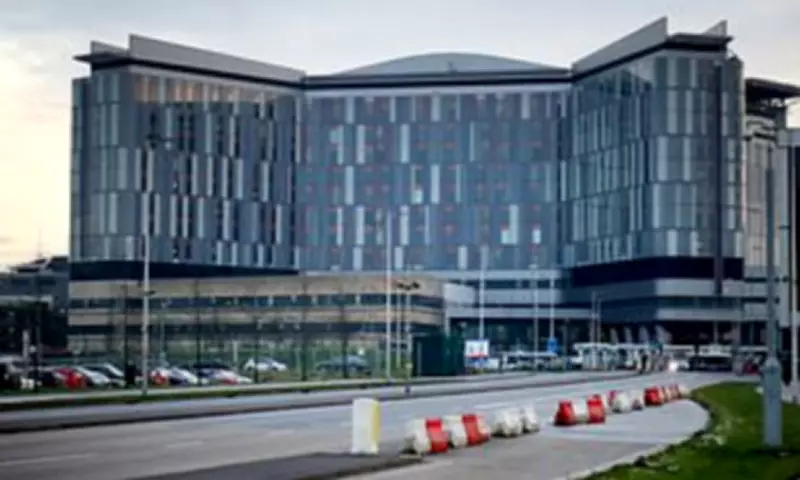
First Minister John Swinney and the SNP government face intense scrutiny, with accusations of misleading the Scottish Parliament and fabricating information when questioned about whether political pressure influenced the premature opening of the Queen Elizabeth University Hospital. The hospital began accepting patients just days before the 2015 general election, raising suspicions about the timing.
Dame Jackie Baillie, deputy leader of Scottish Labour, added: 'Comments such as these disregard the reality of what happened and the profound suffering endured by so many families affected by events at the Queen Elizabeth University Hospital. It is deeply disappointing to see greater concern for protecting reputations than for supporting those who were failed by these decisions.'
Ongoing Investigations and Inquiry into Hospital Failures
The Scottish Hospitals Inquiry, chaired by Lord Brodie, has been investigating construction issues at the QEUH campus and the Royal Hospital for Children and Young People in Edinburgh since 2019. Recently, it emerged that seven deaths at the campus are under investigation, including those of ten-year-old Milly Main and six other patients.
A Scottish Government spokesman emphasised: 'We established this Inquiry so families can get answers to their questions and the truth they deserve. It is right that Lord Brodie be given the time and space to get to the truth for families without political influence, interference or speculation on the outcome of his conclusions.'
Andrew Robertson, reflecting on the project, described it as a 'very complex, very major project' and asserted that senior figures at the time had great confidence in the systems in place. NHS Greater Glasgow and Clyde declined to comment on the matter, while the controversy continues to highlight deep-seated concerns over transparency and accountability in Scotland's healthcare governance.