The Exercise Conundrum: Why Good Intentions Fail to Become Habits
In today's fast-paced world, a significant disconnect exists between our fitness aspirations and our actual physical activity levels. A recent PureGym survey reveals that while 76 percent of British adults aspire to be fit and healthy, only three in ten people in the United Kingdom meet the recommended weekly activity guidelines. This gap highlights one of modern healthcare's most persistent puzzles: why do we struggle to turn exercise intentions into consistent routines?
The Three Barriers to Regular Exercise
Examining exercise through the lens of a detective investigation reveals three critical barriers: motive, means, and opportunity. First, individuals must possess sufficient motivation to initiate physical activity. Second, they require the time, energy, and resources necessary to participate. Third, they need a conducive environment that supports ongoing engagement. In 2026, these criteria have become increasingly difficult to satisfy due to the ongoing cost of living crisis, increasingly crowded schedules, and digital distractions specifically engineered to consume our attention.
Exercise Snacking: A Practical Solution
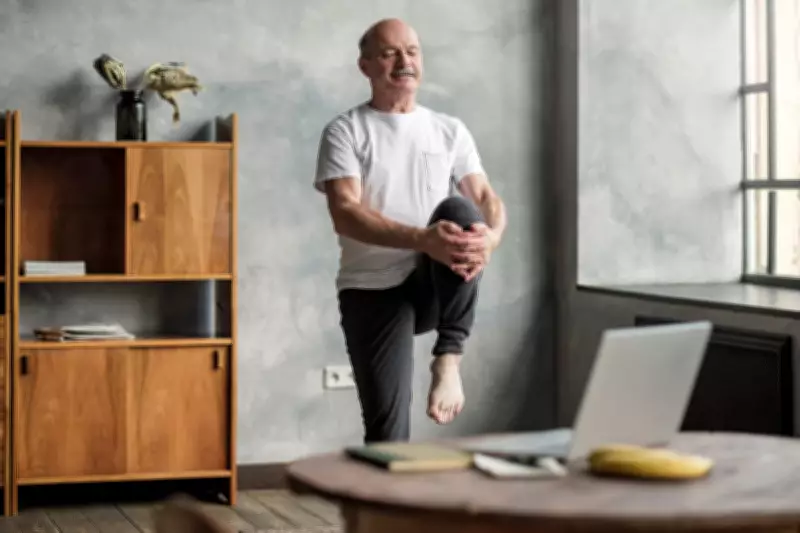
The most effective expert-backed method for overcoming these obstacles involves 'exercise snacking.' This innovative approach centers on short, equipment-free bursts of activity lasting no more than five minutes, spread throughout the day. Examples include briskly climbing several flights of stairs or performing a series of squats and press-ups at your workstation. This no-cost strategy proves more accessible than committing to lengthy gym sessions or extended runs for most individuals.

Clinical exercise physiology expert Jack McNamara from the University of East London confirms that "the concept of 'exercise snacks' has genuine research support." He emphasizes that "these snacks are most effective when they're vigorous enough to elevate heart rate meaningfully and when they're part of a broader pattern of regular physical activity." For those who cite time constraints as their primary barrier, understanding that brief, intense movement genuinely contributes to fitness can be transformative.
Measurable Health Benefits
Incorporating just three five-minute bursts of vigorous exercise daily can yield remarkable results. By week's end, this approach accumulates 105 minutes of high-intensity activity, exceeding the National Health Service guidelines of 75 minutes of vigorous exercise weekly. When combined with increased daily step counts, these small changes can substantially improve overall health.
University of Sydney researchers Professor Emmanuel Stamatakis and Dr Nicholas Koemel have demonstrated through large-scale studies that minor positive adjustments create disproportionately significant impacts on appearance, wellbeing, and physical function. Their findings indicate that for individuals with poor sleep, diet, and exercise patterns, adding just 96 seconds of daily exercise, an extra half-portion of fruits or vegetables, and 15 minutes of additional sleep can measurably enhance health and longevity.
Lowering the Participation Barrier
Professor Stamatakis explains that much of his research focuses on creating accessible pathways to better health for those who currently avoid exercise. "This group is at the highest risk of chronic disease and compromised lives," he states. "It's about giving options to the 80 or 85 percent of the population who are not keen on doing regular, structured exercise."
While structured exercise remains optimal for achieving peak fitness, Stamatakis emphasizes that "we want to lower the bar of participation and lower the bar of getting benefit from movement." For individuals who struggle to incorporate traditional workouts into their weekly routines, the threshold for making meaningful health improvements is likely far lower than commonly perceived.
In essence, if you've already established a consistent exercise habit, you're leveraging one of healthcare's most powerful tools. If you find gym sessions challenging to schedule, remember that small, manageable changes can yield substantial benefits. As the old retail slogan wisely states: "Every little helps."