Fat Jab Survey Exposes Demographic Trends and Personal Resistance
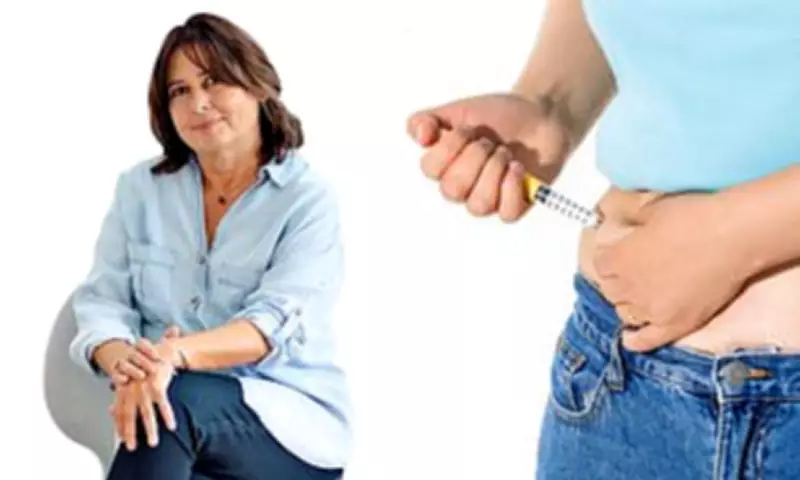
The latest survey on weight-loss injections, commonly known as "fat jabs," delivers no surprises: it confirms that the majority of these drugs are purchased by middle-class women aged between 30 and 49. Many of these users do not have a genuine medical need for weight loss but are driven by aesthetic desires. These women can afford the private monthly costs, which range from £144 to £324, allowing them to slim down without traditional diet or exercise efforts.
A Personal Stand Against the Trend
Alexandra Shulman, in her 60s, finds herself increasingly isolated among her peers as she firmly rejects these injections. While her cohort enthusiastically embraced the trend as early adopters, Shulman remains steadfast in her refusal. She recalls a conversation with a friend three years ago, when the drugs first became available privately. Her friend described injecting a "miracle drug" into her stomach to suppress hunger, resulting in a dramatic physical transformation that left her face and body appearing flattened and sharpened. This new appearance brought her friend happiness, and similar stories abound among others Shulman knows—both men and women who were never overweight but obsessed with a slimmer self-image.
Initially, using fat jabs carried an air of insider knowledge, especially with drugs like Ozempic before they became widespread and Mounjaro entered the market. Those in the know felt clever and privileged. However, Shulman notes that these injections have now become as mundane as paracetamol, losing their exclusive appeal, much like multiple ear piercings once considered cool but now ordinary.

Health Concerns Override Temptation
Shulman's resistance is not due to the trend's normalization but stems from a deeper health principle. After undergoing two cancer operations, she already takes necessary medications and is unwilling to introduce unnecessary drugs or surgeries into her body. Despite occasional frustrations when the scale doesn't budge despite her efforts to be less indulgent, she reminds herself that she is not enslaved to these drugs, whose long-term side effects remain unknown. This stance gives her a sense of smug superiority.
Cherie Blair's Flower Comment Sparks Reflection on Romance
In Channel 4's documentary The Tony Blair Story, Cherie Blair, whom Shulman views as the star, reveals that her husband of 45 years was not romantic, notably never buying her flowers. Shulman finds this comment odd for an intelligent woman, not because of the lack of romance—which might be expected—but due to the hackneyed association of flowers with love. She observes that this gesture remains popular, as seen with Valentine's Day bouquets, yet shares that her own partner of 22 years has never bought her flowers, unlike previous boyfriends who did.
One ex-boyfriend left lilies on her doorstep, making her feel as if he were visiting her grave, while her ex-husband once brought anemones and ranunculus in colors matching her flat's walls—romantic at the time, but note the "ex." Shulman concludes that while receiving flowers is nice, it has little to do with genuine love.
Film Reviews: Wuthering Heights Disappoints, The Chronology of Water Resonates
Shulman recently watched Emerald Fennell's controversial adaptation of Wuthering Heights and left the cinema feeling unexpectedly bored. Despite being a fan of Fennell's work, she found the over two hours of foggy moors, a Hollywood-blonde Cathy, and an oversized Heathcliff (played by Jacob Elordi, whom she likens to Frankenstein) tedious. She attributes her lack of emotional engagement to generational differences, feeling neither sad nor moved by the tragic tale.
In contrast, she viewed The Chronology of Water, directed and produced by Twilight actress Kristen Stewart. This film, dealing with abuse and addiction, may not appeal to everyone, but its imagery and story left a lasting impression on Shulman, unlike the noisy extravagance of Wuthering Heights, which only provoked tedium.

Wine Preferences and Personality: A Skeptical View
A survey on drinking habits suggests that those who prefer rich wines like malbec or cabernet sauvignon tend to be agreeable and open, while pinot noir and pinot grigio drinkers, like Shulman, are more prone to stress and emotional instability. Shulman dismisses this as nonsense based on her personal observations of friends' drinking habits. She speculates that since the researchers were from a Chinese university, cultural differences might influence the findings, humorously wondering if London's malbec consumption will rise with the construction of a Chinese mega-embassy.
Royal Endorsement and Sunset Envy
Shulman congratulates Laura Weir of the British Fashion Council for securing King Charles to open London Fashion Week, especially amid news of Prince Andrew's arrest just hours before the event. True to form, the King attended and appeared pleased, demonstrating reliability over flaky fashion trends.
Lastly, Shulman expresses mild irritation at receiving photos of beautiful sunsets from friends on half-term trips—vivid scenes from the Red Sea, Indian Ocean, or Atlantic. In contrast, her own environment offers no such spectacles, with waterlogged tulip pots failing to inspire the same awe.