The U.S. Food and Drug Administration has escalated its food safety protocols by issuing an urgent public health warning concerning potential norovirus contamination in specific batches of Manila clams and raw oysters. This critical alert, disseminated on Monday, March 9, 2026, directly targets restaurants and retailers across nine American states, instructing them to cease all sales and service of the affected shellfish products immediately.
Scope of the Contamination Alert
The FDA's press release explicitly identifies the recalled Manila clams as being harvested by the Lummi Indian Business Council, with harvest dates spanning from February 13 to March 3, 2026. Food businesses in Arizona, California, Florida, Georgia, Illinois, Nevada, New York, Oregon, and Washington that have purchased these clams are required to remove them from their inventories without delay.
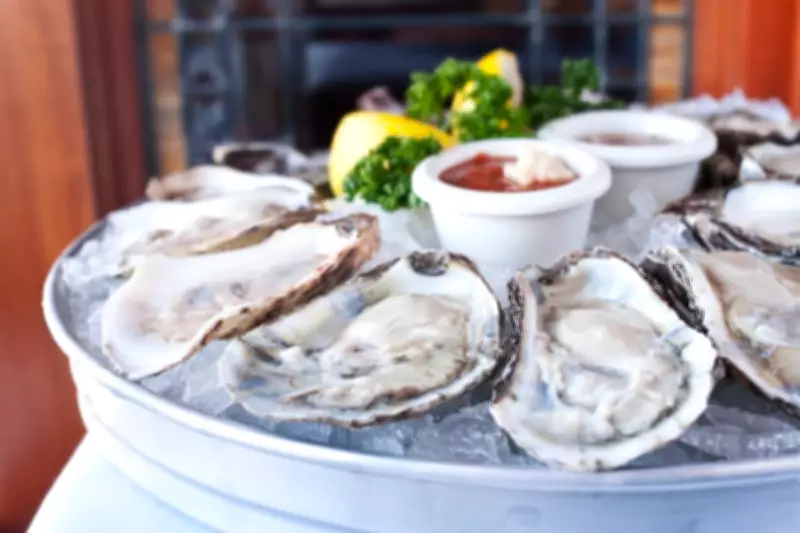
In a parallel development, consumers in Washington state are being separately advised to avoid consuming a select batch of raw oysters harvested by the Drayton Harbor Oyster Company. These oysters share the same harvest date range of February 13 to March 3, 2026, linking them to the broader contamination concern.

Current Status and FDA Actions
At this juncture, the FDA is actively gathering additional information regarding the distribution networks of both the Manila clams and the raw oysters. The agency has committed to providing full support to state authorities as investigations progress. Notably, no illnesses have been reported in connection with these shellfish products to date, but the precautionary recall remains in force as a preventive measure.
Health Risks Associated with Norovirus
Norovirus infection presents a significant public health risk, with symptoms typically including severe diarrhea, vomiting, nausea, stomach pain, fever, headache, and body aches. The onset of these symptoms generally occurs between 12 and 48 hours after exposure, with most individuals recovering within one to three days.
However, the risks are heightened for vulnerable populations. Young children, older adults, and individuals with compromised immune systems are particularly susceptible to severe dehydration and more intense illness if they consume food contaminated with norovirus. This underscores the critical importance of the FDA's warning and the recall efforts.
Context and Recent Precedents
This alert is not an isolated incident. Last month, the FDA issued similar warnings to restaurants and food retailers in multiple states concerning norovirus contamination in seafood. Those advisories specifically targeted oysters from brands such as Kusshi, Chrome Point, Stellar Bay, and Stellar Bay Gold, harvested by Stellar Bay Shellfish Ltd. from British Columbia, Canada.
The Centers for Disease Control and Prevention estimates that approximately 2,500 norovirus outbreaks are reported annually in the United States. These outbreaks commonly occur through direct contact with infected individuals, sharing of contaminated food or utensils, or exposure to contaminated water and surfaces.
Implications for Consumers and Businesses
The FDA's directive is clear: all potentially contaminated shellfish must be withdrawn from sale and not consumed. Retailers and restaurants in the affected states are expected to comply fully to prevent any potential health incidents. Consumers are advised to check the origin and harvest dates of any shellfish purchases and to dispose of any products matching the recall criteria.
As the situation develops, the FDA will continue to monitor and update the public with further information, reinforcing its role in safeguarding the nation's food supply against biological contaminants like norovirus.