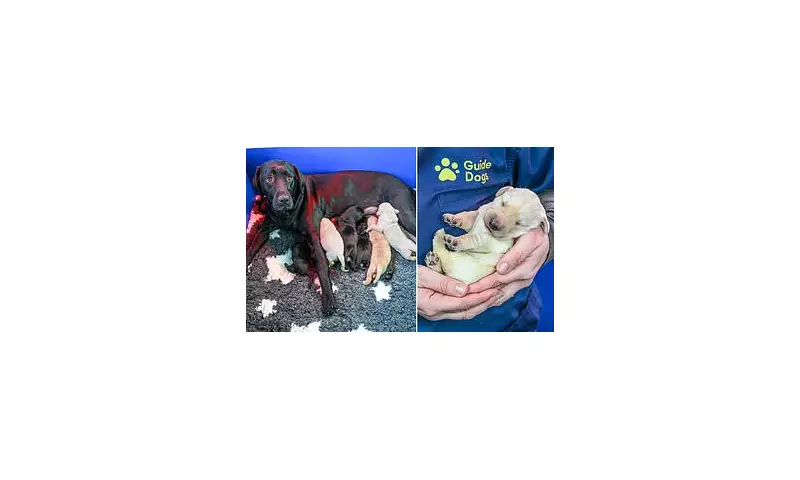
The year 2026 has begun with heartwarming news from the world of assistance animals, as the first litter of Guide Dogs puppies has been born. This initial group of ten adorable pups represents the start of what is expected to be over 1,200 guide dogs born throughout the year, each destined to potentially transform the life of someone with sight loss.
A Joyous Morning in Worcestershire
The birth took place in the early hours of January 7th at a volunteer's home near Kidderminster, Worcestershire. The delivery began at 6:40am, with the first puppy to arrive being a healthy male weighing 540 grams. In total, six boys and four girls were welcomed into the world, marking a significant milestone for the charity's breeding programme.
Meet the Proud Parents
The mother, Tabitha, is a two-year-old black Labrador who was experiencing motherhood for the first time. The father, Harris, is a five-year-old Golden Retriever with considerable experience, having sired an impressive 18 guide dog litters previously. Both parents were carefully selected by the Guide Dogs breeding programme for their exemplary health, intelligence, and loving temperaments.

The puppies exhibit a charming mix of colours inherited from their parents, with half of the litter being black like their mother and the other half displaying the golden yellow hue of their father. This visual diversity is matched by the genetic benefits of the crossbreed, which combines the best traits of both Labrador and Golden Retriever breeds.
The 'Best of Both' Crossbreed Advantage
Janine Dixon, breeding and welfare operations lead at Guide Dogs, explained the significance of this particular breeding combination. 'A combination of Labrador and Golden Retriever creates what we call a 'best of both' for guide dog work,' she noted. 'These crossbreeds are renowned for their outstanding intelligence, genuine love of work, and excellent temperament - all crucial qualities for successful assistance dogs.'
The puppies are currently awaiting their names, which will be assigned in the coming weeks as they begin their remarkable journey toward qualification.
The Puppies' Journey Ahead
These ten puppies live year-round with families who have volunteered as Guide Dogs Breeding Dog Volunteers, providing them with a stable, loving home environment from the very beginning. At approximately eight weeks old, they will leave their mother to undergo essential procedures including vaccination, microchipping, and comprehensive health checks.
Following these initial steps, the puppies will be placed with volunteer Puppy Raisers located throughout the United Kingdom. These dedicated individuals will nurture and socialise the young dogs during their formative months, preparing them for the specialised training they will receive later.
Meeting a Growing Need
Guide Dogs has an annual target of breeding between 1,200 and 1,300 puppies to address the increasing demand for guide dogs across the country. This substantial breeding programme requires extensive support from volunteers at every stage of the process.
Janine Dixon emphasised the crucial role volunteers play in this life-changing work. 'A lot of hard work goes on behind the scenes, particularly from our wonderful volunteers who play such an integral part in the lives of our guide dog puppies,' she said. 'It's an incredibly rewarding role raising a tiny pup into a confident young adult, ready for training to become a life-changing guide dog for someone with sight loss.'
Call for More Volunteers
To sustain and expand their vital work, Guide Dogs is actively seeking additional volunteers to help raise these puppies and guide them along their path to qualification. The charity relies on this network of dedicated individuals to ensure each puppy receives the care, training, and socialization necessary to become a successful assistance dog.
These ten puppies born in Worcestershire represent not just the first litter of 2026, but the beginning of countless future partnerships between guide dogs and the people whose independence they will enhance. Their journey from vulnerable newborns to qualified assistance animals by 2027 will be watched with great anticipation and affection by all involved in their development.