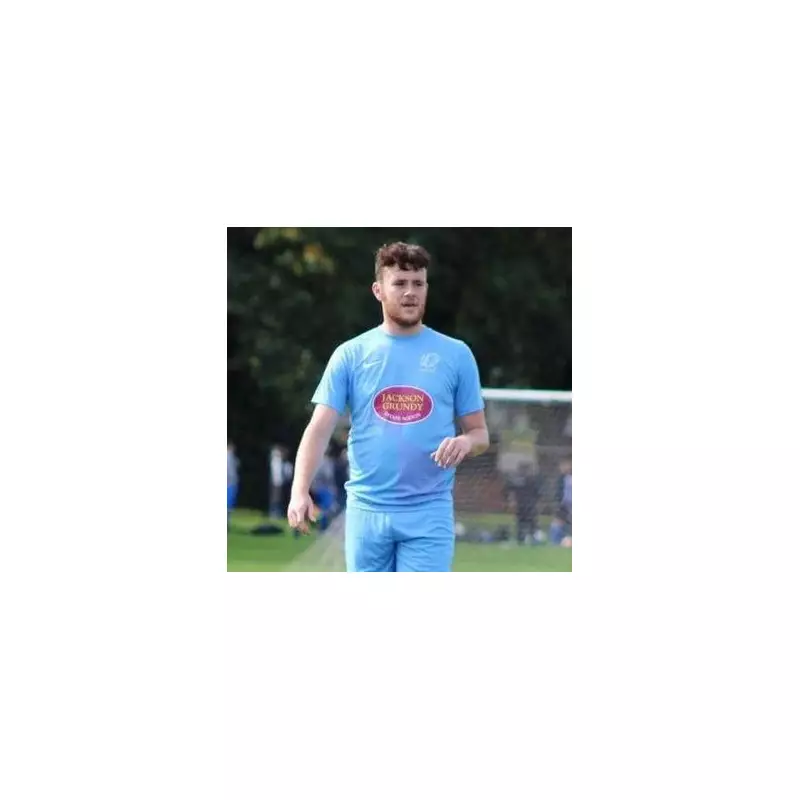
Coroner Identifies Missed Opportunity in Footballer's Tragic Death from Flesh-Eating Disease
A coroner has concluded that ambulance crews missed a critical opportunity to take a young footballer to hospital before he later died from a devastating flesh-eating infection. The inquest into the death of 20-year-old Luke Abrahams heard how a series of medical assessments failed to recognise the severity of his condition until it was too late.
Timeline of a Tragedy
Luke Abrahams, a fit and active railway engineer who played football regularly, first complained of a sore throat in January 2023. His GP prescribed antibiotics for suspected tonsillitis, but his condition deteriorated rapidly. Within days, he developed excruciating leg pain that left him unable to walk.
An out-of-hours doctor diagnosed sciatica during a video consultation on January 20th, but just twelve hours later, his family called 999 as Luke's pain became unbearable. Despite his obvious distress, paramedics who attended decided he did not require hospital admission.

Critical Red Flags Overlooked
The inquest at The Guildhall in Northampton heard compelling evidence about multiple warning signs that were either missed or inadequately considered. Susan Jevons, Head of Patient Safety at East Midlands Ambulance Service (EMAS), stated unequivocally that Luke should have been transferred to hospital on January 20th and should not have been discharged at home.
"The crew concentrated on sciatica and didn't adequately consider infection, despite numerous red flags," Ms Jevons told the hearing. These included:
- An elevated temperature indicating possible infection
- Blood glucose levels measuring 16 (with 17 representing the threshold for automatic A&E referral)
- Pain scores that should have triggered immediate hospital admission
Ms Jevons emphasized that Luke's blood sugar reading was particularly significant, noting: "The blood sugar stood out the most for me. There was no reason his blood sugar levels should have been that high." Luke was not diabetic, making this finding especially concerning.
Systemic Failures in Assessment
The coroner's investigation revealed concerning gaps in clinical assessment protocols. Despite reporting pain at level nine on the scale (which typically places patients in the "red" category requiring immediate hospital admission), Luke was classified as "amber" and this assessment went unchallenged.
Ms Jevons criticized over-reliance on warning scores alone, stating: "You should look at your patient – what is your patient telling you?" She added that there "wasn't enough evidence to say he just had sciatica" given the constellation of symptoms presented.
Final Days and Post-Mortem Findings
Two days after being sent home by paramedics, Luke was finally rushed to hospital saying he "could not take the pain any longer." He died the following day on January 23, 2023. A post-mortem examination revealed he had been suffering from:
- Septicaemia (blood poisoning)
- Lemierre syndrome – a rare form of bacterial infection
- Necrotising fasciitis – the flesh-eating disease
Coroner's Conclusions and Service Response
Assistant Coroner Sophie Lomas stated that surgical intervention 24 hours earlier "can make a difference" in such cases, though she could not definitively say whether earlier hospital conveyance would have prevented Luke's death. His death had initially been recorded as natural causes without an inquest being opened, prompting his parents Richard Abrahams and Julie Needham to campaign for a formal investigation.
Following the four-day inquest, Keeley Sheldon, director of quality at EMAS, issued a public apology: "I am deeply sorry that we missed the opportunity to take Luke to hospital on 20 January 2023. We failed to provide the level of care he deserved. My condolences are with Luke's family and all who loved him, particularly today on the third anniversary of his tragic death."
Changes Implemented After Investigation
The case has prompted significant changes within the ambulance service. Ms Jevons confirmed that additional training has been implemented, including refresher courses focusing on:

- Sepsis recognition and management
- Lemierre's syndrome identification
- Necrotising fasciitis awareness
Meanwhile, the out-of-hours GP who diagnosed sciatica during the video consultation maintained that he hadn't spotted any "red flag" symptoms during his assessment. Luke's parents continue to believe that a "catalogue of errors" contributed to their son's preventable death, highlighting systemic issues in emergency medical response and assessment protocols.