Four NHS hospital trusts in England have been forced to declare critical incidents as a combination of surging winter viruses and rising staff sickness pushes emergency services to the brink. The highest alert level has been activated at three trusts in Surrey and one in Kent following what officials describe as 'exceptionally high demand' in Accident and Emergency departments.
What Triggered the Critical Incidents?
The declarations come after leading doctors warned last week that the 'worst is far from over' for the health service this winter. After a brief two-week dip, cases of flu and other seasonal illnesses have begun to climb again. The situation has been exacerbated by a troublesome mutant flu strain, known as subclade K or 'super flu', which evolved over the summer and is thought to more severely affect the elderly and vulnerable.
Last week, total NHS bed occupancy in England was around 92 per cent, with more than 2,940 beds occupied by flu patients alone. The recent cold snap has worsened conditions, leading to more injuries from slips and falls and pushing some trusts to full capacity. For the Surrey trusts – Royal Surrey NHS Foundation Trust, Epsom and St Helier University Hospitals NHS Trust, and Surrey and Sussex Healthcare NHS Trust – the crisis has been driven by increases in both flu and norovirus cases alongside a spike in staff absences.

Impact on Patients and Services
Declaring a critical incident allows trusts to take extraordinary measures to focus on the most urgent care. Dr Charlotte Canniff, joint chief medical officer of NHS Surrey Heartlands, explained that this unfortunately means some non-urgent operations, treatments, and outpatient appointments will be rescheduled to free up resources. She stressed that cancer care and other most urgent operations continue to be prioritised, and patients should attend appointments unless contacted directly.
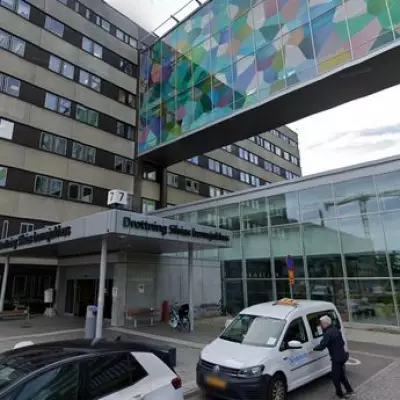
The East Kent Hospitals University NHS Foundation Trust also announced a critical incident due to 'sustained pressures and rising demand' at the Queen Elizabeth The Queen Mother Hospital in Margate. A spokesperson said hospitals were facing exceptionally high demand driven by a high admission rate and a large number of patients with winter illnesses.
A Wider National Picture of Pressure
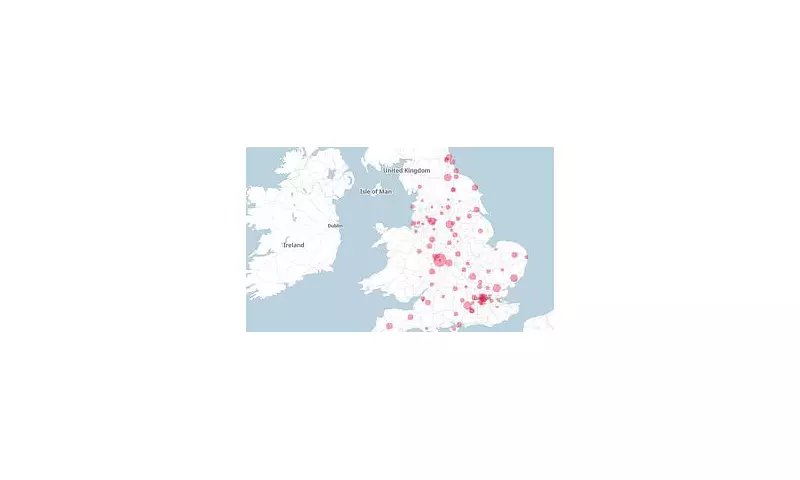
This crisis is not isolated to the South East. In recent days, critical incidents have also been declared in Birmingham, Staffordshire, and two areas of Wales. The Aneurin Bevan University Health Board in south east Wales reported sustained pressure after a significant rise in norovirus cases across Gwent.
The surge in illnesses is having a direct impact on NHS staff, with flu driving up absence levels. Before Christmas, staff absences were up by over 1,100 in a week. This staff shortage compounds the problems caused by high patient numbers, leading to increased use of so-called 'corridor care'. The Health Services Safety Investigation Body (HSSIB) has warned that treating patients in corridors is becoming common, raising risks of infection and making monitoring difficult.
Dr Vicky Price, president of the Society for Acute Medicine, expressed grave concern, stating there are 'people dying as a direct consequence of the situation'. Experts believe festive gatherings may have caused a 'bounce back' in the spread of viruses after numbers had begun to fall before Christmas, setting the stage for a profoundly challenging start to the new year for the NHS.