Gemma Atkinson Shares Harrowing Sleep Paralysis Experience with Podcast Listeners
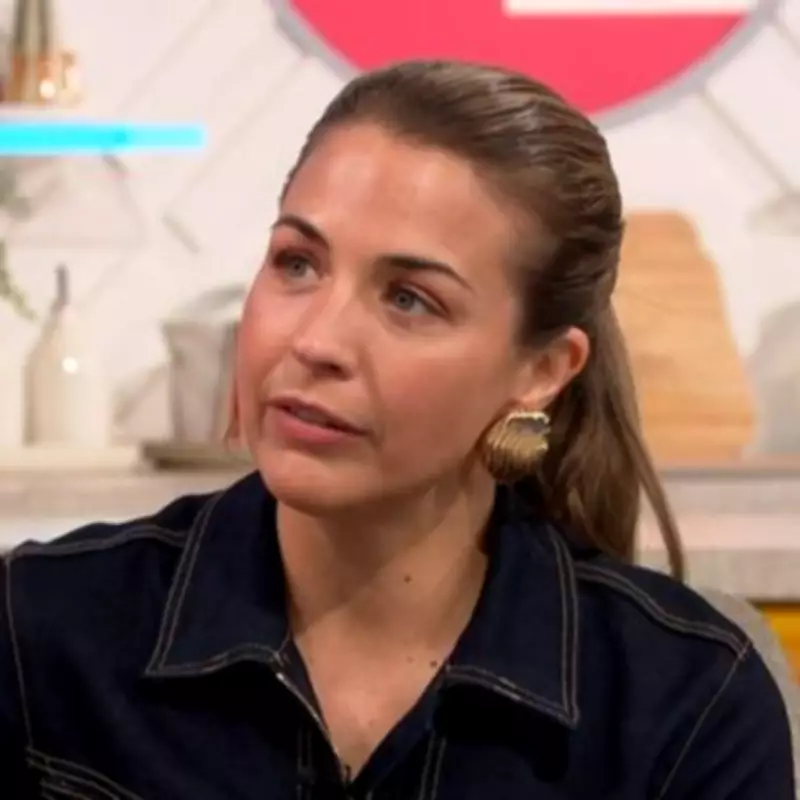
Strictly Come Dancing personality Gemma Atkinson has revealed the "terrifying" reality of living with sleep paralysis, describing a recent episode that left her fiancé Gorka Márquez deeply concerned. The couple discussed the frightening incident during their latest Lost In Translation podcast episode, providing listeners with a raw account of the neurological phenomenon.
"Fighting for My Life" Moment in Bed
Márquez recounted being abruptly awakened around 3am by Atkinson's desperate screams. "I woke up because I heard, 'Ah, help me, someone is on top of me!'" he revealed. The professional dancer described his immediate concern and confusion, asking if she was okay while witnessing her continued distress.
Atkinson, 41, recalled with laughter how Márquez responded to her panic. "He went to me, 'Do you want me to hug you?' That's what he asked me. I was like, 'No!'" she explained. "As if you'd ask me that in a moment of terror! I don't like being hugged in day-to-day life, and when I'm fighting for my life, it's the last thing I want."

The Science Behind Sleep Paralysis
Atkinson detailed the experience for listeners who might be unfamiliar with the condition. "It's that bit of sleep where your body is waking up but your mind isn't," she described. "You're fully conscious, but you cannot move or make a sound. You're lying there screaming at the top of your voice, but nothing comes out. And you feel like something or someone is sitting on top of you."
According to NHS guidelines, sleep paralysis occurs during transitions between wakefulness and sleep, when individuals find themselves temporarily unable to move or speak. While frightening, the condition is generally harmless, with most people experiencing it only once or twice in their lifetime.
Hallucinations and Sensory Experiences
The actress described particularly vivid hallucinations during her episode. "I saw a black figure with red eyes looming over me, but couldn't physically move," she shared. "I was screaming, but nothing was coming out - until it did. I could feel the covers moving, then grabbed my crystal on the side and begged for it to stop."
Common symptoms during sleep paralysis episodes include:
- Feeling awake but unable to move, speak, or open eyes
- Sensing a presence in the room
- Experiencing pressure pushing down on the body
- Intense fear and anxiety
- Episodes lasting several minutes
Medical Context and Prevalence
The NHS notes that while causes aren't fully understood, sleep paralysis may be linked to several factors:
- Insomnia and disrupted sleep patterns
- Panic disorder and anxiety conditions
- Narcolepsy and other sleep disorders
- Post-traumatic stress disorder (PTSD)
Atkinson revealed she first experienced sleep paralysis as a child and has had occasional episodes throughout her life. The condition reportedly affects approximately eight percent of the population, though many cases go unreported due to fear or misunderstanding.
Celebrity Experiences with Sleep Disorders
Atkinson isn't alone among public figures discussing sleep paralysis. This Morning presenter Josie Gibson has previously opened up about her own experiences with the condition. "I do get really weird dreams. I get sleep paralysis which is even weirder," Gibson shared. "If anybody knows about sleep paralysis, you cannot move. You're awake but you're still asleep. You think you're awake but you cannot move."
Gibson has consulted medical professionals about her symptoms, which have left her visibly shaken and sleep-deprived on occasion. Her willingness to discuss the condition publicly has helped raise awareness about this relatively common but poorly understood sleep phenomenon.
Atkinson concluded her podcast discussion by emphasizing the importance of understanding sleep disorders and reducing stigma around discussing mental health and neurological conditions. Her candid account provides valuable insight into an experience that affects millions but remains largely misunderstood by the general public.