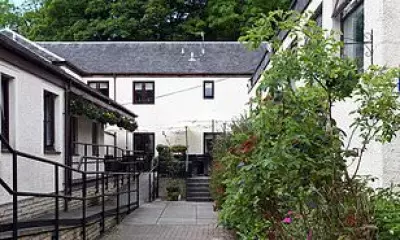
A flagship £1 billion Scottish superhospital, opened with promises of world-class care, has been at the centre of a devastating scandal involving contaminated water, fatal infections, and a years-long cover-up by health officials.
A Decade of Denial and Deadly Consequences
Health board bosses have finally admitted that dirty water at Glasgow's Queen Elizabeth University Hospital (QEUH) caused serious infections in young cancer patients. This admission comes after six years of officials denying any link between the hospital's water system and a spate of illnesses.
The human cost was tragic: two children died, including ten-year-old Milly Main, and at least 84 other patients fell ill with infections linked to the contamination. The scandal first emerged in 2015, the same year former First Minister Nicola Sturgeon opened the hospital, but it has taken a full decade for the truth to be forced into the open.

Culture of Secrecy and Snooping
The public inquiry, which began in 2020 and has so far cost taxpayers £31 million, has exposed a corrosive culture of secrecy. Health chiefs conceded they mistreated whistleblowers they had previously criticised. In a particularly egregious act, they admitted to secretly monitoring social media posts about the water contamination.
A private firm, Meltwater, was paid £15,000 to carry out 'social listening', targeting three unidentified staff and a critical widow of a patient. Former Health Secretary Jeane Freeman, who ordered the inquiry, stated that board bosses in Glasgow took a 'nothing to see here' approach, a stance critics say mirrored that of the SNP government overseeing them.
Broken Trust and Systemic Failure
The fallout has shattered public trust. Campaigners like Louise Slorance, whose husband Andrew died at the QEUH after catching Covid, have been instrumental in uncovering the truth. She claims details about him contracting a potentially deadly fungal infection were kept from his family.
Internal messages revealed during the Covid inquiry showed a shocking disconnect. Ms Sturgeon's then chief of staff, Liz Lloyd, wrote in 2020 of wanting "a good old-fashioned rammy" to think about something "other than sick people." Meanwhile, the government was accused of being more focused on constitutional battles than patient safety.
The scandal's repercussions extend beyond Glasgow. NHS Tayside was revealed to have destroyed theatre logbooks related to rogue surgeon Sam Eljamel, despite a 'do not destroy' order, suggesting a wider pattern of obfuscation within the Scottish health service.
An Unending Cycle of Blame?
Despite the damning findings, no senior figures at the health board or within the Scottish Government have lost their positions. The inquiry has highlighted a complete absence of accountability after nearly 20 years of SNP governance.
The gap between the rhetoric of a 'world-class' facility and the reality of a hospital that poisoned its patients is vast. As Louise Slorance concluded, not only was her husband failed, but "our systems have failed Scotland." With learning lost each day, campaigners warn more people remain at risk until the culture of secrecy and denial is finally rooted out.