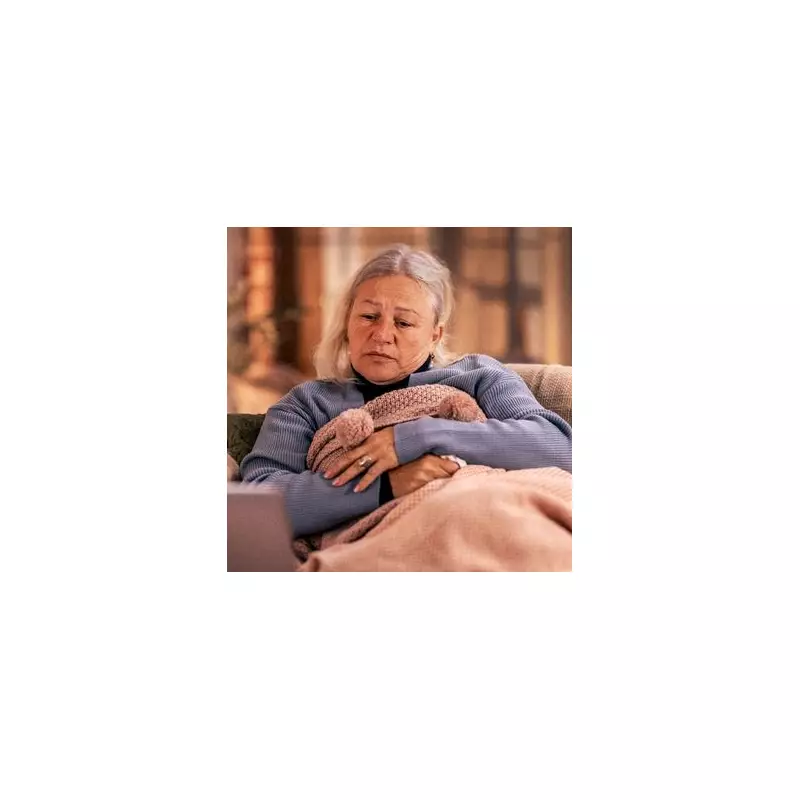
A prominent television doctor has issued a clear and practical piece of advice to help households across the UK stay healthy, sleep better, and manage energy costs during the colder months.
The Simple 2C Rule for Your Home
Doctor Punam Krishan, a GP and health expert working with Stannah, the stairlift and home lift company, recommends following a specific temperature guideline. Her advice is to maintain your bedroom at a temperature that is two degrees Celsius cooler than the rest of your living space.
This deliberate temperature difference acts as a signal to your body, helping to initiate the natural wind-down process required for restful sleep. Furthermore, a cooler sleeping environment can help prevent dehydration, which is a common risk in overheated rooms.

Ideal Temperatures for Health and Comfort
Dr Krishan provides specific figures to aim for. She states that the general living areas of your home should be heated to a minimum of 20C, particularly if there are older residents. This baseline helps to keep core body temperature regulated at a safe and comfortable level.
However, the bedroom is the exception to this rule. "In this room, 18C is advised as the minimum to support the natural drop in our body’s temperature when we sleep," she explains. This cooler setting complements the body's own nocturnal cooling process, which is part of its essential rest and repair cycle.
"This temperature is cool enough to support good quality sleep but is still warm enough to remain safe and comfortable as it's complemented by additional bedding," Dr Krishan adds.
Risks of Overheating and Special Advice for Older People
Ignoring this guidance can have negative consequences. A bedroom that is too warm can disrupt natural sleep rhythms, leading to restless nights and subsequent daytime fatigue. Prolonged exposure to excessive heat can also be dehydrating, impacting overall wellbeing.
The GP places special emphasis on the needs of older individuals. "As we age, our ability to regulate our body temperature declines," she notes. This means older people can lose body heat faster and may not feel the cold until their core temperature is already dangerously low, a situation that can precipitate cardiovascular issues.
Cold environments also cause muscles and joints to stiffen, increasing the risk of falls. Dr Krishan strongly advises people to check on older loved ones to ensure their homes are kept at a consistently safe and comfortable temperature.
This expert advice is supported by official health guidance. NHS England recommends heating your home to at least 18C, particularly in living rooms. The stark reality of cold homes is highlighted by statistics from the Institute of Health Equity, which suggest 21.5 per cent of excess winter deaths are attributable to living in a cold house.
By following the simple 2C rule, Britons can take a proactive step towards safeguarding their health, improving their sleep, and potentially reducing heating expenditure during the winter season.